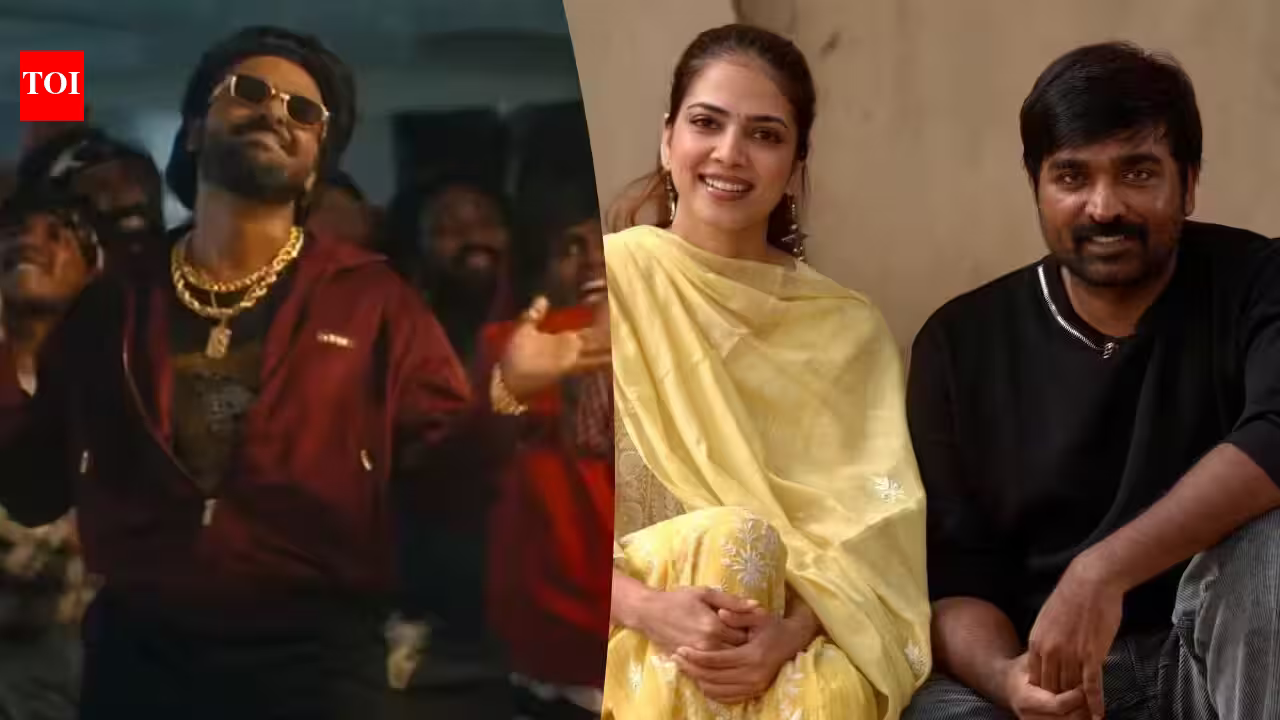



The weight of expectation is a heavy burden, particularly when your surname is synonymous with the absolute pinnacle of Tamil cinema. When it was announced that Jason Sanjay, son of the legendary Thalapathy Vijay, would be making his directorial debut with the heist-action thriller Sigma, the industry held its breath. Would he follow the footsteps of his father, or carve out a niche entirely his own? Now that the film has made its jump from the theatrical circuit to the global stage of Netflix, the dust has finally begun to settle. The verdict? It’s a polarized affair that highlights the precarious gap between high-concept ambition and narrative execution.
The Weight of the Name and the Heist Genre Challenge
Entering the world of filmmaking under the watchful gaze of a massive fanbase is a daunting prospect. Jason Sanjay’s Sigma arrived with a cocktail of curiosity and skepticism. For many, this was a litmus test—a chance to see if the directorial flair ran in the family bloodline.
The heist genre is notoriously unforgiving. It requires a razor-sharp script, a logical progression of “how-to-do-it” beats, and a pacing that balances tension with character development. Sigma attempts this by grounding its heist in a relatable, emotional premise: Guru, a struggling librarian, finds himself entangled in a high-stakes gamble to steal a massive fortune from a dangerous syndicate. While the elevator pitch is solid—an underdog battling a gambling gang—the execution has left many viewers feeling that the film’s narrative engine ran out of fuel well before the climax.
Sundeep Kishan: The Anchor in the Storm
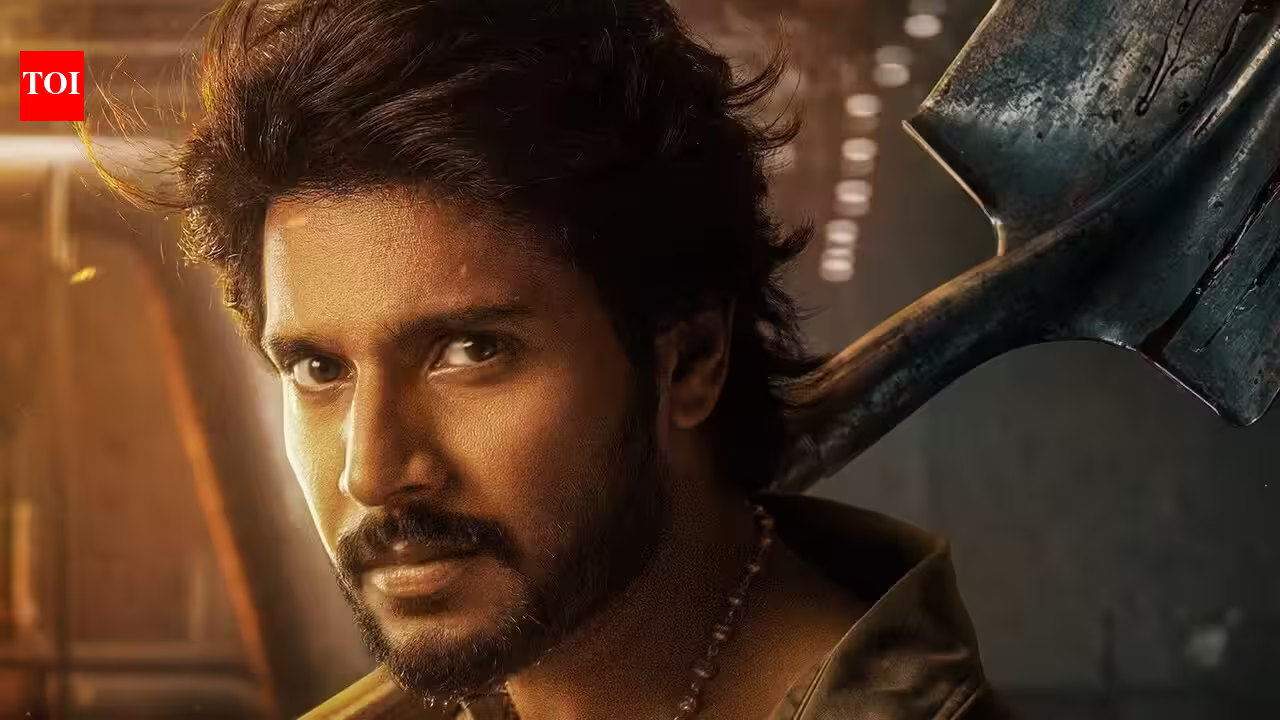
If there is one aspect of the film that has emerged unscathed, and perhaps even bolstered, it is the performance of Sundeep Kishan. In a landscape where young leads often struggle to carry the weight of an entire production, Kishan proves once again why he is one of the most reliable actors in the industry.
Viewers who might have panned the direction have, in the same breath, lauded Kishan’s screen presence. His ability to balance the grit of the heist sequences with moments of levity—a task made easier by the presence of comic powerhouse Yogi Babu—is a testament to his versatility. Audience sentiment on social media has consistently highlighted him as the film’s “biggest asset.” When the plot gets muddled or the pacing hits a slump, it is Kishan’s charisma that keeps the viewer from clicking the ‘stop’ button. He brings an earnestness to the role of the reluctant thief that elevates the character of Guru from a generic protagonist to something with heart.
Screenplay Hurdles and Pacing Issues
Despite the visual gloss provided by cinematographer Krishnan Vasant, Sigma has faced significant criticism regarding its foundation: the screenplay. A common refrain among the online discourse is that the film looks like a million bucks but fails to provide enough substance to sustain interest.
Critics and casual viewers alike have pointed to “underdeveloped characters” and “forced comedy” as the primary culprits. In a heist film, the mechanics of the plot—the planning, the heist, and the escape—are the main event. When those mechanics feel hollow or overly convenient, the audience loses its tether to the story. Several viewers have noted that the narration, while ambitious, struggled to hold their attention across the runtime. For a debutant director, navigating the delicate balance between maintaining a high-octane heist atmosphere and emotional storytelling is a monumental task, and the feedback suggests that Sigma tipped too far into style at the expense of necessary narrative depth.
The Visuals and Music: A Technical Competence
It would be unfair to discuss Sigma without acknowledging its technical merits. The film is aesthetically pleasing, clearly benefitting from a production design that leans into the genre’s typical dark, moody palette. The collaboration with music director Thaman S is another point worth noting. Thaman is a composer who understands the cadence of commercial Tamil cinema, and his contribution to the film’s sonic landscape provides a rhythmic drive that occasionally masks the inconsistencies in the writing.
However, the question remains: can visuals and a thumping score carry a film when the script feels thin? For a digital-first audience, which has access to the best thrillers from around the world at the touch of a button, the standard for “engaging” has risen significantly. The mixed reactions to Sigma on Netflix underscore a shift in viewer expectation. Today’s audiences are less swayed by the prestige of a family name and more focused on the integrity of the story itself.
Assessing the Future of Jason Sanjay
Does the lukewarm reception to Sigma spell disaster for Jason Sanjay? Hardly. Many of the greatest directors in world cinema started with works that were messy, uneven, or over-ambitious. The fact that the film has reached a massive platform like Netflix means it will be analyzed and critiqued by a diverse array of viewers, providing a valuable learning curve for the young filmmaker.
The “mixed” reception is, in many ways, an opportunity. It is a clear roadmap of what worked—the casting, the visual ambition, the genre selection—and what didn’t—the narrative pacing and script development. For Jason Sanjay, the transition to his next project will be defined by his ability to digest this feedback. He has proven he can assemble a talented cast and create a polished visual product. Now, the challenge for his sophomore effort will be to ensure that the script carries as much punch as his father’s performances have done for decades.
Ultimately, Sigma will be remembered as a bold first swing. It was an ambitious attempt at a genre that demands perfection, and while it may not have hit the bullseye, it has certainly kept the conversation centered on the potential of a new name in the industry. Whether this is just a bumpy start to a long career or a learning moment, one thing is certain: all eyes remain on Jason Sanjay to see what he does next.
Disclaimer: This content is auto-generated for informational purposes only.
Source: Read Original News