






Government Blocks Access to Global Opposition Democracy Summit
The Indian government has restricted access to a virtual international summit focused on democracy, preventing over 100 speakers—including prominent opposition leaders, activists, and international scholars—from participating in the online event. The summit, which aimed to facilitate a global dialogue on the health of democratic institutions, faced significant technical disruptions across Indian networks, effectively silencing domestic voices intended to participate in the panel discussions.
Organizers of the event, which features participants from across the globe, confirmed that access to the platform was throttled or completely blocked for users attempting to log in from Indian IP addresses. This move has drawn sharp criticism from civil society organizations and political analysts, who view the interference as a significant escalation in the state’s efforts to control digital discourse and restrict dissent.
Digital Blackout and Censorship Concerns
Technical experts monitoring the situation indicated that the blocking appeared to be a targeted effort by local internet service providers, acting under directives to restrict connectivity to specific domains associated with the summit. While the Ministry of Electronics and Information Technology has not issued a formal statement regarding the specific blockade, the incident follows a broader pattern of “digital sovereignty” measures that have seen the government frequently utilize emergency powers to curb online content it deems unfavorable.
The list of those effectively sidelined by the measures includes several opposition lawmakers, human rights lawyers, and journalists who were scheduled to discuss the erosion of press freedom and the independence of judicial systems. By preventing these voices from engaging with their international counterparts, the government has intensified anxieties regarding the state of democratic space in India.
A Global Debate on Democratic Health
The summit was designed to be a collaborative space for international actors to exchange strategies for strengthening democratic safeguards in an era of rising populism. With representatives from nations grappling with democratic backsliding, the event was intended to foster solidarity among activists. The government’s intervention has now transformed the event into a case study of the very issues it sought to address: the susceptibility of the internet to authoritarian control.
“The inability to participate in a global democratic forum highlights the very challenges that were meant to be discussed,” said a representative for the summit organizing committee. “By choosing to block the event, the administration has inadvertently validated the core concerns of the participants regarding the state of digital transparency and freedom of expression in the country.”
Mounting Political Fallout
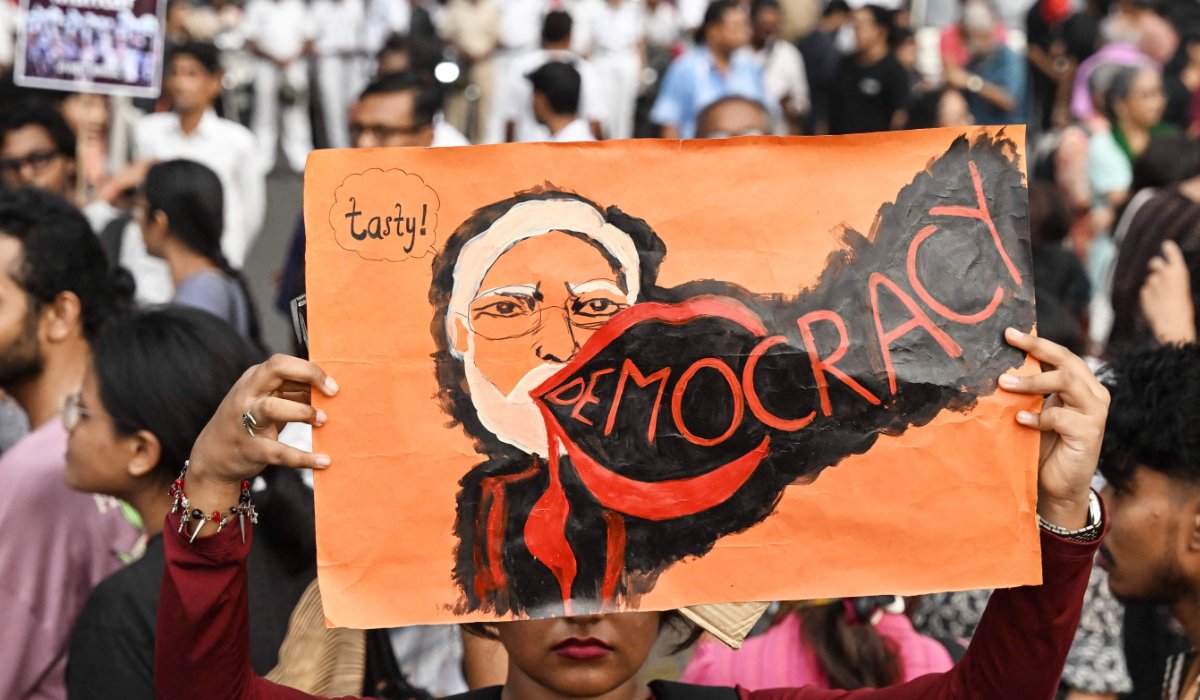
Opposition leaders have condemned the action as an attack on democratic rights, labeling the blockade as “state-sponsored silencing.” In a statement issued on social media, various political figures asserted that the government is increasingly anxious about international scrutiny of its domestic policies. They argued that such measures undermine India’s reputation as the world’s largest democracy and isolate the nation from global discussions on human rights and constitutional integrity.
As the situation develops, digital rights advocates are calling for greater transparency regarding the legal instruments used to facilitate such blocks. With general discourse moving increasingly toward digital platforms, the ability of a government to switch off connectivity to global discussions raises critical questions about the future of civic participation in India. For now, the block remains in place, leaving a significant portion of the Indian public unable to engage with an international dialogue that they were, until recently, an integral part of.
Disclaimer: This content is auto-generated for informational purposes only.
Source: Read Original News