








Election Commission’s SC Affidavit Faces Scrutiny Over Internal Governance
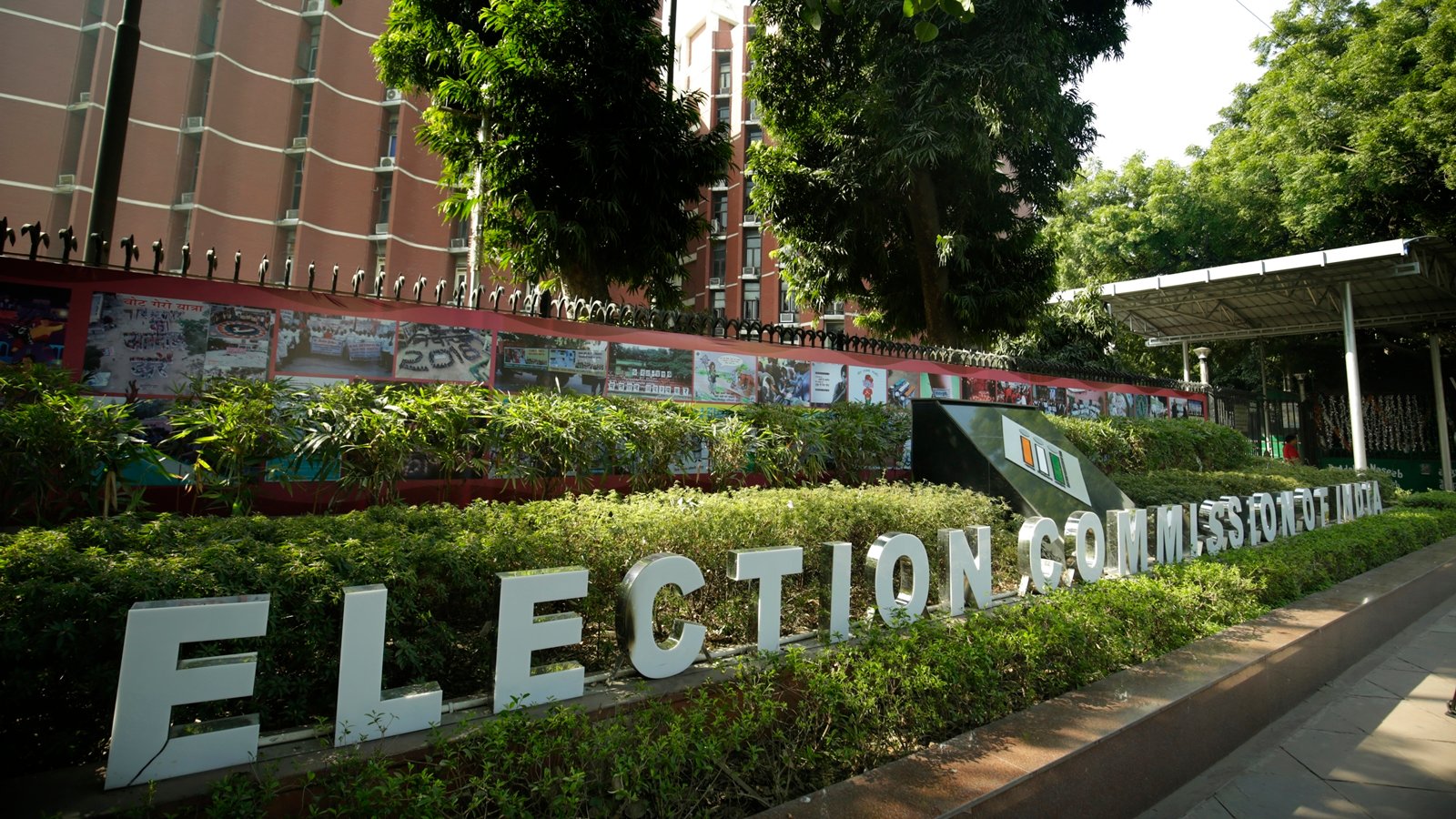
The Election Commission of India (ECI) has submitted an affidavit to the Supreme Court, positioning itself as a body that operates through consensus. Filed with the unanimous approval of its three members, the document attempts to frame the recent controversies surrounding the Special Intensive Revision (SIR) of electoral rolls as part of a standard consultative process. However, the affidavit leaves critical questions unanswered regarding the Commission’s internal functioning and the lack of communication between its members.
The Gap Between Consultation and Execution
The central tension arises from documented objections raised by Election Commissioners Sukhbir Singh Sandhu and Vivek Joshi. Between April and August of this year, the two commissioners recorded 14 separate notes expressing concern over major decisions, software implementations, and administrative actions taken without their knowledge. While the ECI claims these notes were part of a deliberative process, the records indicate that in most instances, these objections were written after the decisions had already been implemented or orders had been issued.
The petition before the Supreme Court argues that the fundamental issue is not whether the Commission eventually ratified these actions, but whether its individual members were effectively sidelined from the decision-making loop.
The Form 6 Controversy
A prominent example of this disconnect involves Form 6, the statutory document used by citizens to register for electoral rolls. In May, commissioners Joshi and Sandhu warned that the online version of the form could not be legally modified without an amendment to the Registration of Electors Rules, 1960. Despite this, a modified version appeared online in July.
In its affidavit, the ECI admits that the online implementation of the declaration could be interpreted as an unauthorized amendment and acknowledges that corrective measures were necessary. While the Commission has now moved to separate the statutory form from the SIR declaration, the affidavit remains silent on who authorized the July implementation in defiance of the commissioners’ written warnings.
Questions of Technology and Transparency
Disputes surrounding ECINet, the digital platform for electoral roll management, highlight further procedural lapses. The ECI’s affidavit outlines new oversight mechanisms, including a committee involving experts from IIT Mumbai and IISc Bengaluru. Significantly, these measures mirror recommendations proposed by Commissioner Joshi in May—proposals that the affidavit fails to credit to the internal consultation process.
The affidavit also sidesteps the operational failures reported by field officers. Records from earlier this year show that EROs in Goa were unable to reverse electoral roll deletions due to system-wide technical blocks, despite urgent requests. The Commission’s assertion that the ERO remains the statutory authority does little to address why the software prevented these officials from exercising their legal mandates at the time.
Accountability in West Bengal and Beyond
The affidavit also addresses the mass filing of appeals against voter restorations in West Bengal. While the Commission claims these actions were taken by state-level officers under Supreme Court directives, it does not reconcile this with notes from commissioners who were entirely unaware of these filings. Commissioner Sandhu explicitly noted that even the state’s Chief Electoral Officer appeared to lack details regarding these appeals.
As the Supreme Court weighs the ECI’s latest filing, the core concern remains unresolved: the pattern of actions being taken in the Commission’s name while leaving members in the dark. The affidavit provides a legal defense of the ECI’s authority, but it fails to provide a convincing explanation for the apparent breakdown in internal communication and transparency. The true test for the Commission will be whether it can bridge the widening divide between its public stance of unanimity and the documented realities of its day-to-day operations.
Disclaimer: This content is auto-generated for informational purposes only.
Source: Read Original News