






A Coordinated Effort Against the x.cpe Botnet
In a significant move to secure the Android ecosystem, Google has spearheaded a multinational operation to neutralize the x.cpe botnet. This malicious infrastructure, operated by the hardware manufacturer Videostrong, compromised millions of Android-based streaming devices globally. By collaborating with international law enforcement, including Japan’s National Police Agency, and security firms like Synthient and Trend Micro, Google successfully disrupted the network’s command-and-control capabilities.
The intervention involved decisive legal action to seize and dismantle the domains and server infrastructure that Videostrong relied upon to distribute its malware and maintain persistence on infected hardware. By severing the communication channels between the botnet controllers and the compromised endpoints, the coalition estimates that approximately 10 million devices have been effectively disconnected from the malicious network. This operation represents a rare, large-scale offensive measure to curb the spread of botnets operating at the firmware and system-app level.
Technical Implications and Lingering Risks
While the disruption of the x.cpe network prevents further data exfiltration and coordinated attacks, the resolution for individual users is incomplete. The malware modules installed by Videostrong remain present on the affected hardware. Because these components were injected as system-level applications, standard user-level uninstallation is ineffective. Furthermore, the security protections that usually safeguard Android devices, such as Google Play Protect, were specifically disabled by the malware during the infection process.
Consequently, while the “phone home” capability of the malware is currently inert, the devices are not restored to a clean state. The presence of these latent, system-integrated files leaves the door open for potential reactivation if the underlying vulnerabilities are not addressed or if the device firmware is not comprehensively re-flashed. For the millions of affected users, the immediate threat of being part of a botnet has receded, but the integrity of their device software remains compromised.
Identifying Compromised Hardware
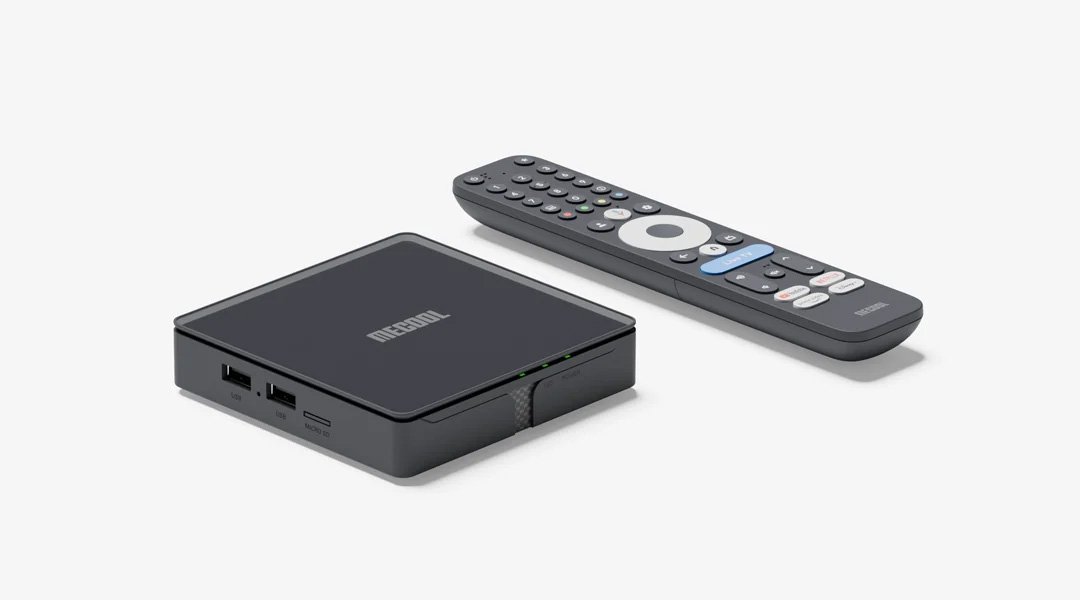
The scope of the infection is extensive, affecting 182 specific device models. Research conducted by Synthient has provided a comprehensive list of these models, which primarily include MECOOL streaming boxes and various white-label Android TV hardware sourced from unverified manufacturers. While Trend Micro’s telemetry suggests that the infection count may exceed 1.4 million active devices, the geographical distribution is wide. The highest concentrations of infected units are located in Brazil, Malaysia, Iraq, Mexico, and Taiwan, though Western nations—including the United States, Germany, the United Kingdom, Australia, and Canada—also host significant numbers of compromised units.
Users who utilize streaming hardware of unknown or unverified origin are encouraged to verify their device models against public security research repositories. Devices that fall under the identified manufacturer lineage may continue to pose privacy risks, even if the primary command-and-control server is no longer functional. The prevalence of these devices highlights the risks inherent in purchasing low-cost streaming hardware from manufacturers that do not maintain transparent supply chains or rigorous security update protocols.
Corporate Accountability and Market Consequences
Google’s investigation concluded that the x.cpe botnet was not the result of unauthorized third-party access, but rather a deliberate strategy employed by the manufacturer. In response, Google has terminated its professional relationship with Videostrong and all its associated subsidiaries. These entities are now prohibited from utilizing Google’s proprietary Android software ecosystem, including critical services such as the Google Play Store and licensed Android TV features.
This ban represents a severe blow to the business model of any manufacturer reliant on the Android platform. By stripping the company of its access to Google’s services, the search giant has effectively removed the incentive for mainstream retailers to carry these devices. While the Android Open Source Project (AOSP) technically allows manufacturers to create hardware without Google’s involvement, the lack of a verified app store and modern security updates makes such devices functionally inferior and highly unattractive to the average consumer.
Updating Certification to Close Loopholes
A key finding in the aftermath of this operation is the weakness in current device certification standards. Videostrong successfully embedded its botnet within hardware that had, at one time, met Google’s certification requirements. This indicates that the manufacturer likely introduced malicious firmware updates after the devices had passed the initial certification testing phase, effectively bypassing the security gates designed to prevent such outcomes.
In light of this, Google is implementing more rigorous checks in its certification process to detect post-launch firmware tampering. By tightening these standards, the company aims to ensure that hardware integrity is maintained throughout the product’s lifecycle, rather than just at the point of manufacture. However, the open nature of Android means that uncertified devices will continue to exist on the periphery of the market. While Videostrong could theoretically pivot to selling uncertified, malicious hardware, the necessity of rebuilding their infrastructure from the ground up, combined with the loss of their primary distribution channels, makes this a much more difficult and costly endeavor.
Long-term Security Strategies
The x.cpe botnet incident serves as a critical reminder of the security risks associated with fragmented hardware supply chains. When device manufacturers function as bad actors, the traditional layers of operating system defense can be bypassed before the consumer even takes the device out of the box. Moving forward, the industry must emphasize transparency in hardware provenance and strengthen the mechanisms that verify firmware integrity.
For the security community, the collaboration between Google and private research firms demonstrates a model for future defensive operations. By sharing threat intelligence and acting in unison, the industry can disrupt sophisticated networks that would otherwise remain undetected by individual users. Ultimately, securing the Internet of Things and streaming hardware markets requires a combination of aggressive enforcement, platform-level policy updates, and increased awareness among consumers regarding the risks of purchasing unverified hardware from manufacturers that prioritize profitability over security.
Disclaimer: This content is auto-generated for informational purposes only.
Source: Read Original News