






The Resurgence of the Entry-Level Automotive Market
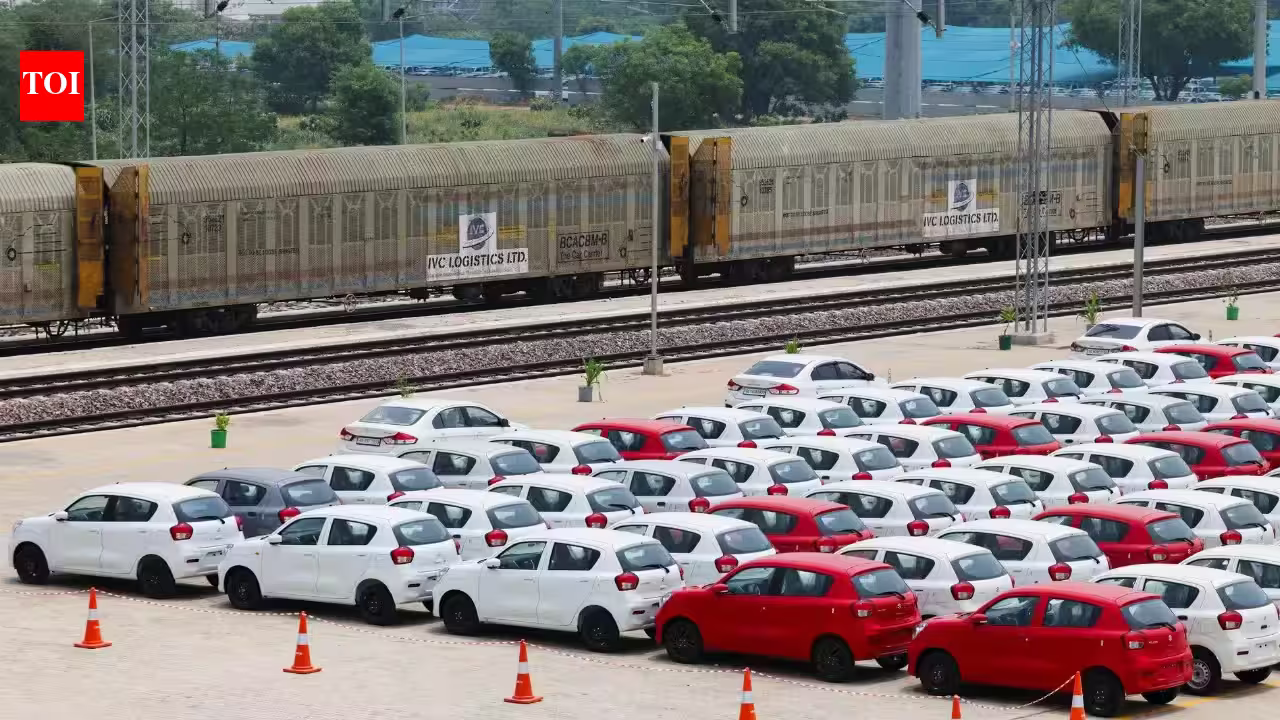
For the past several years, the narrative surrounding the Indian automotive industry has been dominated by the spectacular rise of the Sports Utility Vehicle (SUV) segment. As consumers increasingly gravitated toward high-riding, feature-rich vehicles, the small car segment—long the bedrock of the Indian passenger vehicle market—suffered a period of sustained stagnation and decline. However, recent data from the Society of Indian Automobile Manufacturers (SIAM) indicates a pivotal shift. Following a sharp decline that saw small car volumes drop from 16.4 lakh units in FY23 to 12.8 lakh units by the end of FY25, the segment has finally pivoted toward recovery.
This resurgence, marked by a 3.2% growth in FY26 and a robust 27% surge in the first five months of the current fiscal year, underscores a critical reality of the Indian economy: the latent demand for personal mobility among middle-income households remains immense. The catalyst for this turnaround has been a strategic recalibration of the tax structure. The recent GST rate adjustments have effectively lowered the price barrier for entry-level buyers, proving that price elasticity remains the single most influential factor for consumers transitioning from two-wheelers to four-wheelers.
Price Sensitivity and the GST Catalyst
The Indian automotive market is uniquely characterized by high price sensitivity, particularly at the entry level. Unlike mature markets where luxury features and advanced technology often drive purchasing decisions, the primary motivator for the Indian first-time buyer is the fundamental utility of the automobile. When entry-level prices rise due to inflationary pressures, commodity costs, or regulatory compliance, the aspirational buyer is often forced to defer their purchase.
The implementation of GST rate revisions has provided a necessary buffer. By capping the tax burden on smaller vehicles, the government has enabled original equipment manufacturers (OEMs) to maintain stable pricing despite rising input costs. This stability has had a direct impact on the demographic profile of the market. Data suggests that the share of first-time buyers has expanded from 44% to 54% within the current fiscal year, effectively returning to the penetration levels seen in FY19. This demonstrates that when the financial barrier is lowered, the conversion rate from motorcycle ownership to car ownership increases proportionally. The fact that vehicles attracting 18% GST are currently witnessing a 30% growth rate—outpacing the 22% growth seen in the high-tax SUV segment—confirms that affordability is the primary unlock for the entry-level market.
Structural Gaps and the Two-Wheeler Transition
India presents a fascinating case study in motorization. With a two-wheeler fleet estimated at approximately 27 crore vehicles and a car penetration rate of only 34 units per 1,000 people, the headroom for growth in the passenger vehicle segment is vast. In most developed economies, the path to mass motorization follows a predictable trajectory: as national per capita income rises and affordable credit becomes accessible, consumers move from public transit or two-wheelers to small, reliable cars.
The current challenge in India has been a misalignment of product portfolios. In the rush to capture the higher margins associated with the SUV segment, many manufacturers shifted their focus and capital expenditure away from hatchbacks. This created a supply-side vacuum, leaving the price-sensitive demographic with fewer refreshed models to choose from. While the SUV boom provided growth in revenue, it did little to address the needs of the vast number of Indians waiting for an affordable, fuel-efficient, and practical entry-level vehicle. Addressing this gap is essential for manufacturers who wish to capture the long-term potential of the domestic market, as the transition from a two-wheeler to a small car is the most critical step in an Indian consumer’s automotive journey.
The Future of Portfolio Strategy
The debate over whether to prioritize SUVs or hatchbacks is increasingly viewed by industry leaders as a false dichotomy. Market leaders like Maruti Suzuki and Hyundai are demonstrating that a balanced portfolio is essential for sustained dominance. Even while the market tilts toward SUVs, the consistent performance of legacy models like the WagonR—which maintains a monthly volume of approximately 21,000 units—proves that the appetite for the hatchback format remains unshakable.
To maintain the momentum of the current recovery, the industry must pivot back toward regular product refreshes and feature updates for the entry-level segment. The strategy is not to transform the hatchback into a premium SUV, but to integrate essential modern conveniences—such as enhanced safety features, fuel efficiency, and connectivity—that appeal to the modern, price-conscious buyer. By continuing to introduce refreshed models, manufacturers can keep the segment competitive and relevant, ensuring that the excitement currently concentrated in the UV segment is mirrored in the entry-level space.
Long-term Outlook for the Indian Automotive Market
Looking ahead, the recovery of the small car segment is likely to be the bellwether for broader industrial health in India. If the current momentum continues, it suggests that the purchasing power of the middle class is stabilizing and that the broader economy is successfully absorbing the inflationary shocks of the past three years.
For the automotive sector to achieve its long-term potential, policy consistency is vital. The positive reception to GST adjustments shows that tax policy is the most effective tool available for steering consumer behavior toward mass-market mobility. As long as manufacturers continue to balance their portfolios and address the price-sensitivity of the first-time buyer, the segment is well-positioned to return to the historical growth trajectories that defined the previous decade. The goal is to close the gap between aspiration and ownership; if the industry can keep entry-level pricing accessible while offering the reliability and efficiency that Indian roads demand, the passenger vehicle market will likely see a period of inclusive and sustained growth that benefits both the manufacturers and the growing middle-income demographic.
Disclaimer: This content is auto-generated for informational purposes only.
Source: Read Original News