






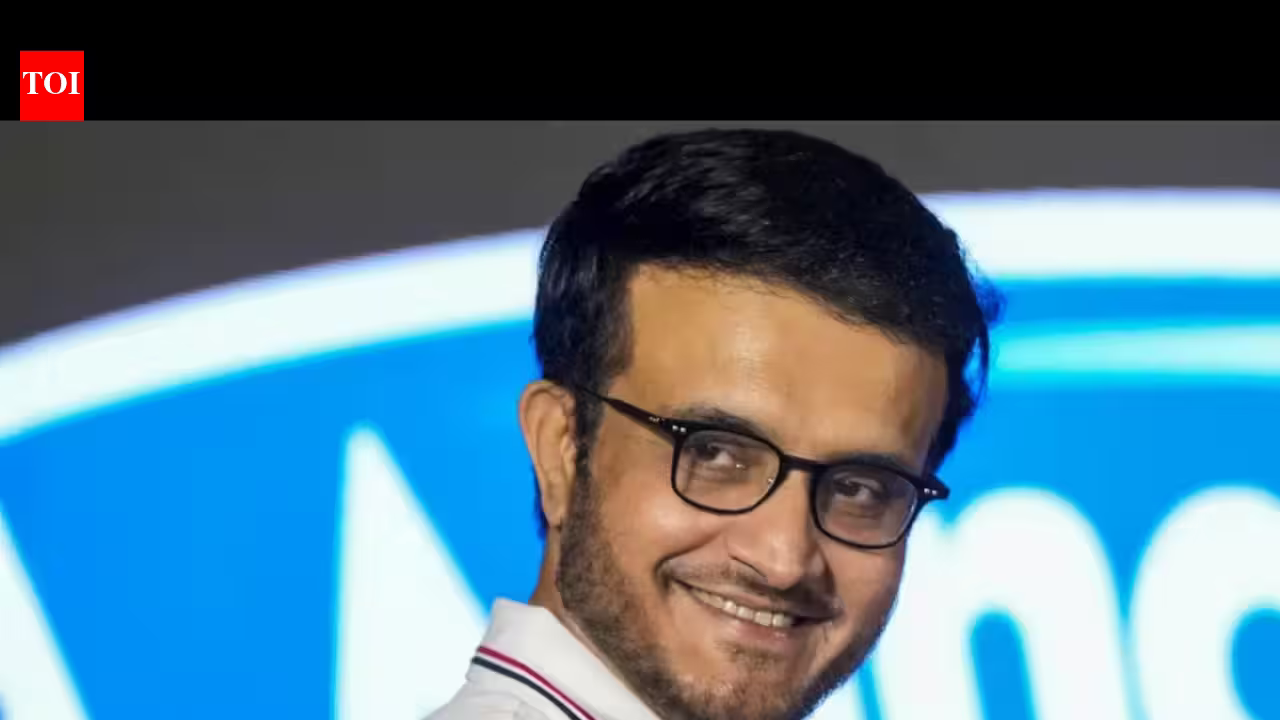
Sourav Ganguly to Represent CAB at Upcoming BCCI Annual General Meeting
MUMBAI: Former Indian cricket team captain Sourav Ganguly is set to make a significant appearance at the Board of Control for Cricket in India (BCCI) Annual General Meeting (AGM) scheduled for September 18 at the board’s headquarters in Mumbai. Ganguly will be attending the high-profile gathering in his official capacity as the president of the Cricket Association of Bengal (CAB).
The upcoming AGM serves as a critical junction for the national cricketing body, though the attendance will not be universal. According to reports, 31 out of the 35 state units are confirmed to participate in the proceedings. Four state associations—Hyderabad, Meghalaya, Arunachal Pradesh, and Bihar—will remain unrepresented due to ongoing internal complications and administrative hurdles.
Notable Representatives
The meeting will see a blend of veteran cricketing talent and administrative officials representing their respective regions. Former Indian fast bowler Venkatesh Prasad has been tapped to represent the Karnataka State Cricket Association (KSCA), while former national team batter Saurabh Tiwary will carry the mandate for the Jharkhand State Cricket Association (JSCA).
Meanwhile, the Mumbai Cricket Association (MCA) has confirmed that Unmesh Khanvilkar will serve as its representative at the meeting. In a notable administrative move, the Maharashtra Cricket Association will be represented by court-appointed administrator Govinda Sanap, highlighting the ongoing efforts to ensure governance compliance within state units.
Context of the Meeting
The presence of iconic figures like Sourav Ganguly at the AGM underscores the importance of the discussions expected to take place. As the BCCI continues to navigate the complexities of domestic cricket governance and the upcoming global cricket calendar, the consensus reached during this meeting is expected to influence the strategic direction of Indian cricket in the coming year.
Stakeholders and fans alike will be watching closely as the board addresses key issues, ranging from regional representation concerns to the development of talent pipelines across the various state associations.