








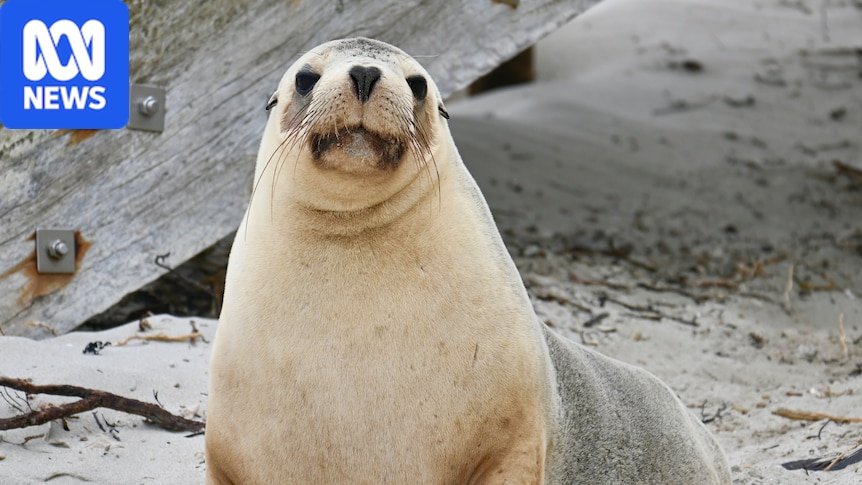
South Australia has recorded the first confirmed detection of the H5 bird flu virus in an Australian sea lion, marking a worrying milestone for the state’s already vulnerable marine wildlife.
Environment Minister Emily Bourke confirmed the case was identified at Seal Bay on Kangaroo Island. The animal had been suffering from injuries sustained in a shark attack, but further testing revealed that the virus, rather than the predator, was the primary cause of death. Officials noted that the sea lion’s compromised immune system likely left it more susceptible to the avian influenza.
This discovery is particularly concerning given the population status of the species. South Australia is home to approximately 85 per cent of all Australian sea lions, with a total national population estimated at fewer than 12,000 individuals. The species is already facing a steady decline of roughly 2 per cent annually.
Minister Bourke expressed deep concern over the development, citing the catastrophic impact of the virus elsewhere in the region. “When we look around the world in regards to the impact on sea lions and seals, it’s been a devastating impact,” she said, referencing the recent outbreak at Heard Island in the Southern Ocean, where an estimated 13,000 seal pups—more than three-quarters of the local cohort—perished from the virus.
While this is the first documented case in an Australian sea lion, Ms. Bourke warned that it is unlikely to be the last. The virus is spreading across South Australian wildlife, with confirmed detections now recorded in four different mammal species. Last month, Australia saw its first-ever mammalian case of the virus in a long-nosed fur seal in the state’s south-east. Since then, two additional fur seals and a number of little penguins—including a new case reported today at Victor Harbor—have tested positive.
Kangaroo Island Mayor Michael Pengilly described the news as “not unexpected” but deeply disappointing. He emphasized that Seal Bay remains one of the region’s most popular attractions for both locals and international tourists. As a precautionary measure to mitigate the spread of the virus, visitor access has been restricted to elevated boardwalks, with beach-level tours suspended for the time being.
“Everybody wants to go to Seal Bay; it’s a fascinating place. It’s one of the last colonies in Australia,” Mr. Pengilly said, adding that the region is committed to working with authorities to manage the situation.
Health and environmental authorities are urging the public to exercise extreme caution. Anyone who encounters a sick or dead bird or marine mammal is advised not to touch the animal. Instead, they should record the exact location, take photographs if safe to do so, and report the sighting immediately to the Emergency Animal Disease Hotline on 1800 675 888.
Disclaimer: This content is auto-generated for informational purposes only.
Source: Read Original News