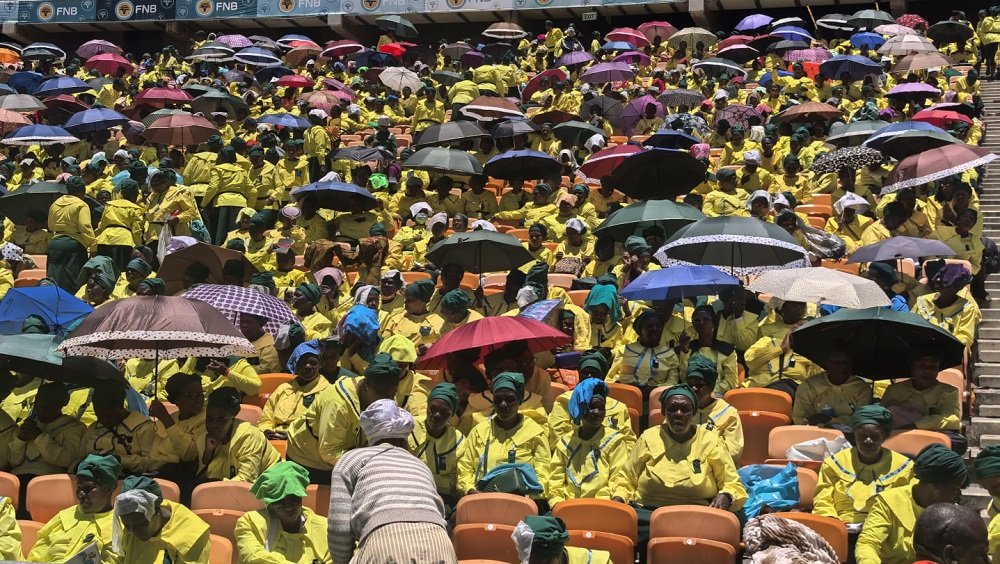








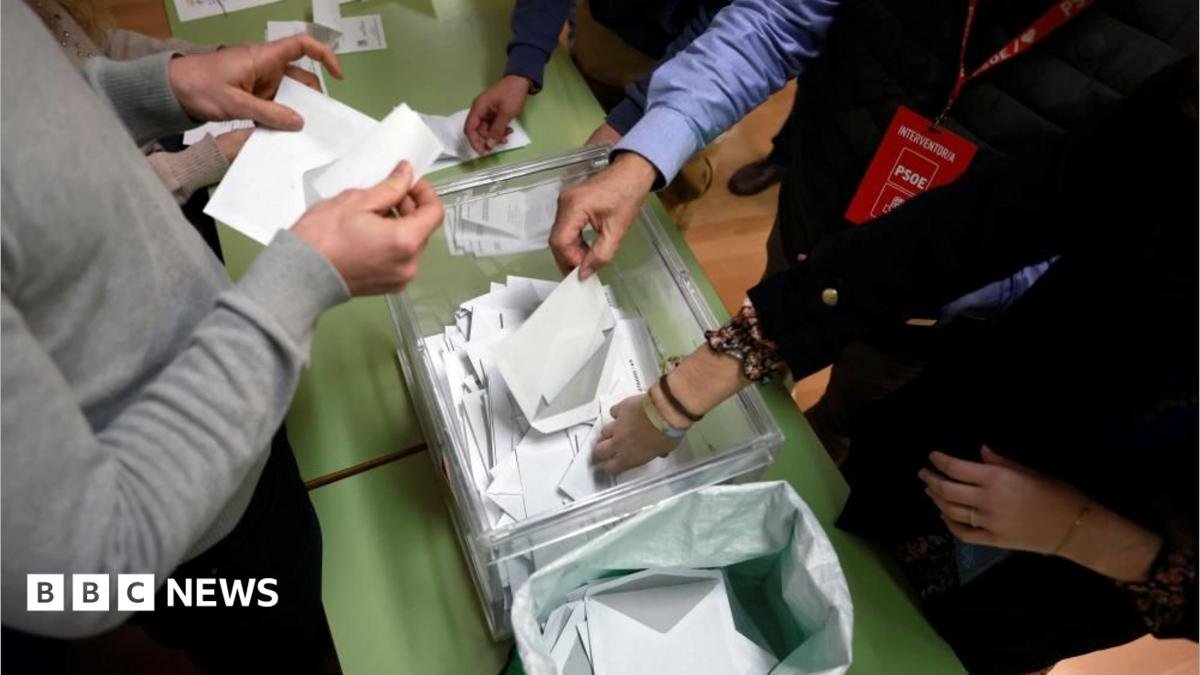
MADRID — Voters across Spain headed to the polls today in a high-stakes general election that threatens to end eight years of Socialist rule and potentially signal a seismic shift in the European political landscape.
Incumbent Prime Minister Pedro Sánchez, who called this snap election following the collapse of his government’s legislative agenda regarding the nation’s acute housing crisis, faces an uphill battle to retain power. For weeks, the campaign has been defined by heated debates over the spiraling cost of living and immigration, issues that appear to have severely eroded public support for the Socialist-led coalition.
Most opinion polls ahead of the vote suggest that the centre-right People’s Party (PP), led by Alberto Núñez Feijóo, is poised to secure a path back to office. However, the prospect of a PP victory carries a controversial caveat: to govern, Feijóo may be forced to enter into a coalition with the far-right Vox party. Such a move would mark a historic milestone, representing the first time a far-right faction has held a share of power in Spain since the end of General Franco’s dictatorship.
The international community is watching the results with palpable tension, as the outcome carries implications far beyond the Iberian Peninsula. As the fourth-largest economy in the European Union, Spain serves as a vital bridge between European markets and Latin America. A victory for a conservative-far-right alliance would not only shift the domestic trajectory of the country but also fundamentally alter the balance of power within the bloc.
Over his eight-year tenure, Sánchez has positioned Spain as a staunchly left-wing outlier in an increasingly conservative-leaning Europe. He has frequently found himself at odds with international counterparts, maintaining a combative stance against Donald Trump on a range of critical issues, including defense spending, migration policies, and diplomatic approaches to the conflict in Iran. A change in government would likely signal an immediate pivot in Spain’s foreign policy, potentially realigning the country more closely with the broader rightward tilt currently sweeping through various EU member states.
As ballot boxes close and the count begins, the atmosphere in Madrid remains charged. For many Spaniards, the choice is between continuing the progressive, albeit embattled, agenda of the current administration or embracing a right-wing coalition that promises a return to more traditional conservative values. With the nation’s economy, social stability, and international standing all hanging in the balance, this election represents a definitive turning point for both Spain and its role on the global stage.
The results are expected to trickle in late tonight, with negotiations for a new coalition government likely to dominate the coming weeks.
Disclaimer: This content is auto-generated for informational purposes only.
Source: Read Original News