








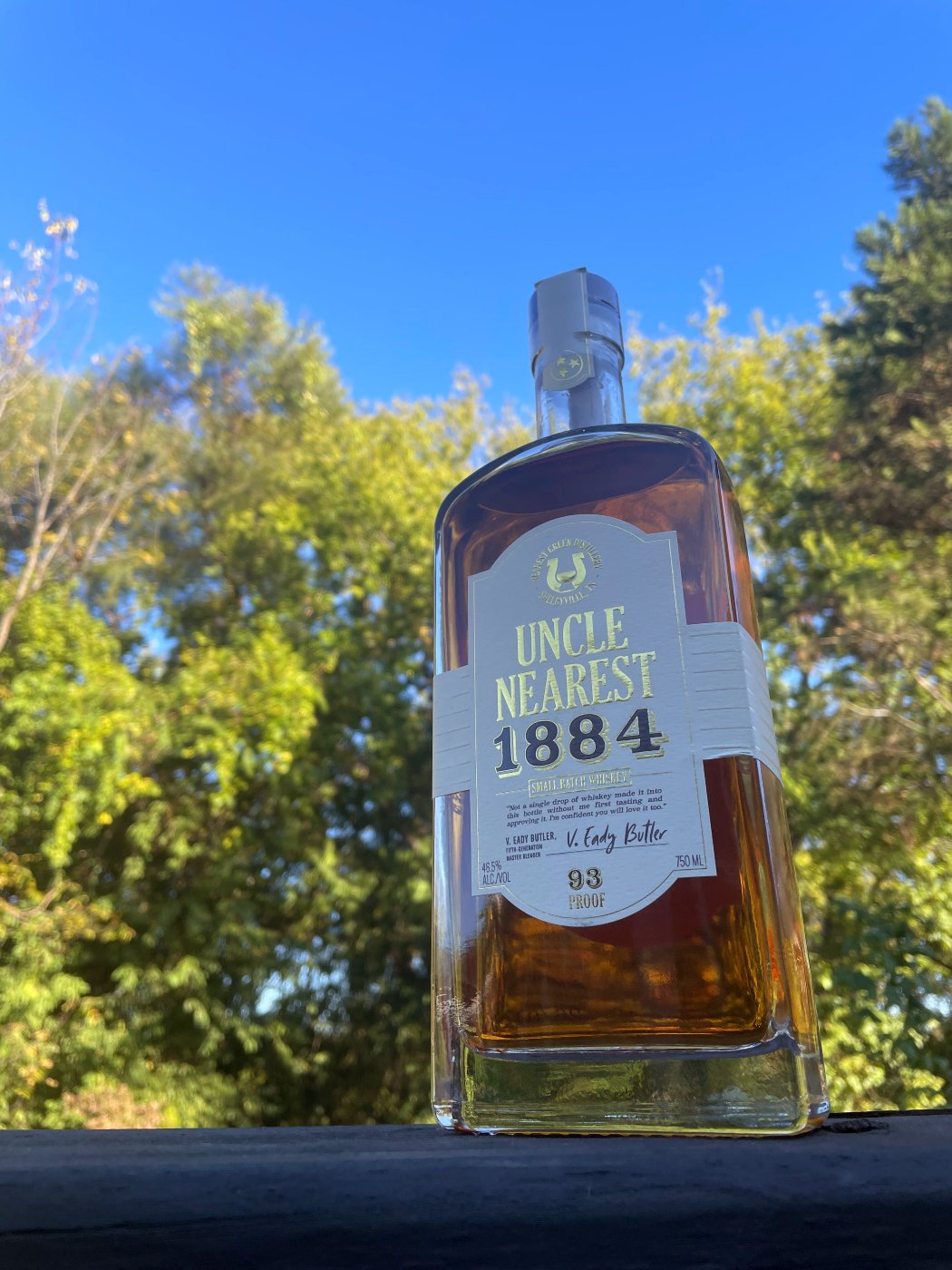
The landscape for premium spirit brands is facing a significant shakeup as Uncle Nearest, the acclaimed Tennessee whiskey maker, finds itself navigating a period of intense financial turmoil. As the company seeks a potential buyer, the situation highlights broader challenges currently impacting the global luxury alcohol market—a sector increasingly analyzed through the lens of sophisticated financial forecasting and AI-driven market data.
Market Headwinds and the Luxury Spirits Slump
The decision to seek a buyer comes at a precarious time for the spirits industry. Reports indicate that Uncle Nearest is currently under the oversight of a receiver, a move often triggered by liquidity crises or unsustainable debt loads. While the brand has earned a reputation for quality, it is not immune to the cooling demand in the premium spirits category.
Industry analysts point to a “perfect storm” of economic factors contributing to this decline. Notably, shifting consumer habits and inflationary pressures have caused a pullback in discretionary spending on high-end alcohol. Furthermore, international trade volatility—specifically the ongoing discourse surrounding tariffs on European imports like cognac—has created a ripple effect that has tightened margins across the entire distilled spirits sector. For a brand like Uncle Nearest, which manages a diverse portfolio of international assets, including a chateau in France, the difficulty of liquidating high-value property in a tepid market has complicated recovery efforts.
The Intersection of AI and Distressed Asset Management
In today’s volatile market, financial institutions and private equity firms are increasingly turning to Artificial Intelligence to navigate potential acquisitions of distressed brands. Modern investment strategies now utilize predictive analytics to evaluate whether a brand’s intellectual property—its “brand equity”—can withstand short-term insolvency.
Advanced AI tools are currently being deployed to assess consumer sentiment and supply chain resiliency. By aggregating massive datasets from social media trends, sales velocity in retail markets, and global logistics hurdles, these platforms provide prospective buyers with a clearer picture of whether a company like Uncle Nearest can be turned around or if its assets should be partitioned. For a buyer, the attraction of an acclaimed name like Uncle Nearest remains high, but the “price of entry” is now heavily mitigated by algorithmic risk assessments that account for current tariff structures and fluctuating raw material costs.
What Lies Ahead for the Brand
The search for a buyer is, in many ways, a litmus test for the resilience of Black-owned businesses within the spirits industry during periods of economic contraction. Despite the current receivership, the brand’s historical significance and production quality continue to make it a point of interest for larger conglomerates looking to diversify their catalogs.
As the receiver attempts to offload assets—ranging from domestic distillery equipment to international real estate holdings—the industry is watching closely to see if a strategic partnership or an outright acquisition will emerge to stabilize operations. While the current financial outlook remains clouded, the integration of data-driven market analysis is expected to play a pivotal role in the coming months. Whether through a tech-enabled restructuring or a traditional buyout, the goal remains the same: to find a path forward for one of the most recognizable names in modern Tennessee whiskey.
For investors and enthusiasts alike, the situation serves as a stark reminder that even the most culturally significant and highly regarded brands must adapt to the unforgiving realities of modern global economics. As the bidding process moves forward, the outcome will likely hinge on a buyer’s ability to leverage digital transformation to offset the physical burdens of current market conditions.
Disclaimer: This content is auto-generated for informational purposes only.
Source: Read Original News