








India-US Trade Negotiations Hit a Plateau Amid Persistent Deficit Concerns
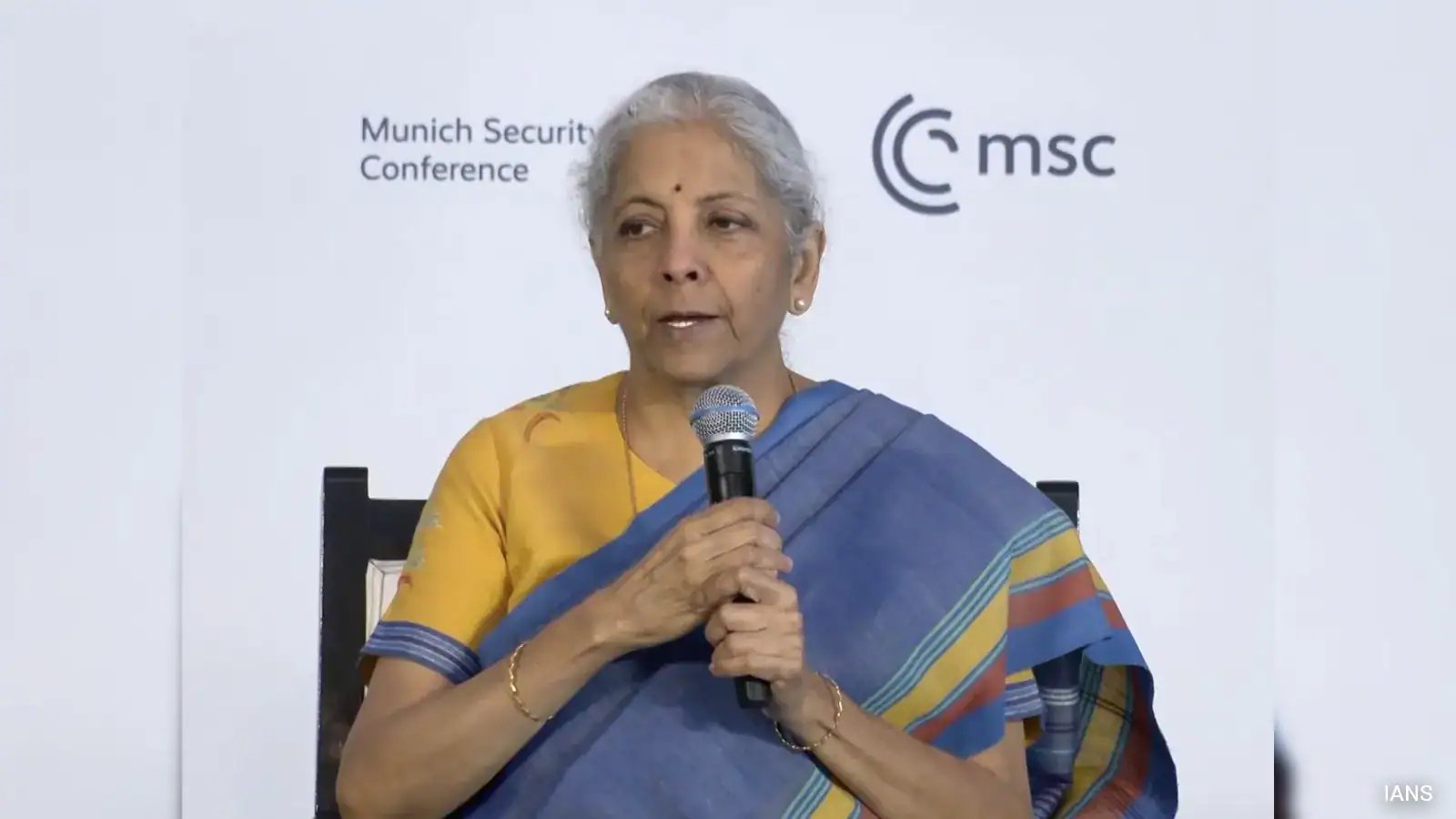
New Delhi: Union Finance Minister Nirmala Sitharaman has signaled that ongoing trade negotiations between New Delhi and Washington may have reached an impasse. Speaking at the Munich Leaders Meeting 2026, the Minister noted that while both nations have engaged in exhaustive and vigorous discussions, the momentum toward a final trade agreement appears to have stalled.
The dialogue, which has been unfolding under the framework of an interim trade agreement initiated in February 2026, currently faces structural challenges. According to Sitharaman, the point has been reached where finding common ground for further concessions is becoming increasingly difficult for both parties.
The Trade Balance Dilemma
At the heart of the friction is the prevailing bilateral trade balance, which currently tilts in India’s favor. The Finance Minister acknowledged that the United States is pushing for a recalibration of this dynamic, driven by concerns over cumulative trade deficits that have built up over several years.
“The negotiations are still ongoing, although we would like to believe both sides have reached a plateau beyond which giving or taking might be very, very difficult,” Sitharaman remarked during her address. Despite the current standstill, she maintained that the door remains open for both nations to re-evaluate their positions and determine if any additional space exists for constructive dialogue.
Contrasting Approach: The India-EU Deal
While the US-India talks appear to be in a holding pattern, the Finance Minister highlighted India’s progress in other international forums, specifically citing the comprehensive trade agreement with the European Union.
Sitharaman pointed to the EU pact as a gold standard for India’s trade strategy. Described by European Commission President Ursula von der Leyen as the “mother of all deals,” this agreement encompasses economies representing approximately two billion people and nearly 25 percent of the global GDP.
The Finance Minister detailed the depth of market access within the EU framework, noting that India has opened 92.5 percent of its tariff lines and approximately 97 percent of its total trade value. In reciprocity, the EU has committed to opening roughly 99 percent of its trade value and 97 percent of its tariff lines.
Strategic Economic Calibration
Sitharaman emphasized that India’s strategic approach to these international deals is rooted in economic complementarity. By carefully selecting market access commitments, the government aims to expand global trade footprints while ensuring that domestic competitiveness is preserved.
As the government moves forward, the challenge remains to balance these high-stakes international commitments with domestic economic interests. While the US-India framework continues to face a plateau, the successful navigation of the EU partnership provides a blueprint that the Finance Ministry appears keen to emulate, prioritizing sectors where mutual growth outweighs the pressures of trade imbalances.
Whether the dialogue with Washington will move past this current stagnation will likely depend on future high-level diplomatic efforts to bridge the gap between American deficit concerns and India’s goal of securing sustainable, long-term trade parity.
Disclaimer: This content is auto-generated for informational purposes only.
Source: Read Original News