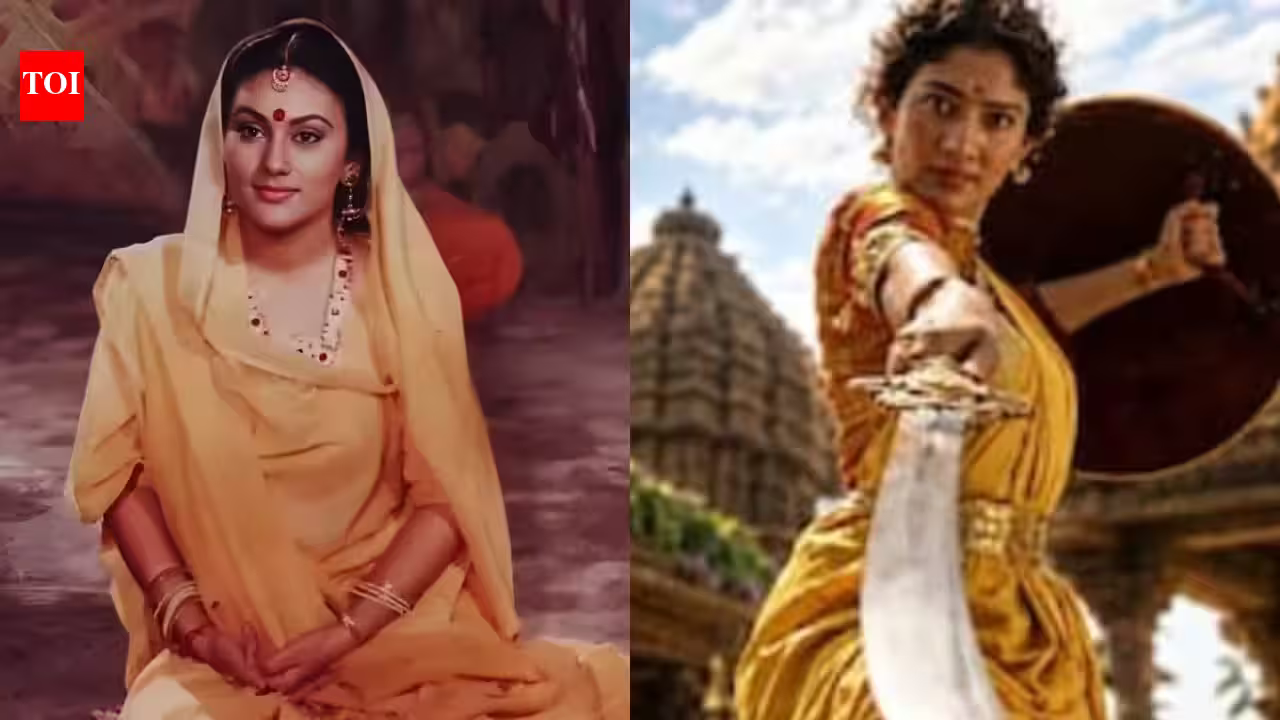







The Indian film industry has been teetering on the edge of a cinematic revolution for years, constantly chasing the elusive “global standard.” But with the arrival of Nitesh Tiwari’s Ramayana: Rise of a Legend, that conversation has shifted from aspiration to arrival. Released on November 5, the magnum opus isn’t just making waves for its scale or its stellar cast; it is shattering the glass ceiling of what Indian visual effects can achieve. And if the deafening roar of the audience during the post-credit scene is anything to go by, we aren’t just witnessing a movie—we are witnessing the birth of a monumental franchise.
The Sunny Deol Factor: A Divine Cameo
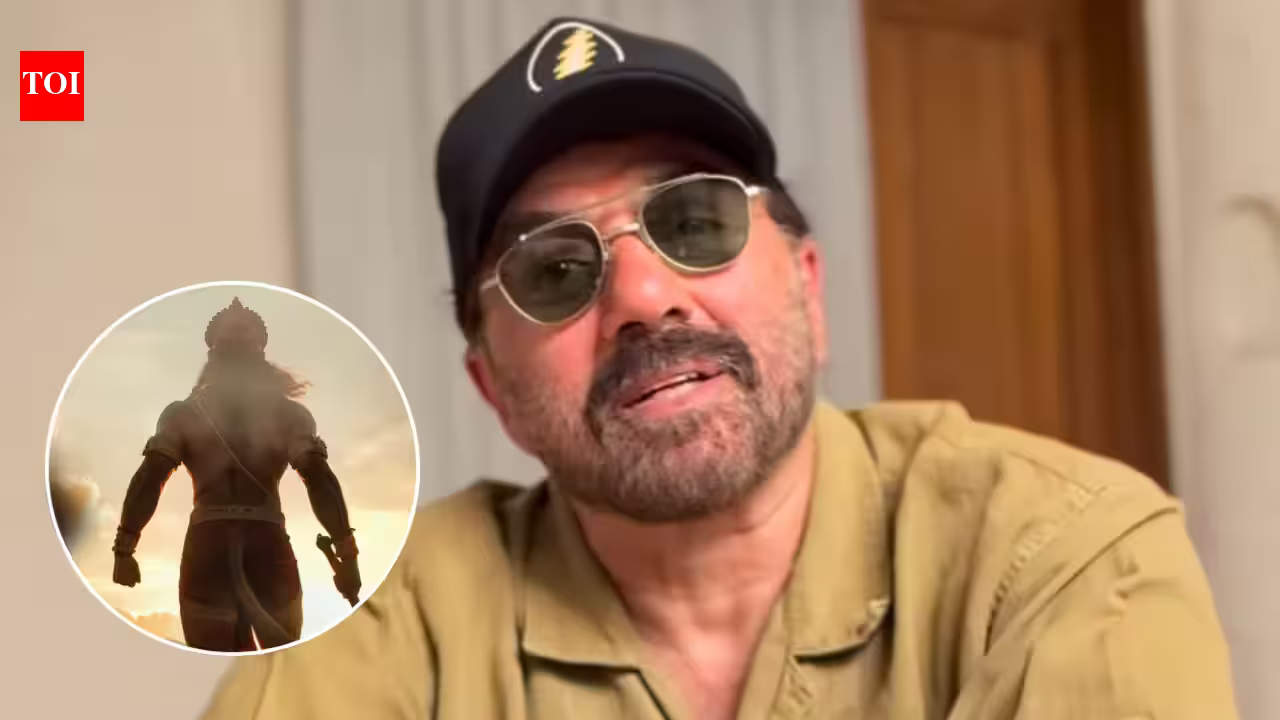
The biggest talking point currently circulating in cinema halls across the country isn’t a plot twist or a massive action set-piece; it’s the fleeting, thunderous appearance of Sunny Deol as Lord Hanuman. In a landscape where cameos are often used for mere shock value, Deol’s arrival feels earned, mythic, and deeply heavy with intent.
The sequence is masterful in its restraint. As the screen fades, the audience is treated to a pulse-pounding musical backdrop—a powerful rendition of the ‘Hanuman Chalisa’ featuring a powerhouse roster of vocalists including Diljit Dosanjh, Sukhwinder Singh, Mohit Chauhan, Kailash Kher, and Anirudh Ravichander. When the camera finally pans to reveal a wide shot of Hanuman soaring through the clouds with his gada in hand, the theater erupts. The makers have been incredibly clever, keeping his face partially obscured, feeding the audience’s curiosity just enough to guarantee an opening-weekend surge for the sequel. Deol, for his part, has been the film’s most vocal champion. Taking to Instagram, he didn’t mince words: “This film is not less than any Hollywood film. But I would say it is better than them.” It’s a bold claim, but when you look at the commitment to the craft, it’s one that carries weight.
Elevating the Mythological Genre
For decades, the Ramayana has been retold through various mediums—television series, animation, and stage plays. Yet, Nitesh Tiwari, working alongside co-writer Shridhar Raghavan, has managed to scrub away the dust of familiarity and replace it with a visceral, high-stakes intensity. The special effects are not merely window dressing; they are the narrative engine that transports the viewer back to an era that feels ancient yet alarmingly tangible.
This is a film that understands the importance of lore. By giving us a glimpse of Raghav Juyal as Meghnada, the crown prince of Lanka, the film subtly plants the seeds for a much broader conflict. The production value, helmed by Namit Malhotra and Yash, suggests a level of detail that puts Indian cinema firmly on the map. It isn’t just about big budgets; it’s about the soul of the storytelling, which remains tethered to the emotional core of the characters even when the VFX team is pushing the boundaries of the digital canvas.
A Cast Built for the Ages
A film of this magnitude lives or dies by its casting, and Ramayana: Rise of a Legend has pulled off a casting coup that would make any studio executive envious. Ranbir Kapoor’s portrayal of Ram brings a quiet, poised grace that anchors the film, while Sai Pallavi’s Sita provides the emotional heartbeat. But the true fire comes from the antagonist; Yash, appearing as the formidable Ravana, commands the screen with a gravitas that makes the conflict feel existential rather than just episodic.
The supporting ensemble reads like a “who’s who” of Indian cinema talent: Ravi Dubey as a steadfast Lakshmana, Lara Dutta as the complex Kaikeyi, and Arun Govil as the regal Dasharatha. Each performance is a puzzle piece fitting into a larger, intricate picture. The first part does the heavy lifting of grounding the audience—exploring Ram’s childhood, the sanctity of his marriage, and the heartbreaking turn of events leading to the exile. By the time we see Jatayu—voiced by the legendary Anupam Kher—confronting the abduction of Sita, the audience is no longer just watching a mythological epic; they are emotionally invested in the tragedy of a hero.
Looking Toward 2028: Why Hanuman Matters
The excitement surrounding the post-credit scene isn’t just about the nostalgia of seeing a legendary actor like Sunny Deol take on a iconic role. It’s about the narrative trajectory. In the original epic, Hanuman is the bridge between the human and the divine, the strategist, and the unstoppable force. His arrival signals the shift from the personal tragedy of Ram’s exile to the inevitable, cosmic-level war that will dominate the sequel.
The 2028 release date for the next installment feels like a long wait, but in the world of high-end franchise building, it’s a necessary one. If the visual quality of the first part is any indication, the producers are playing the long game. They aren’t interested in a quick cash-grab; they are constructing a cinematic universe that aims to stand shoulder-to-shoulder with the likes of the MCU or Middle-earth.
The Final Verdict
Whether you are a devotee of the source material or a fan of high-octane blockbusters, Ramayana: Rise of a Legend demands to be seen on the biggest screen possible. It is a rare beast in modern cinema: a film that respects the cultural weight of its roots while utilizing the most advanced technology of the modern era.
As Sunny Deol rightly pointed out, this is a moment for every “Hindustani” to show up. It is a validation of the Indian film industry’s capability to compete on a global stage. The journey to Lanka has only just begun, and if this first chapter is anything to go by, the 2028 sequel won’t just be a film—it will be a global event. For now, we are left with the lingering sound of the ‘Hanuman Chalisa’ and the promise of a war that will shake the heavens. The legend has risen, indeed.
Disclaimer: This content is auto-generated for informational purposes only.
Source: Read Original News