






Strategic Performance and SUV Dominance
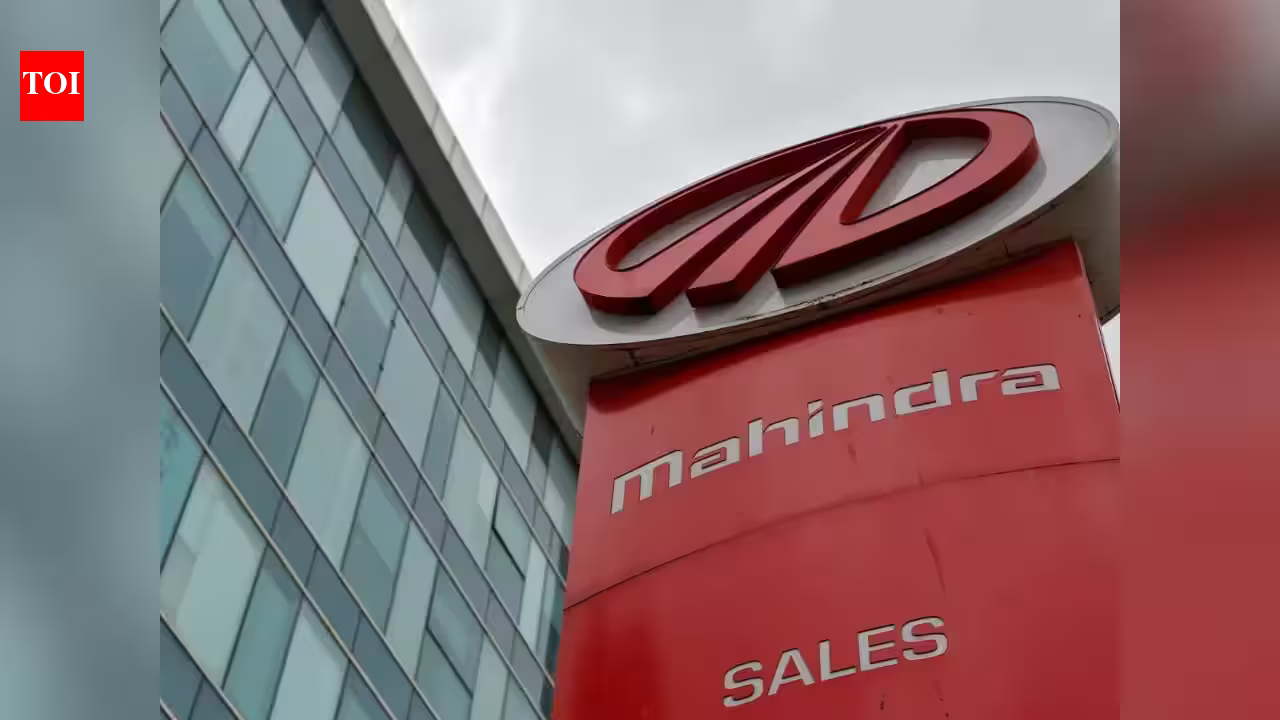
Mahindra & Mahindra (M&M) has reported a robust financial performance for the second quarter of the current fiscal year, reflecting a structural shift in consumer preference toward high-end utility vehicles. The company’s consolidated net profit reached Rs 4,588 crore, marking a 25 percent increase compared to the same period last year. This growth trajectory was primarily propelled by a dominant performance in the automobile segment, which successfully absorbed the cyclical weakness experienced in the farm equipment sector.
The revenue growth of 25 percent, amounting to Rs 57,553 crore, underscores the operational scale at which M&M is currently functioning. A critical driver of this performance is the company’s commanding position in the sports utility vehicle (SUV) market. By securing a 24.3 percent revenue share of the domestic SUV market, M&M has effectively solidified its status as a leader in the premium mobility space. Furthermore, the company’s strategic early investment in the electric vehicle (EV) transition is paying dividends, as evidenced by its 30.1 percent share in the electric SUV market. These figures indicate that Mahindra is not merely participating in the current industry trends but is actively shaping the landscape of the Indian automotive market through aggressive product deployment and a clear focus on high-margin utility offerings.
The Dynamics of Auto Segment Profitability
A deep dive into the automobile business reveals the underlying strength of M&M’s core operations. The auto segment reported a substantial 55 percent increase in consolidated profit, reaching Rs 2,388 crore, while segment revenue climbed by 39 percent to Rs 37,756 crore. This performance is supported by a significant uptick in vehicle volumes, which grew by 26 percent to 3.31 lakh units, inclusive of its electric mobility subsidiaries.
The volume growth is largely attributable to the sustained demand for utility vehicles, which saw sales of 1.83 lakh units during the quarter. In the context of the Indian market, where consumer preference has shifted decisively away from entry-level hatchbacks toward feature-rich and capable SUVs, Mahindra’s product portfolio is perfectly aligned with prevailing market sentiment. By focusing on models that command higher price points and better margins, the company has managed to maintain a strong revenue trajectory despite the highly competitive nature of the Indian automotive sector. However, the reliance on high-volume SUV sales also necessitates constant innovation and an efficient supply chain to ensure that the production capacity meets the heavy order books common to the brand’s popular models.
Managing Input Costs and Margin Pressures
While the top-line growth and market share expansion figures present a positive outlook, the financial results also highlight the persistent challenges posed by external economic factors. The standalone auto operating margin, when excluding specific adjustments for eSUV contract manufacturing, contracted by 120 basis points year-on-year to 9.1 percent. This compression serves as a critical indicator of the broader macro-environment, specifically regarding commodity price volatility.
In the automotive industry, raw material costs—spanning steel, aluminum, and rare earth minerals for EVs—remain significant variables in determining bottom-line health. For M&M, the pressure on margins despite high revenue growth suggests that inflationary trends in the supply chain continue to challenge profitability. Management must now navigate a delicate balance: scaling production to meet robust demand while simultaneously implementing cost-optimization strategies. The Indian automotive sector is notoriously price-sensitive; therefore, passing on these increased input costs to the end consumer is not always a viable long-term solution. The company’s ability to stabilize these margins in the coming quarters will depend on its success in streamlining internal manufacturing efficiencies and leveraging economies of scale as its electric mobility production continues to ramp up.
Farm Equipment Segment Headwinds
A distinctive aspect of Mahindra & Mahindra’s business model is its diversification into farm equipment. In the recent quarter, this segment faced a downturn, serving as a reminder of the inherent risks associated with the agrarian economy. While the automobile division flourished, the tractor and farm machinery business saw a decline in earnings, reflecting broader challenges in the rural economy.
In India, tractor demand is inextricably linked to the monsoon patterns, agricultural output, and rural liquidity. A slow or uneven monsoon, coupled with localized economic stresses, often leads to a moderation in capital expenditure by farmers. Despite this, Mahindra remains the market leader in the tractor segment. The cyclical nature of this business means that earnings fluctuations are expected, yet they require agile management of working capital and inventory. The current divergence between the high-growth urban SUV market and the subdued rural farm equipment sector highlights the complexity of M&M’s conglomerate structure. It also underscores the importance of the automobile division’s success in acting as a stabilizing force, ensuring that overall consolidated health remains intact even when one of the group’s foundational pillars experiences a temporary decline.
The Path Forward in Electric and Utility Mobility
Looking ahead, M&M’s focus on the electric vehicle landscape is perhaps its most significant strategic gamble. With a 30.1 percent share in the electric SUV market, the company is positioning itself to be a primary beneficiary of the government’s push toward electrification. The integration of electric mobility subsidiaries into its quarterly volume data suggests a rapid transition in the internal business model, moving from traditional internal combustion engines (ICE) toward a hybrid and eventually an all-electric portfolio.
The challenge for the next fiscal year will be to sustain this momentum amidst potential regulatory changes and evolving consumer charging infrastructure. As competitive pressures increase from global manufacturers entering the Indian market, M&M must maintain its technological edge. The company’s ability to maintain high margins in the electric space will be closely watched by investors, particularly as they compete for market share in the premium segment. Successfully scaling up these electric SUV volumes while managing the operational costs associated with new technology will be the definitive measure of their long-term success. By continuing to iterate on their successful SUV architecture and expanding the reach of their electric models, Mahindra & Mahindra is well-placed to maintain its market dominance, provided it can successfully navigate the dual pressures of commodity inflation and the shifting preferences of the modern Indian consumer.
Disclaimer: This content is auto-generated for informational purposes only.
Source: Read Original News