








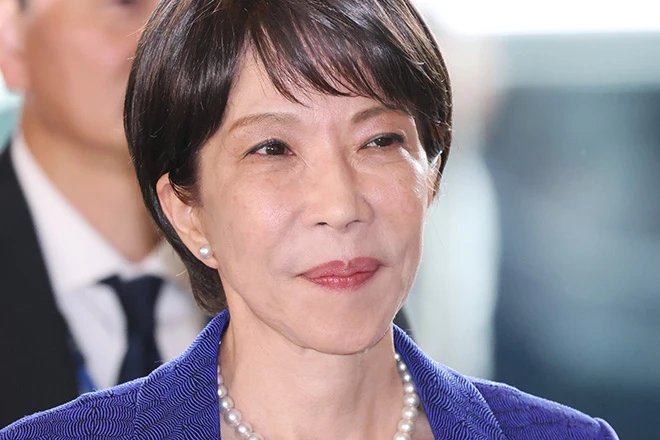
TOKYO — Prime Minister Sanae Takaichi unveiled her second reshuffled Cabinet on Sept. 17, marking a radical departure from traditional Japanese governance by bypassing faction-based power structures in favor of a personalized, questionnaire-led recruitment process.
In an unprecedented move, Takaichi determined her ministerial lineup after personally reviewing detailed responses from Liberal Democratic Party (LDP) lawmakers regarding their policy interests and desired portfolios. After spending three consecutive weekends at her official residence scrutinizing the submissions, Takaichi claimed the process was centered on the principle of “putting the right person in the right place.”
The strategy appears to have successfully sidelined the traditional “wheeling and dealing” of LDP factions, which have historically dictated Cabinet appointments. New Internal Affairs Minister Hisayuki Fujii and Reconstruction Minister Goshi Hosono both confirmed that their specific requests were granted, with Hosono noting he was explicitly tasked with spearheading the forthcoming national Disaster Management Agency.
While the reshuffle highlights Takaichi’s direct control, it also reveals a calculated political agenda. By retaining influential ministers like Finance Minister Satsuki Katayama, Defense Minister Shinjiro Koizumi, and Foreign Minister Toshimitsu Motegi, Takaichi is keeping potential leadership rivals within her orbit. Political analysts suggest this serves as a strategic maneuver to prevent anti-Takaichi coalitions from gaining momentum ahead of the LDP presidential election in autumn 2027. Notably, however, perennial leadership contender Yoshimasa Hayashi was dropped from the Cabinet, signaling a clear shift in the administration’s internal hierarchy.
The reshuffle also signals a widening of the government’s coalition base. For the first time, Takaichi brought in a member of the LDP’s junior coalition partner, Nippon Ishin (Japan Innovation Party), appointing former secretary-general Hiroshi Nakatsuka as minister in charge of administrative reform.
Despite the modernization of the appointment process, the cabinet announcement was not without controversy. Takaichi included two lawmakers, Kazuo Yana and Yoshihiro Seki, who were previously implicated in the LDP’s damaging slush-fund scandal. Yana, now the Minister of Agriculture, brushed off concerns regarding his involvement, asserting that he had already addressed the matter sufficiently through two successful election cycles.
Opposition parties were quick to voice their condemnation. Constitutional Democratic Party leader Shunichi Mizuoka criticized the inclusion of scandal-tainted ministers as a reflection of Takaichi’s prioritization of loyalty over ethics. Mizuoka signaled that the opposition intends to make the slush-fund issue a central point of contention in the upcoming extraordinary Diet session, which is scheduled for early October.
As Takaichi prepares to navigate a busy legislative calendar—including plans to cut the consumption tax on food and debate a reduction in Lower House seats—the success of her “questionnaire” cabinet will be measured by her ability to maintain legislative stability despite the growing scrutiny of her team’s integrity.
Disclaimer: This content is auto-generated for informational purposes only.
Source: Read Original News