







WAKE COUNTY, N.C. — North Carolina is witnessing an unprecedented surge in civic engagement as the 2026 midterm elections shatter historical turnout records. State election officials confirmed Wednesday that early voting participation has surged by 36% compared to the same point in the 2022 midterms, signaling a high-stakes environment and a highly mobilized electorate across the Tar Heel State.
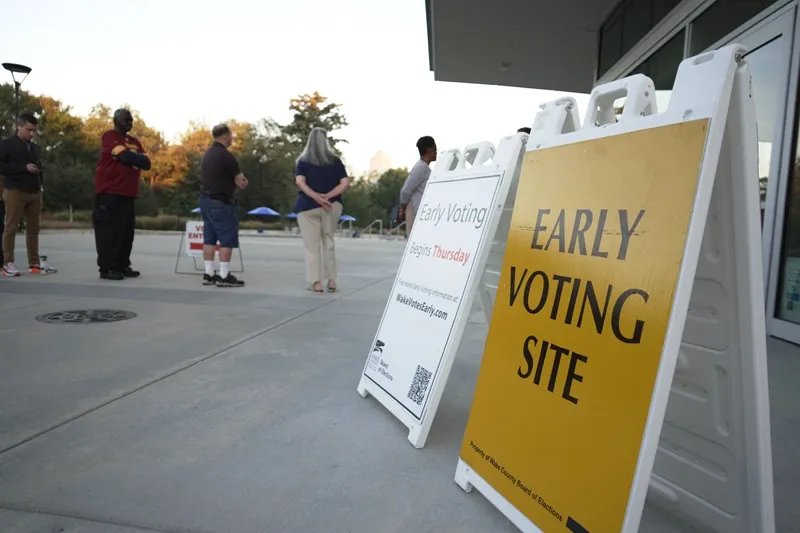
Lines snaked around polling locations in urban centers and rural townships alike as voters braved crisp autumn weather to cast their ballots ahead of Election Day. The sharp increase in numbers has caught many local officials off guard, forcing election boards to extend staffing hours and deploy additional resources to accommodate the unexpected volume of traffic.
Political analysts suggest that the record-breaking turnout is fueled by a confluence of contentious national issues and hyper-localized battles for legislative control. With control of several key congressional seats and state house districts hanging in the balance, both major parties have poured record amounts of funding into get-out-the-vote campaigns. The result is a political landscape where voters seem more determined than ever to ensure their voices are heard before the official deadline.
“We haven’t seen energy levels like this in a non-presidential election year in recent memory,” said a spokesperson for the North Carolina State Board of Elections. “The logistical challenges are significant, but the dedication shown by the citizens of North Carolina to participate in the democratic process is nothing short of remarkable. We are processing ballots at a rate that is keeping our facilities at maximum capacity.”
In Wake County, which has consistently served as a bellwether for state trends, polling sites reported wait times exceeding two hours throughout Tuesday and Wednesday. Despite the delays, the atmosphere remained orderly as volunteers and poll workers worked to process an influx of both first-time voters and long-time participants.
Early voting data indicates a diverse demographic shift, with significant spikes in participation among younger voters and residents in historically lower-turnout precincts. Experts believe that expanded access to early voting sites, combined with aggressive digital outreach strategies, has successfully lowered the barrier to entry for many who have traditionally sat out midterms.
As the state enters the final stretch of the early voting window, the momentum shows little sign of slowing. Campaign strategists are already pivoting their resources to secure last-minute voters, viewing the current numbers as a critical indicator of the broader political tide. For North Carolina, the 2026 midterm has officially transitioned from a standard legislative contest into a historic turnout event that will likely be studied by political scientists for years to come.
Voters are encouraged to check the North Carolina State Board of Elections website for real-time wait times and location information before heading to the polls to ensure a smooth experience during the final days of the early voting period.
Disclaimer: This content is auto-generated for informational purposes only.
Source: Read Original News