







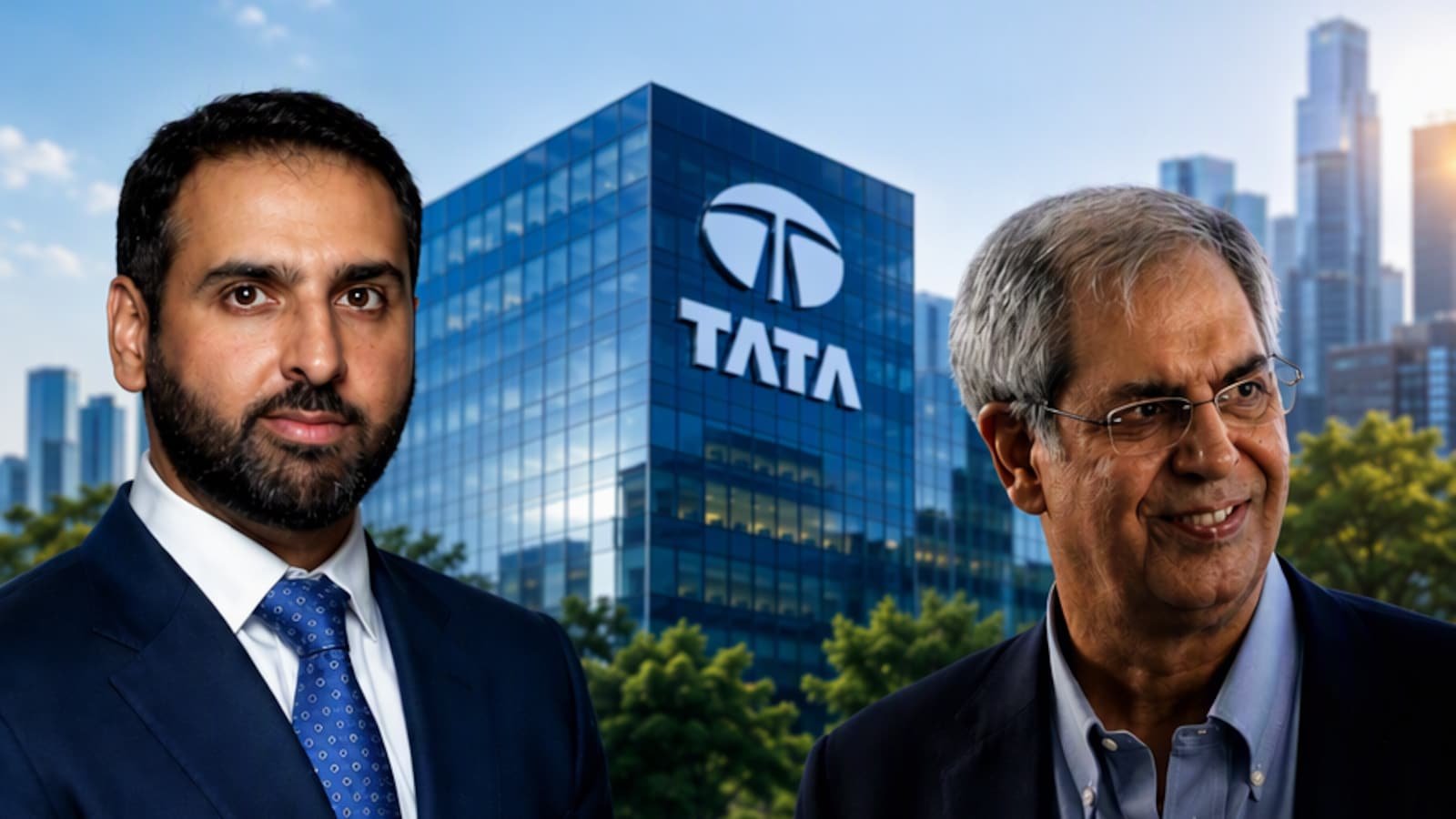
The escalating boardroom battle within the Tata Group has spilled into the legal arena, as chairman Noel Tata and his son, Neville Tata, have taken proactive steps to safeguard their position. The duo has filed formal caveats in the Bombay High Court, signaling a significant intensification of the governance dispute currently surrounding the Sir Dorabji Tata Trust (SDTT).
This latest legal maneuver follows a string of similar filings made in the Mumbai City Civil Court last week. These actions stem from a high-stakes conflict initiated by trustees Venu Srinivasan and Vijay Singh, who have leveled serious allegations regarding “governance lapses” within the trust. As the situation evolves, observers note that the volume of legal filings—including 84 additional caveats before the Maharashtra Charity Commissioner—suggests that all parties are preparing for a protracted courtroom confrontation.
## Understanding the Legal Strategy
A caveat functions as a preemptive legal notice, ensuring that a party is formally heard by the court before any ex-parte orders are issued. In this instance, the inclusion of key trustees like Darius Khambata and Bhaskar Bhat in the filings is being described as a procedural formality by internal sources.
While these filings do not constitute a definitive ruling or imply that any wrongdoing has been proven, they highlight the deep fragmentation within the Tata Trusts leadership. The primary friction point involves a complaint lodged by Srinivasan and Singh, which challenges the administrative integrity of the trust. The Maharashtra Charity Commissioner, who is currently reviewing these grievances, has granted Tata Trusts an extension until October 19 to provide a formal response, pushing back the previous October 12 deadline.
## Governance, Technology, and Regulatory Compliance
Beyond the boardroom power dynamics, the case raises critical questions regarding modern corporate governance and regulatory oversight. Legal experts note that the dispute centers on two pivotal issues: the validity of “perpetual trustee” appointments following recent amendments to the Maharashtra Public Trusts Act, and the extent to which internal circular resolutions—such as the contested Circular Resolution No. 107—can restrict the independent judgment of board members.
In the broader tech and business landscape, such disputes underscore the growing importance of transparent, AI-augmented governance tools. As companies face increasing pressure to manage compliance in an era of rapid digital transformation, firms are increasingly turning to data-driven platforms to track board decisions and ensure alignment with evolving regulations. Tools capable of mapping complex governance structures can help mitigate “power grabs” and ensure that corporate decision-making remains objective rather than centered on a small, influential clique.
## The Broader Impact on Tata Sons
At the heart of the corporate tension lies the future of Tata Sons, the conglomerate’s primary holding company. The disagreement is multifaceted, with one of the most visible points of contention being the potential public listing of Tata Sons.
While the Shapoorji Pallonji Group—a major stakeholder—has consistently pushed for an Initial Public Offering (IPO) to unlock value and improve transparency, Noel Tata has advocated for the preservation of the group’s unique philanthropic model. This standoff is further complicated by regulatory pressures, specifically the Reserve Bank of India’s recent rejection of Tata Sons’ request to relinquish its status as a Core Investment Company.
As the legal timeline stretches into late October, the outcome of this case will likely set a precedent for how large charitable trusts in India navigate the intersection of tradition, commercial interests, and modern governance standards. Whether the final decision favors the petitioners or the current leadership, the case serves as a reminder that even the most established corporate giants are subject to the rigors of modern regulatory and judicial scrutiny.
Disclaimer: This content is auto-generated for informational purposes only.
Source: Read Original News