





Marking the ten-year anniversary of the EU Referendum, a new report, Broken promises, deregulation and declining nature: the UK environment ten years after the Brexit vote, outlines the stark nature declines that multiple governments have presided over since 2016.
Dubbed at the time as a ‘Green Brexit’ (1), Governments immediately after the referendum promised to boost nature and environmental protections as a result of leaving the EU. Yet the evidence published today by The Wildlife Trusts shows the opposite result.
As the report outlines, the story of Brexit for the UK’s environment has been one of deregulation and a weakening of environmental laws, to deleterious social and economic effect. Since Brexit, the EU has upgraded or introduced 28 environmental laws that the UK has not mirrored. As a result, many of today’s laws which protect the UK’s environment are now weaker than they were a decade ago.
This weakening has happened in a number of key areas:
- The UK has fallen behind on laws protecting waterways, with a departure from the EU system now failing to protect people and the environment from hazardous chemicals.
- The laws that protect wild spaces and species cherished by the public have been weakened, through the recent Planning and Infrastructure Act, with new attacks on environmental regulations proposed in upcoming Bills on nuclear regulation and regulating for growth.
- Despite some isolated successes, such as the ban on sandeel fishing, the post-Brexit UK is also failing to protect marine wildlife. Plans to ban damaging bottom trawling in key areas have been delayed, contributing to mounting damage to Marine Protected Areas.
- Control of pesticides now sits with the Health and Safety Executive who have been overwhelmed by demand. This has allowed the level of trace chemicals on foods in the UK to rise and British crops to be sprayed with pesticides banned by our neighbours.
Matthew Browne, head of public affairs, at The Wildlife Trusts, says:
‘‘We were promised a Green Brexit, but what we got was a greyer UK. Brexit freedoms have been used to attack the laws that help nature and people flourish, risking a dangerous future and a standard of living below that of our EU neighbours.
“It could have been very different. Leaving the EU could have provided the UK with the freedom to set tougher environmental laws: to hold water companies to account, to protect wild areas from being bulldozed, to save the UK’s dwindling fish stocks, improve public health and to build greater resilience back into our food supply chains.
“The dashing of these promises for a Green Brexit has done more than just harm nature – it’s damaged our economy, health and national security too. Successive waves of deregulation over the past decade mean fewer green spaces, less wildlife, more pollution and more vulnerability to floods, droughts and heatwaves. The growth the advocates of deregulation promised is nowhere to be seen, and so it’s high time a new course was charted that delivers a better, greener future for all.”
The report also illustrates how, since the EU referendum, environmental laws have been used by governments as a scapegoat for a sluggish post-Brexit economy.
This is despite evidence that nature is necessary for our future prosperity; the Green Finance Institute have warned that nature loss presents a bigger threat to GDP than the Covid pandemic or the global financial crisis (2).
Experimenting with environmental deregulation, The Wildlife Trusts argue, has therefore been a lose-lose: it has weakened protection for the environment whilst also failing to boost the economy or accelerate development. Instead, failing to back nature restoration has made people poorer, less healthy, and has deprived our economy of the ecosystem services nature can provide.
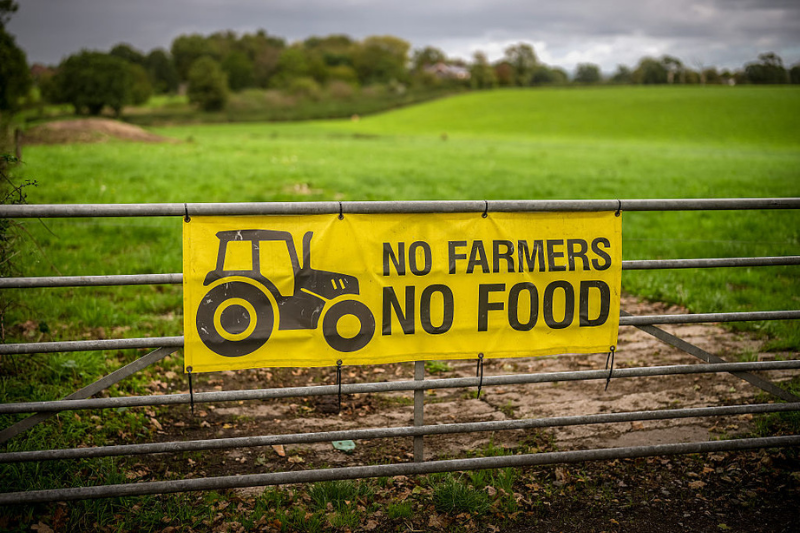
However, as the report sets out, not everything is quite yet lost. Some aspects of the initial positive hopes for a Green Brexit have survived, with the sandeel fisheries ban showing environmental leadership and a commitment to nature-friendly farming in England delivering promising results for the future of farming.
While these are positive interventions, The Wildlife Trusts warn that without a turn away from post-Brexit environmental deregulation the UK risks failing to meet both national and international nature targets. Doing so would take the UK back to 1970 when we were branded as the “dirty man of Europe”.