









The Art of Staying Cozy Without the Cost
As the days grow shorter and the frost begins to settle on the windowpanes, most of us have one priority: keeping our living spaces warm. However, with recent news about rising energy prices, the thought of cranking up the thermostat can feel a bit daunting. The good news is that staying comfortable throughout the winter months does not necessarily mean paying a small fortune. By making a few mindful adjustments to your daily routine, you can keep your home pleasant while remaining kind to your bank balance.
The Power of a Single Degree
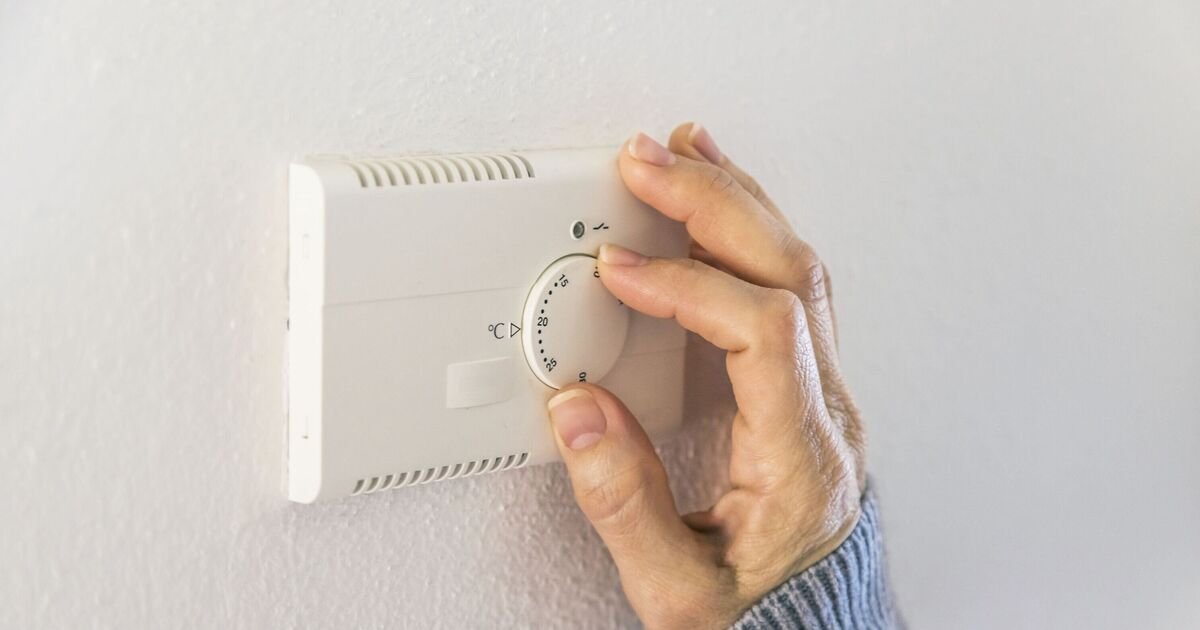
If you only do one thing this season to help your finances, make it the “one degree challenge.” It sounds almost too simple to be effective, but the math behind it is quite compelling. By lowering your room thermostat by just one degree—perhaps moving it from 22°C to 21°C—you can see a noticeable reduction in your annual heating expenditure.
Many of us grew up in homes where the thermostat was set to a specific number out of habit, but rarely do we check if we actually need that level of heat. The trick is to treat the thermostat like a precision tool rather than a quick-fix button. If you are sitting in the living room, a slightly lower temperature might not even be noticeable if you have a comfortable blanket or a warm jumper nearby. Remember, the thermostat is designed to reach your target temperature regardless of how cold it is outside; it just works more efficiently when you give it a reasonable target to hit.
Smart Radiator Management
Not every room in your home serves the same purpose, so why treat them all the same? If you have a guest bedroom or a utility room that is rarely used during the day, there is very little reason to keep it as warm as your main living space. Adjusting the radiator valves in these quieter rooms can lead to significant savings over the course of a winter.
Additionally, take a look at where your furniture sits. If you have a heavy sofa or a tall bookshelf pressed directly against a radiator, you are essentially paying to heat the back of your furniture rather than your room. By shifting items just a few inches away, you allow the warm air to circulate freely. This simple physical change helps your heating system do its job much faster, preventing the need to keep the system running for longer periods.
Mastering Your Timing
A heating system running in an empty house is a classic example of wasted resources. It is easy to set a timer and forget about it, but your schedule likely changes from week to week. Take a few minutes on a Sunday evening to review your heating timers. If you know you are out at work or running errands during specific hours, adjust your schedule so the heating kicks in shortly before you arrive back home.
It is also worth noting that you do not need to turn the heat up higher just because it feels extra chilly outside. The thermostat will reach the desired temperature eventually; boosting the setting only forces the boiler to work harder than necessary. Keeping your timers aligned with your actual presence in the house is a foolproof way to ensure you are only paying for warmth you actually get to enjoy.
Seal the Gaps and Embrace the Layers
The final piece of the puzzle is maintaining the heat you have already paid to generate. We often lose a surprising amount of warmth through tiny gaps around window frames or underneath doors. A quick walk around your home to check for drafts can be a productive weekend project. Simple draught-proofing strips or a well-placed door snake can make a room feel noticeably warmer without touching the dial.
Furthermore, do not underestimate the effectiveness of your window treatments. As soon as the sun goes down, pull your curtains or close your blinds. These barriers act as an extra layer of insulation, keeping the warmth trapped inside and preventing the cold glass from chilling the air in your rooms. When you combine these small physical habits—sealing gaps, closing curtains, and choosing a cozy sweater over a higher thermostat setting—you create a home that feels warm and inviting, even when the budget is tighter than usual. Making these small adjustments now will help you navigate the winter months with a bit more peace of mind.
Disclaimer: This content is auto-generated for informational purposes only.
Source: Read Original News