








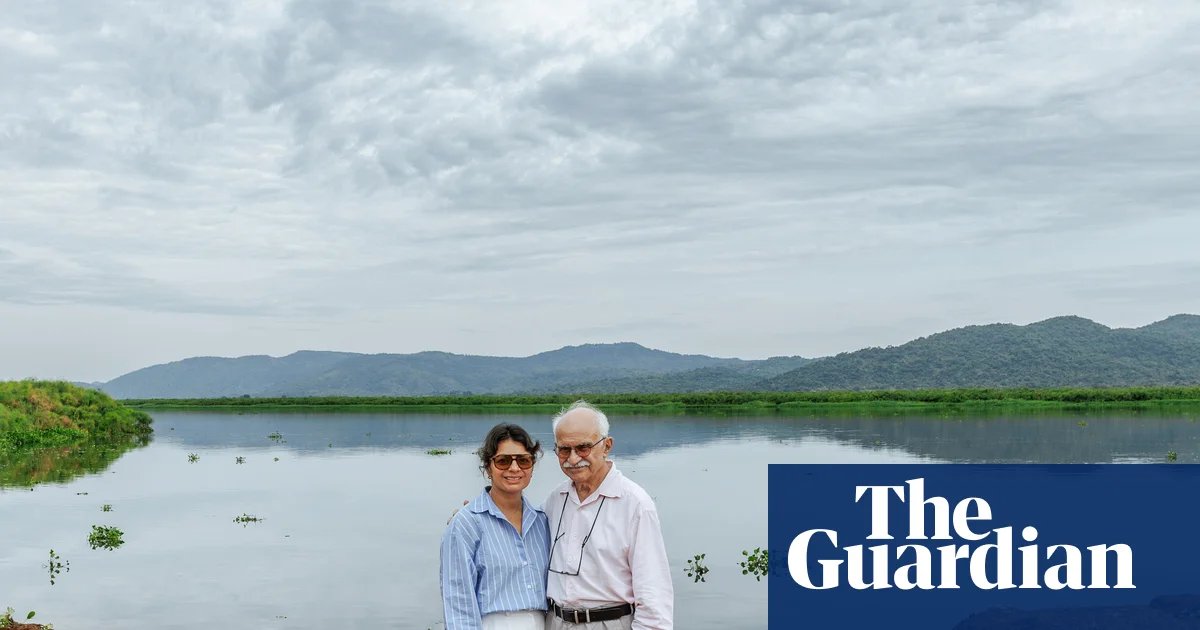
The Art of the Generational Return
Traveling with a parent is rarely a simple vacation. When you add the layer of returning to a birthplace marked by deep personal history and past hardship, the stakes change entirely. For many, the idea of going back to where their family originated is a powerful, almost magnetic pull. Whether you are retracing your parents’ steps or discovering your own cultural roots, these trips are about more than just sightseeing; they are about connecting the dots of your identity.
Planning a trip to your family’s ancestral home requires a shift in pace. It is not about hitting every tourist destination on the map; it is about leaving space for the unexpected. If you are preparing for such a journey, prioritize building a flexible schedule. You might plan for a specific landmark, but be ready to detour when you stumble upon a local market, a familiar street name, or a conversation with a resident that opens up a flood of memories you hadn’t anticipated.
Practical Caretaking on the Road
When traveling with elderly family members, the role of the caregiver often shifts. If you find yourself in the position of being the navigator and protector, start by being honest about physical needs. Don’t wait for your travel companion to admit they are tired or hungry. Proactive hydration, regular breaks, and constant communication about walking distances or terrain can prevent burnout.
Packing for a trip to a different climate or environment should be done with comfort in mind. Bring familiar items that provide a sense of stability, such as specific snacks, trusted medications, or even a preferred travel pillow. Remember that for an older traveler, the stress of the journey can often be more taxing than the destination itself. By removing the small pressures—like navigating complex transit or finding reliable food—you allow them the space to engage with the environment on their own terms, rather than worrying about the logistics of the day.
Finding Joy in New Connections
The most rewarding part of returning to a family’s origin is often the people you meet. Cultural immersion isn’t found in hotels; it is found in the communal spaces where life actually happens. Engaging with local residents—shopkeepers, teachers, or those working in the community—can bridge the gap between “visitor” and “guest.”
Even if you don’t speak the local language or know the history as well as your elders, simply showing interest in their daily lives goes a long way. Whether it’s sharing a meal, asking about the local craft, or learning about a project in the area, these exchanges add a layer of depth that a guidebook can never provide. These moments often become the highlight of the trip, turning a “search for the past” into an experience of present-day community.
Documenting Memories Without Losing the Moment
In our modern age, there is a tendency to view everything through a lens, trying to capture every scene for later. However, there is a delicate balance between documenting the past and living in the present. If you are on a trip meant to uncover family history, prioritize the recording of stories rather than just high-definition video.
Ask questions, but learn when to let the silence sit. Sometimes, the most important parts of a family story are found in what isn’t said, or in the physical reaction to a place. Bring a small notebook for names, dates, and locations you hear along the way, but leave the camera in your bag for the significant, quiet moments. You will likely find that your memory of the way your parent laughed or the look on their face when they revisited an old neighborhood is worth far more than a hundred static snapshots.
Returning Home with a New Perspective
The goal of a trip like this is not necessarily to “rewrite” the past or fix old hurts. It is often simply to witness the landscape of your own origins. Returning home brings a shift in how you view your daily routines. You might look at your pantry, your workspace, or your local community with a different set of eyes.
When you return, give yourself time to decompress. The act of returning is the final piece of the puzzle. It grounds the stories you grew up with in reality, giving you a clearer sense of the journey your family took to reach where they are today. Whether or not you uncover major secrets or find every childhood home, the act of showing up is the true success. You aren’t just visiting a place; you are honoring the resilience it took to move forward.
Disclaimer: This content is auto-generated for informational purposes only.
Source: Read Original News