









Election Day marked a significant turning point for environmental policy in the United States, as voters across the country signaled a strong preference for the protection of water, land, and community integrity. While the political landscape remains polarized, the results have effectively empowered a coalition of Democratic lawmakers and local officials poised to act as a substantial check on federal environmental rollbacks.
At the federal level, the shift in control within Congress provides a new mechanism to influence agency budgets and permitting decisions for major infrastructure projects. This legislative authority is expected to complicate the current administration’s deregulatory agenda, particularly regarding the U.S. Army Corps of Engineers and the Environmental Protection Agency. For instance, a Democratic-led Congress is widely expected to push back against efforts to rescind long-standing protections for roadless wilderness on federal forest lands and to block legislative attempts to permit mining operations near the Boundary Waters Canoe Area Wilderness in Minnesota.
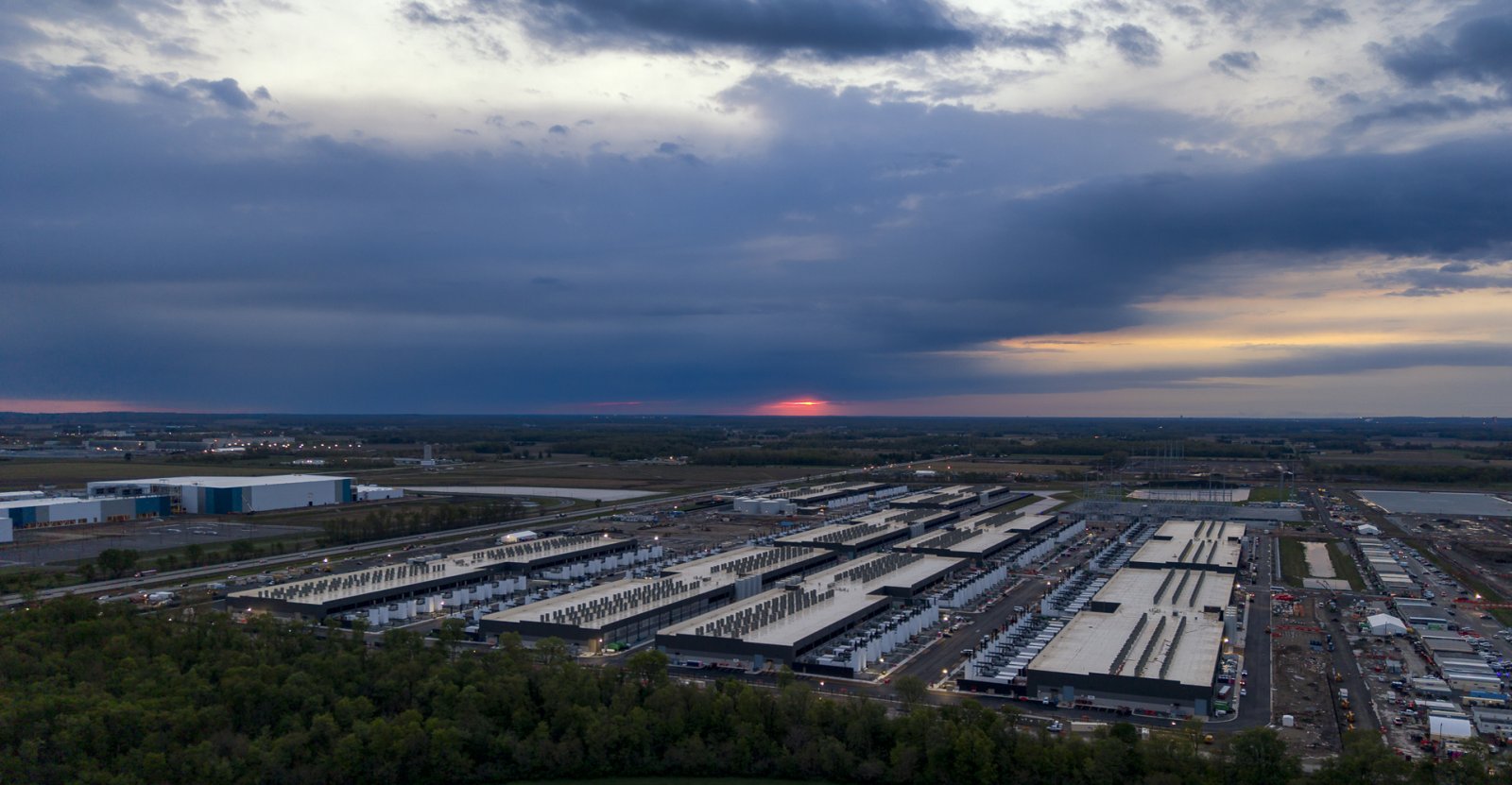
State-level results provided perhaps the most visible indicator of public sentiment, specifically regarding the rapid, often controversial, expansion of data centers. Of 41 ballot measures nationwide aimed at curtailing or halting these energy- and water-intensive facilities, 40 were approved by voters.
The movement was particularly pronounced in the Great Lakes region. In Ohio, voters across 18 jurisdictions advanced a series of restrictions, including outright bans and strict capacity limits on new developments. The intensity of this opposition was highlighted in Piqua, where voters not only approved a charter amendment to ban large data centers but also recalled three city commissioners who had previously voted in favor of a major project. Similar actions occurred in Illinois, with voters in Urbana choosing to recall their mayor and approve a moratorium on data center construction.
Governors-elect in Michigan and Minnesota have campaigned on platforms that prioritize water security and greater oversight of industrial energy consumption. These administrations are expected to mandate that developers disclose their water and power usage, marking a shift toward greater corporate accountability in the digital infrastructure sector.
While the trend toward environmental advocacy was widespread, it did not reach every corner of the country. In Iowa, water quality activist Chris Jones fell short in his bid for agriculture secretary. However, his campaign successfully shifted the narrative of the state’s election cycle, elevating concerns regarding the state’s water pollution and its documented links to rising cancer rates to the forefront of the public discourse. Ultimately, the broader Democratic successes in the state—including victory in the governor’s race—suggest that the mandate for clean water remains a potent political force regardless of a single race’s outcome.
Financial support for conservation also saw a surge. Twenty of 22 major conservation funding measures passed nationwide. Rhode Island voters approved a $55 million bond aimed at watershed protection, while seven Florida counties passed initiatives to safeguard wildlife habitats and improve water quality. In Michigan, voters in multiple counties approved property tax measures to generate millions annually for park acquisition, river restoration, and the preservation of open space.
The formation of “political trifectas”—where one party controls the governorship and both legislative chambers—has expanded in 22 states, including Arizona, Nevada, and Wisconsin. This alignment provides a direct path for these states to accelerate renewable energy mandates and tighten air quality standards. Furthermore, in Michigan, the passage of Proposal 2, which restricts monopoly utilities from donating to their own regulators, represents a structural reform aimed at reducing the influence of private interests over public resources.
As the political dust settles, the collective impact of these local and national results suggests a strategic shift in American resource management. By reclaiming authority at the ballot box, voters have effectively signaled that the era of unfettered industrial expansion—particularly at the cost of shared natural domains—faces a new and formidable era of oversight.
Disclaimer: This content is auto-generated for informational purposes only.
Source: Read Original News