







Beijing’s Multi-Front Strategy to Stifle India’s Rise: US Congressional Report
A high-level report from the US-China Economic and Security Review Commission has delivered a stark assessment of the geopolitical landscape, warning that China is systematically attempting to obstruct India’s emergence as a global power. The annual document outlines a sophisticated strategy by Beijing that utilizes military intimidation, support for regional rivals, and economic sabotage to keep New Delhi’s growth trajectory in check.
A Two-Pronged Military Threat
The commission highlights that China’s regional strategy remains fundamentally hostile. By maintaining persistent pressure along the Line of Actual Control (LAC)—and increasingly seeking to stir unrest along the Arunachal Pradesh border—Beijing is successfully forcing New Delhi to divert significant financial and administrative resources away from domestic development and maritime modernization.
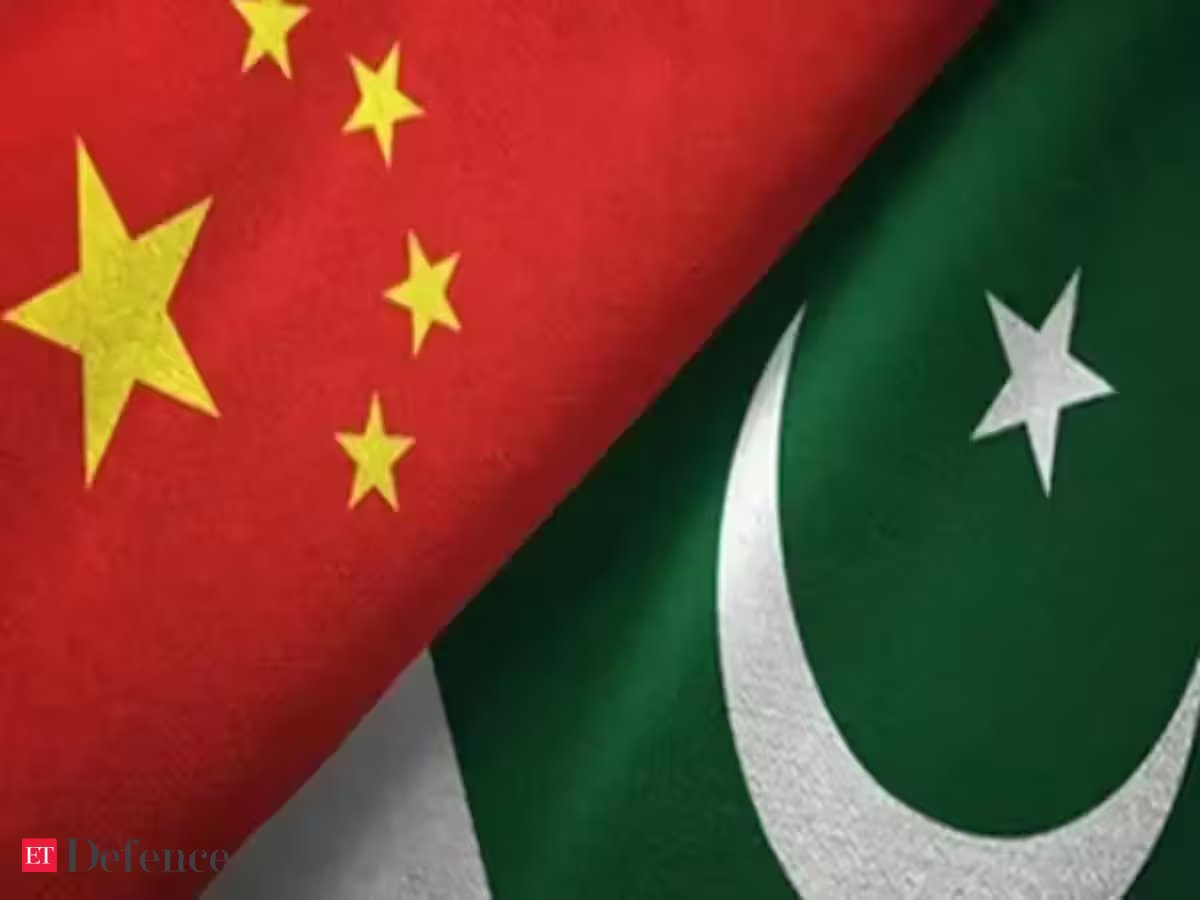
Furthermore, the report underscores Beijing’s strategic backing of Pakistan as a mechanism to destabilize India without direct military engagement. Citing historical instances of technical and engineering assistance to Islamabad, the commission notes that China leverages this partnership to keep India preoccupied with its western neighbor, effectively pinning down Indian forces across multiple fronts.
Economic Warfare and Industrial Sabotage
Beyond borders, the report identifies China’s economic leverage as its most potent weapon. Beijing is reportedly stifling India’s ambitions to become a manufacturing hub by controlling essential industrial inputs. According to the findings, China has actively restricted the flow of critical engineers, equipment for electronics manufacturing, and rare-earth magnets to Indian facilities.
Perhaps most concerning is Beijing’s use of predatory pricing. The report notes that Chinese producers have slashed costs on key pharmaceutical ingredients by up to 50%, a calculated move to undercut India’s production-linked incentive schemes and prevent the country from developing its own domestic supply chain. By maintaining a stranglehold on these technologies, China aims to ensure India remains dependent on its northern neighbor for industrial survival.
The Gap Between Intent and Execution
While the report advocates for deeper US-India cooperation—suggesting initiatives like pharmaceutical diversification and intelligence sharing regarding maritime threats—it does not shy away from criticizing the current state of bilateral ties. The commission notes a widening chasm between the political will of Washington and New Delhi and the actual implementation of strategic goals.
Ambitious defense and technology deals have been hampered by bureaucratic inertia. The commission pointed to the long-delayed GE-HAL F414 engine project as a prime example of how procurement rules, export controls, and lingering US concerns over India’s defense relations with Russia have stalled progress. Despite high-level agreements, the report argues that institutional hurdles continue to impede the promised synergy between the two nations.
Recommendations for a New Path
To counter these mounting pressures, the commission has urged the US government to prioritize systemic changes. Its recommendations include bolstering maritime surveillance to push back against China’s growing presence in the Indian Ocean and implementing succession planning frameworks to safeguard the integrity of the Dalai Lama’s position.
As Beijing accelerates its military logistics, including the expansion of railways and airfields near the Indian border, the report concludes that the window for decisive action is narrowing. For India, the challenge lies not only in balancing its border security but in overcoming the structural hurdles that prevent it from fully capitalizing on its strategic partnerships.
Disclaimer: This content is auto-generated for informational purposes only.
Source: Read Original News