








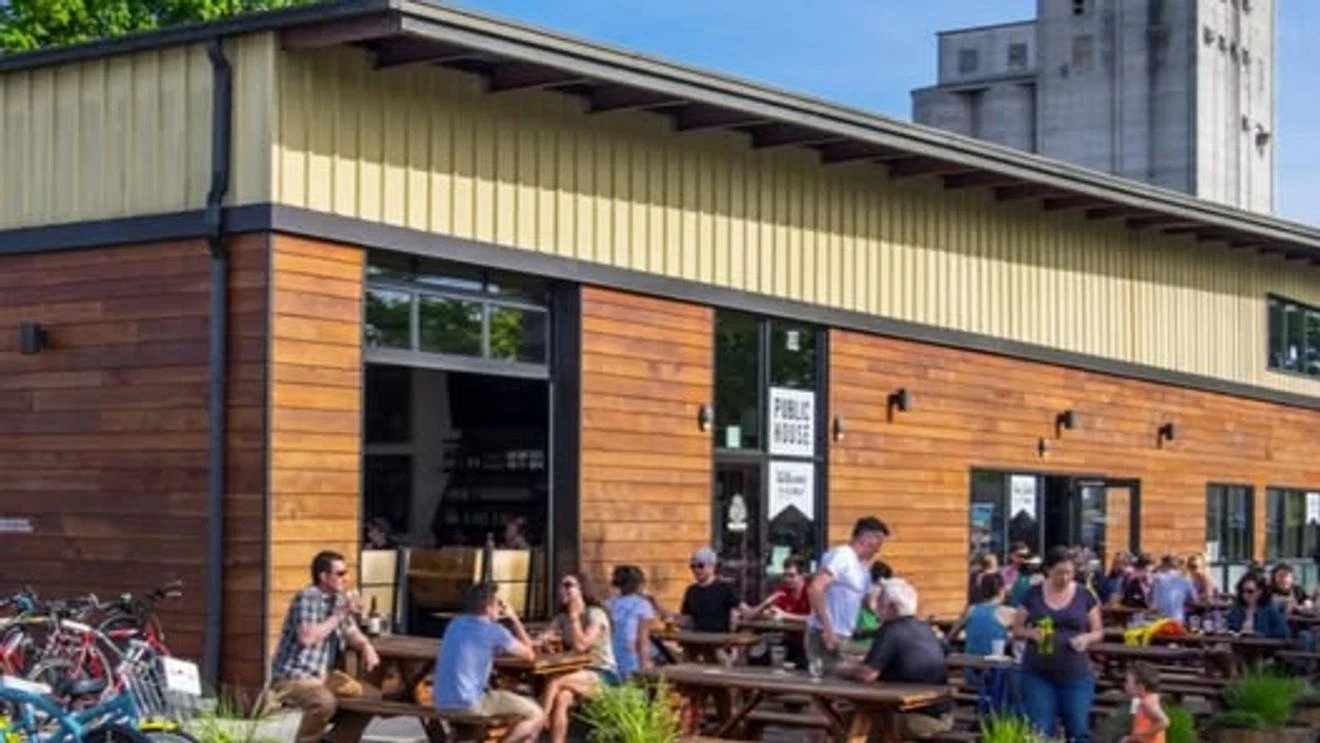
The craft beer landscape in the Pacific Northwest is undergoing a seismic shift as Oakshire Brewing, a staple of the region’s artisanal beverage scene for two decades, announces it will cease operations. The closure marks the end of an era for the beloved institution, highlighting a broader trend of economic instability affecting small businesses in the post-pandemic era. Despite attempts to pivot and streamline operations, the brewery ultimately fell victim to a confluence of rising overhead, shifting consumer habits, and an increasingly crowded marketplace.
The Final Call: A Timeline of Closures
The wind-down of operations is being executed in phases across the company’s three primary locations. Springfield’s Oakshire Commons is slated to pour its final pint on Sunday, Sept. 27, followed by the permanent closure of the Beer Hall in Northeast Portland on Wednesday, Sept. 30. While the Public House in Eugene remains open for the time being, management confirmed that a final date will be established once logistical arrangements with their onsite food cart vendors are finalized.
Despite the looming shuttering of its retail footprints, the company noted that production will continue temporarily. “Our brewers will continue packaging the beer we have in tank,” the company stated in an official release. For its swan song, Oakshire intends to proceed with its 20th-anniversary celebration on Saturday, Oct. 3. What was originally planned as a milestone party will now serve as a final gathering, offering patrons a chance to toast to two decades of community and craftsmanship.
Tech and Data Trends in the Beverage Industry
The collapse of a legacy brand like Oakshire serves as a sobering case study for the food and beverage industry, which is increasingly reliant on digital transformation to survive. As Google continues to refine its search and discovery algorithms, breweries have become heavily dependent on Google Maps, Business Profile reviews, and AI-driven local search rankings to drive foot traffic. For businesses like Oakshire, the challenge has been keeping pace with an “always-on” digital expectation.
Data from the tech sector suggests that consumer behavior has shifted dramatically over the past four years. Modern drinkers are not only prioritizing convenience—leveraging apps for delivery and real-time inventory updates—but are also turning to AI-integrated platforms to discover niche experiences. The competitive pressure from high-tech marketing tools and hyper-localized SEO strategies has made it difficult for traditional craft institutions to compete with larger distributors or tech-forward hospitality startups that can analyze real-time consumer data to adjust pricing and menu offerings on the fly.
The Broader Impact of Economic Headwinds
Oakshire’s decision to close follows a painful period of reassessment. The company noted that it “worked hard to adapt,” implying a struggle to reconcile traditional brick-and-mortar brewing models with the financial fallout of the pandemic and subsequent inflation. Rising supply chain costs for raw materials like grain, hops, and aluminum cans, combined with increased labor expenses, have created a “perfect storm” for independent brewers.
Furthermore, the social fabric of the hospitality industry has evolved. Recent trends observed in search data and consumer spending show a decline in traditional “third space” gatherings, as remote work patterns and increased reliance on home-based entertainment have eroded the reliable midweek taproom traffic that many breweries previously relied upon.
As Oakshire prepares to pull its final taps, the industry watches closely. The closure is not just a loss for the local communities in Springfield, Portland, and Eugene; it is a signal that even the most established players must navigate a rapidly evolving digital and economic ecosystem. For those who built the craft beer movement, the struggle to maintain profitability in a high-tech, high-cost world remains the greatest hurdle of the decade.
Disclaimer: This content is auto-generated for informational purposes only.
Source: Read Original News