The Hidden Detail on Your Car That Keeps You Safe
We spend a lot of time thinking about our cars in terms of aesthetics. We wash them, wax them, and maybe even add a few accessories to make the interior feel more like home. But when it comes to the actual mechanics of keeping the vehicle safe on the road, most of us tend to leave it to the professionals during the annual service. However, there is a tiny, four-digit detail on the side of every tyre that you can easily check yourself in less than a minute. It is a simple piece of detective work that could save you from unnecessary stress or a breakdown on your next trip.
Decoding the Mysterious Four-Digit Stamp
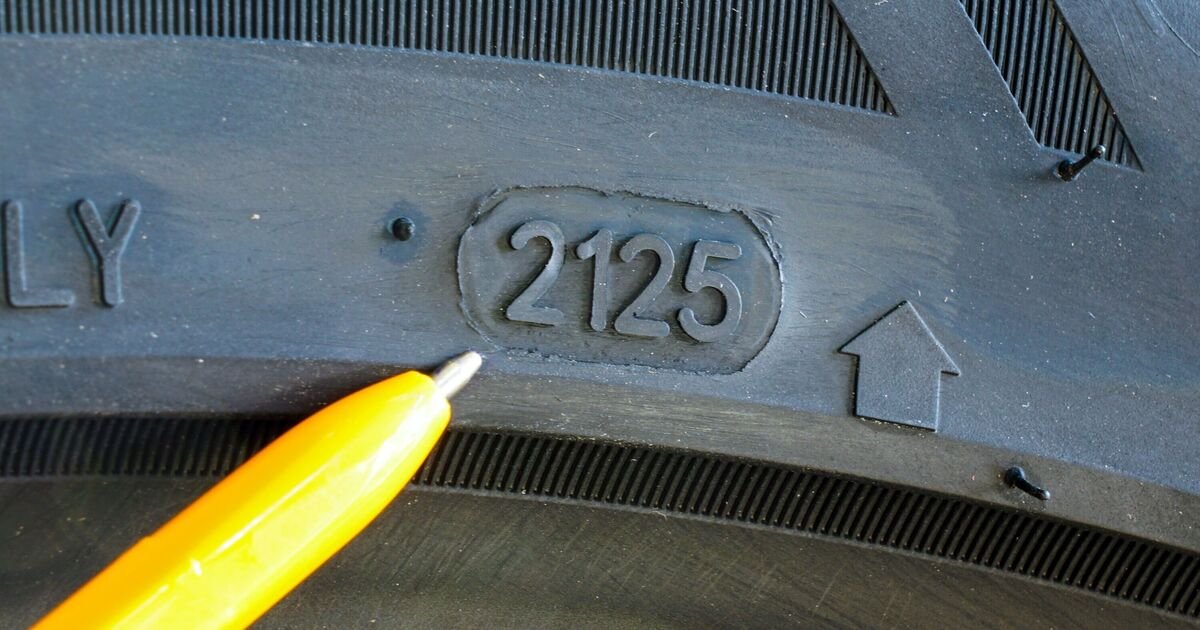
If you crouch down next to your car, you will see a series of numbers and letters embossed into the sidewall of each tyre. While a lot of that information looks like a foreign language, there is one specific code that tells a very important story: the date of manufacture. Since the year 2000, manufacturers have included a four-digit stamp that reveals exactly when that rubber was created.
The logic is straightforward once you know how to read it. The first two digits represent the week of the year, and the last two digits represent the year itself. For example, if you see the numbers 1222, it means the tyre was made in the 12th week of 2022. It is like a birth certificate for your wheels. Knowing this date is particularly useful if you have recently bought a used car and are not quite sure how long the tyres have been sitting on the rim.
Why Age Actually Matters for Your Drive
You might be wondering why a tyre’s birth date even matters if the tread looks fine. The reality is that rubber is an organic material that changes over time. As it ages, it goes through a process where it loses its inherent flexibility. Think of it like a rubber band that has been left in the sun for too long; it eventually becomes brittle and stiff.
When rubber gets hard, it loses its ability to grip the road effectively, especially in wet or cold weather. If you are driving on tyres that have reached a ripe old age, you might notice that your stopping distance increases or that the car feels less responsive when cornering. While age is not the only factor, it is a crucial piece of the puzzle when you are assessing whether your car is ready for a long road trip or a daily commute.
What to Look for Beyond the Date
While that four-digit code is a helpful starting point, it is not the only thing you should keep an eye on. Experts often stress that the condition of the rubber is just as vital as its age. When you are doing your manual check, run your eyes over the sidewalls for any signs of cracking or small splits. Even if the tyres are relatively new by the date code, environmental factors like exposure to extreme heat, heavy UV rays, or just sitting stationary for long periods can cause the surface to deteriorate.
If you spot microscopic cracks or if the rubber feels particularly hard to the touch, it is worth having a professional take a look. A tyre that is only three years old but has been neglected will likely perform much worse than a five-year-old tyre that has been well-maintained and driven regularly.
Keeping Your Car Healthy for the Long Haul
Maintaining your tyres is one of the easiest ways to practice proactive wellness for your vehicle. As a general rule of thumb, front tyres typically last for about 20,000 miles, while rear tyres can often push toward 40,000 miles depending on your driving style and the type of vehicle you own.
Regular maintenance goes beyond just checking the tread depth. Keep an eye on your air pressure, as running on under-inflated tyres can cause them to wear out unevenly and prematurely, regardless of their age. By staying observant and checking that four-digit code every few months, you are taking charge of your safety and making sure that every drive remains smooth, predictable, and secure. It takes very little effort, but the peace of mind you gain while behind the wheel is worth every second spent in the driveway.
Disclaimer: This content is auto-generated for informational purposes only.
Source: Read Original News