







Wellington was painted in strokes of brilliance and a touch of heartbreak on Saturday as Shubman Gill commanded the crease with the poise of a seasoned veteran. In a display of masterful batting that dismantled the New Zealand attack, the Indian skipper anchored his side through a pivotal Day 2, coming agonizingly close to a maiden Test century on Kiwi soil. Yet, beneath the technical mastery and the soaring run rate, the narrative remained deeply personal—a story of a son, a captain, and the silent, supportive presence of a father in the stands.
The Ritual of the White Kurta-Pyjama
For Shubman Gill, batting is not merely a technical exercise; it is a ritual performed in the presence of his greatest supporter. Even amidst the raucous atmosphere of an international Test match, Gill possesses an uncanny ability to scan the kaleidoscope of the crowd and lock eyes with his father, Lakhwinder Gill.
Lakhwinder, easily recognizable in his signature white kurta-pyjama, has become a fixture in his son’s professional life. On this particular Saturday, the game of “hide and seek” in the stands took on a tactical dimension. As the Wellington winds picked up and the temperatures plummeted, the elder Gill was forced to move from his initial vantage point behind the bowler’s arm to the more sun-drenched benches near the museum.
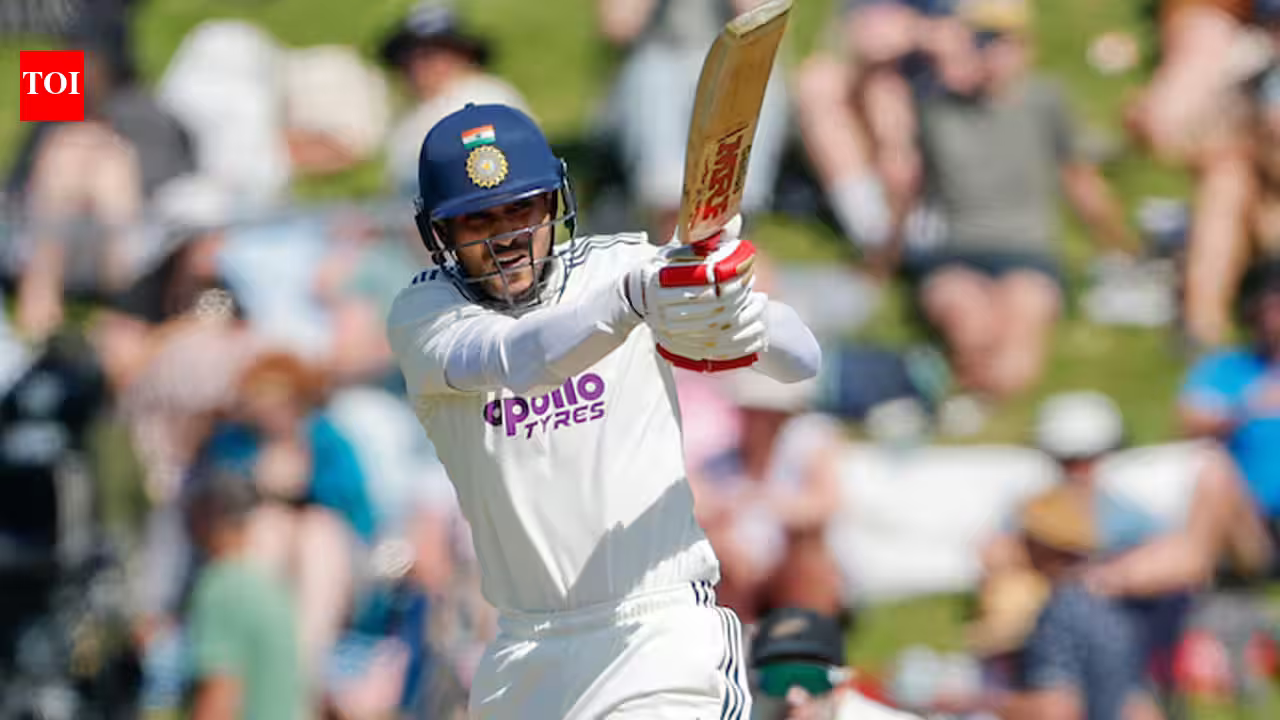
Throughout the morning session, as the mercury dipped, the Indian captain seemed aware of his father’s shifting position. When Gill finally reached his half-century with a thunderous pull shot, he didn’t just celebrate for the record books. He raised his bat toward the museum benches, acknowledging the white-clad figure who had braved the cold to witness the masterclass. It is a quiet, rhythmic connection that keeps the captain grounded while the world watches on.
A Masterclass in Controlled Aggression
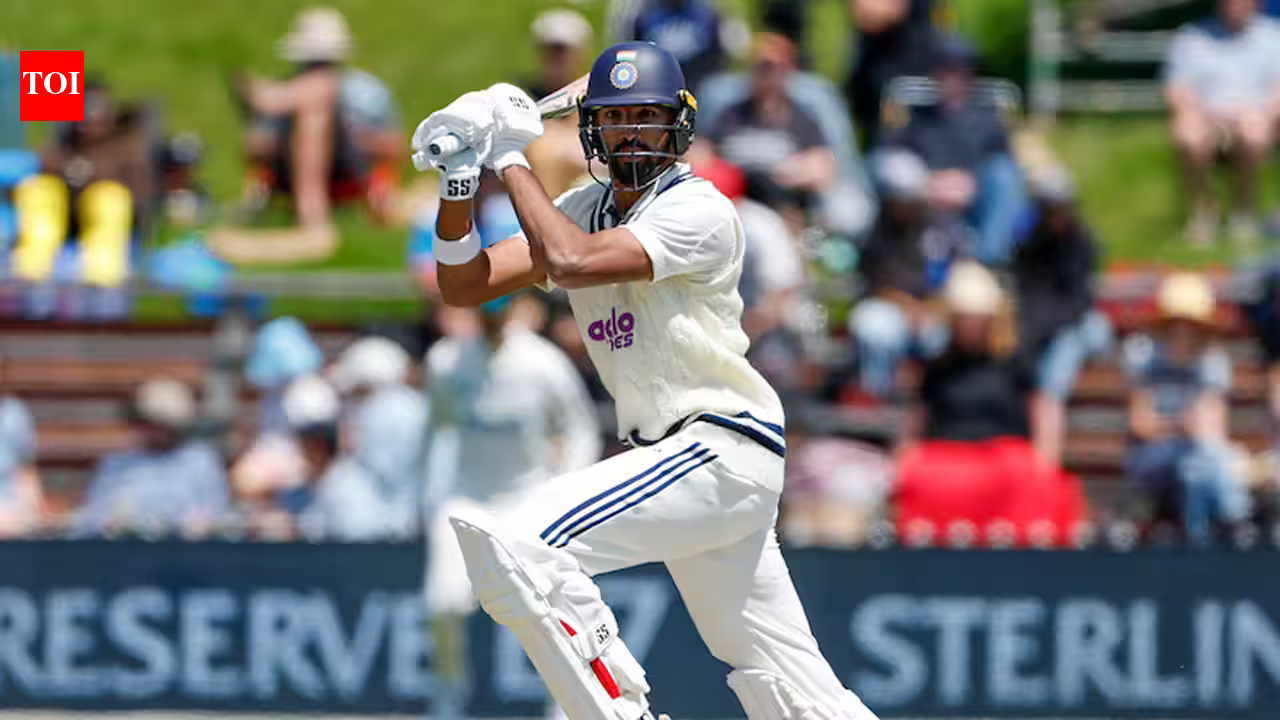
Beyond the emotional backdrop, Gill’s performance at the crease was nothing short of elite. Facing a New Zealand bowling unit desperate for a breakthrough, Gill played with a calculated urgency that kept the scoreboard ticking without ever appearing rushed.
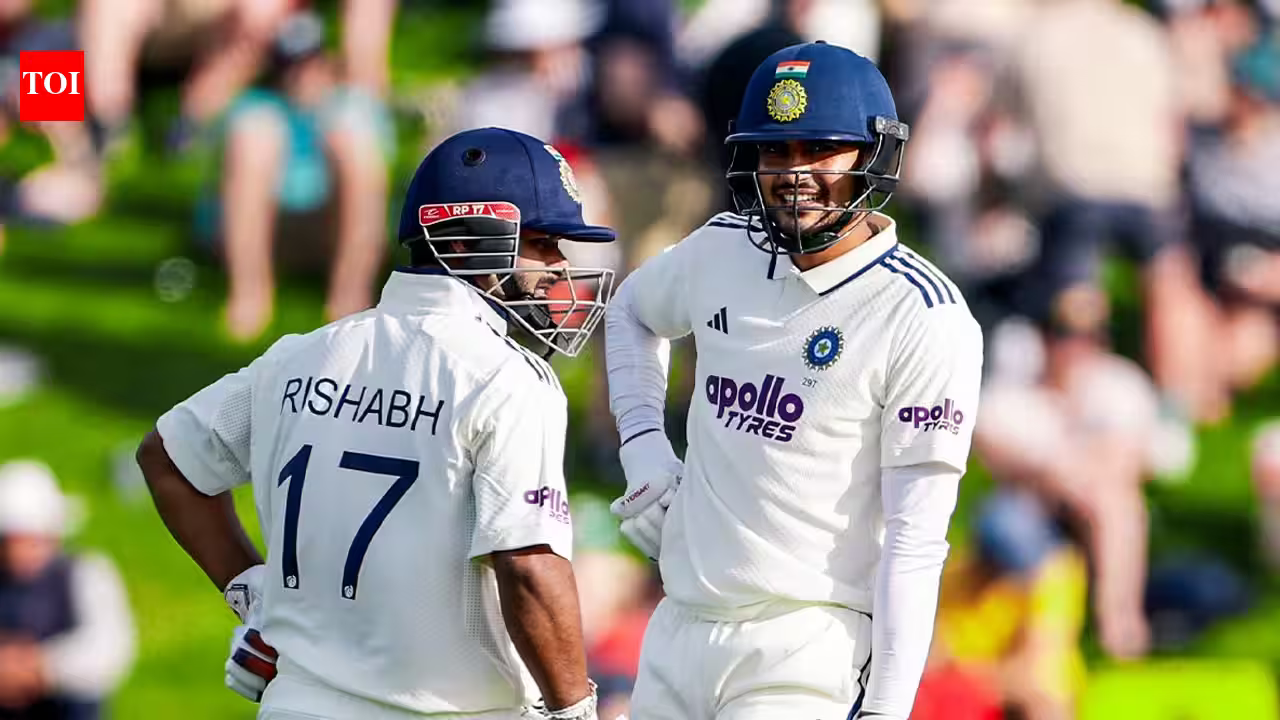
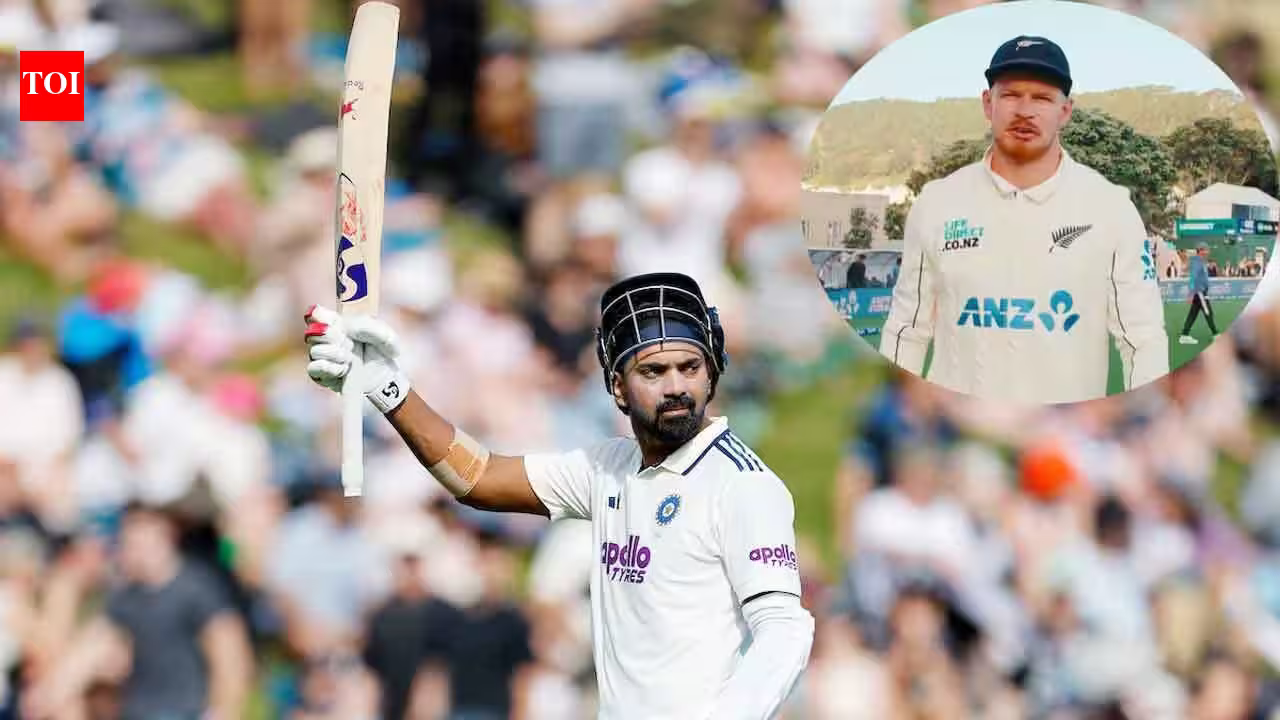
His innings, which spanned 146 deliveries, was a masterclass in rotation and strike management. He shared a gritty 91-run partnership with KL Rahul to stabilize the innings after the early exchanges, before shifting gears in a high-tempo, 100-run stand with Rishabh Pant. The contrast in styles between the two was electric; while Pant provided the fireworks, Gill acted as the metronome, bisecting the field with surgical precision.
New Zealand’s tactical response was clear: they attempted to lay a “double trap.” By positioning two catchers on the offside to invite mistimed drives, while simultaneously packing the field for the hook and pull, the Black Caps hoped to lure the captain into a lapse in judgment. It was a strategy designed to manufacture a mistake, but Gill refused to bite. When the short balls arrived, he didn’t blindly pull; he created room to punch the ball through the covers or whipped it through the leg side with effortless timing.
The Anti-Climax at 98
As the innings progressed, the inevitable march toward a century began to feel like a formality. Every stroke seemed to carry the weight of an approaching milestone. Even when the umpire raised his finger for an LBW appeal, a quick consultation with an alert Rishabh Pant led to a successful review, revealing an inside edge that kept Gill’s dream alive.
However, cricket is a game that reserves its cruelest moments for the brink of glory. With the stadium poised for a celebration, an angling delivery from Jacob Duffy bypassed Gill’s defenses. The sound of the ball hitting the woodwork silenced the Indian contingent. Gill fell for 98—a score that simultaneously reflects his dominance and the small margin for error that separates a good innings from a career-defining one.
As he walked off the pitch, the frustration was visible on the captain’s face. It was not just the loss of a century, but the loss of an opportunity to mark his first hundred in New Zealand with a signature salute to the stands.
Looking Ahead to Christchurch
Lakhwinder Gill, watching from his sun-warmed bench, felt the sting of the dismissal as deeply as his son. Yet, in the world of professional sport, there is always another sunrise and another challenge.
As the Indian contingent prepares to pack their bags for Christchurch, one thing is certain: the white kurta-pyjama will be back in the stands. The connection between the father and his captain son remains unbroken, a constant in the ever-changing landscape of international cricket. Gill may have missed the century this time, but his composure and technical refinement suggest that the triple-digit milestone is not a matter of “if,” but “when.” For now, the Indian captain heads to the next venue knowing that whether he stands at the crease or sits in the dressing room, the most important spectator in the stadium will be exactly where he is meant to be.
Disclaimer: This content is auto-generated for informational purposes only.
Source: Read Original News