




Can Red Light Therapy Actually Improve Sleep Quality?
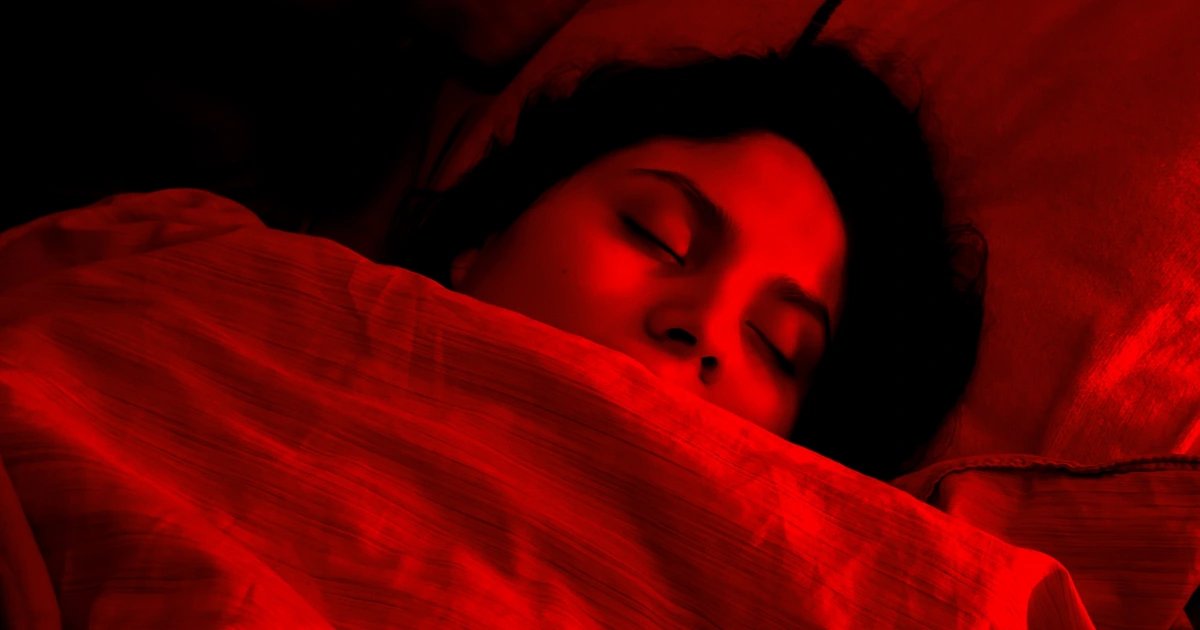
Red light therapy has transitioned from specialized clinical settings into the mainstream consumer wellness market. While often associated with skin rejuvenation and muscle recovery, a rising interest in using red light as a nighttime tool suggests it may play a role in circadian health. Unlike the harsh blue-spectrum light emitted by modern smartphones and computer monitors, red light operates at a different wavelength that is far less disruptive to the body’s natural production of melatonin.
Sleep experts emphasize that while red light is not a substitute for medical treatment for chronic insomnia, it serves as an effective biological signal. Because the human brain uses light exposure to calibrate the internal circadian clock, the absence of blue light in the evening is critical. By replacing high-energy blue or white light with low-intensity red light during the wind-down period, individuals can prevent the brain from receiving a false “daytime” signal. Current research suggests this may improve overall sleep quality, though it is not yet considered a definitive cure for sleep duration issues or frequent nighttime awakenings.
Selecting the Right Equipment for Nighttime Use
Not all products labeled as “red light” are manufactured to the same technical specifications. For consumers looking to integrate this technology into a bedroom environment, distinguishing between decorative red bulbs and therapeutic-grade devices is essential.
Therapeutic red light typically falls within the 600 to 800-nanometer range. Products like the Helight Sleep device, for example, are engineered to emit a specific 630-nanometer wavelength designed to support relaxation without the intensity of a standard reading lamp. When shopping for these products, prioritize features such as adjustable dimming, integrated timers, and auto-shutoff capabilities. Devices that provide a 14-to-30-minute fade-out period allow the user to transition into darkness gradually, which is a major advantage for those prone to leaving lights on accidentally.
Practical Implementation and Nighttime Hygiene
The utility of red light is largely determined by how it is implemented within a pre-sleep routine. Sleep specialists suggest that red light should be utilized during the 30 to 60 minutes immediately preceding sleep. During this time, the lighting should be kept at a low-intensity setting to minimize stimulation.
One effective strategy involves using red light as a “safety” light for nighttime activity. Replacing standard hallway or bathroom nightlights with red-spectrum options ensures that if one wakes up during the night, they can navigate without triggering the wakefulness response that blue light inevitably causes. However, it is vital to remember that the bedroom environment should ideally be completely dark during the actual sleep period. Consequently, devices with programmable timers that power off completely are superior to static lamps that remain lit throughout the night.
Understanding the Role of Wavelength and Light Intensity
The biological impact of light is heavily dependent on wavelength. Blue light, which is prevalent in LED screens and overhead office lighting, suppresses melatonin effectively because it mimics the spectrum of sunlight at midday. Conversely, red light has a lower frequency and longer wavelength, which does not trigger the light-sensitive retinal cells responsible for inhibiting melatonin production.
When choosing between devices, consumers should check the technical documentation for the specified nanometers. A simple red-tinted bulb may filter out some blue light, but a device specifically marketed for sleep therapy usually targets the 625-to-670-nanometer range. This precise calibration ensures the light fulfills its purpose: providing enough illumination for visibility during evening tasks without hijacking the endocrine system’s nightly preparation for rest.
Managing Expectations and Complementary Habits
While red light therapy is a useful addition to a bedroom setup, experts warn against viewing it as a standalone solution for poor sleep hygiene. It functions most effectively when part of a broader, systemic approach to evening regulation. Dimming traditional lights throughout the home two hours before bed often yields results comparable to adding red light therapy.
Furthermore, digital habits remain the most significant variable in sleep health. Even if a user adopts red light, failing to manage screen time or maintaining an inconsistent sleep schedule will likely negate the benefits. Using red light should be considered a support mechanism that complements fundamental habits, such as reducing blue light exposure from mobile devices and establishing a consistent, dark environment for the sleep cycle to proceed uninterrupted. For those starting out, budget-friendly red-spectrum bulbs offer an accessible entry point to test whether this form of lighting improves their personal sense of nighttime recovery.
Disclaimer: This content is auto-generated for informational purposes only.
Source: Read Original News