









India’s Demographic Pivot: Why the Supreme Court is Questioning Two-Child Norms
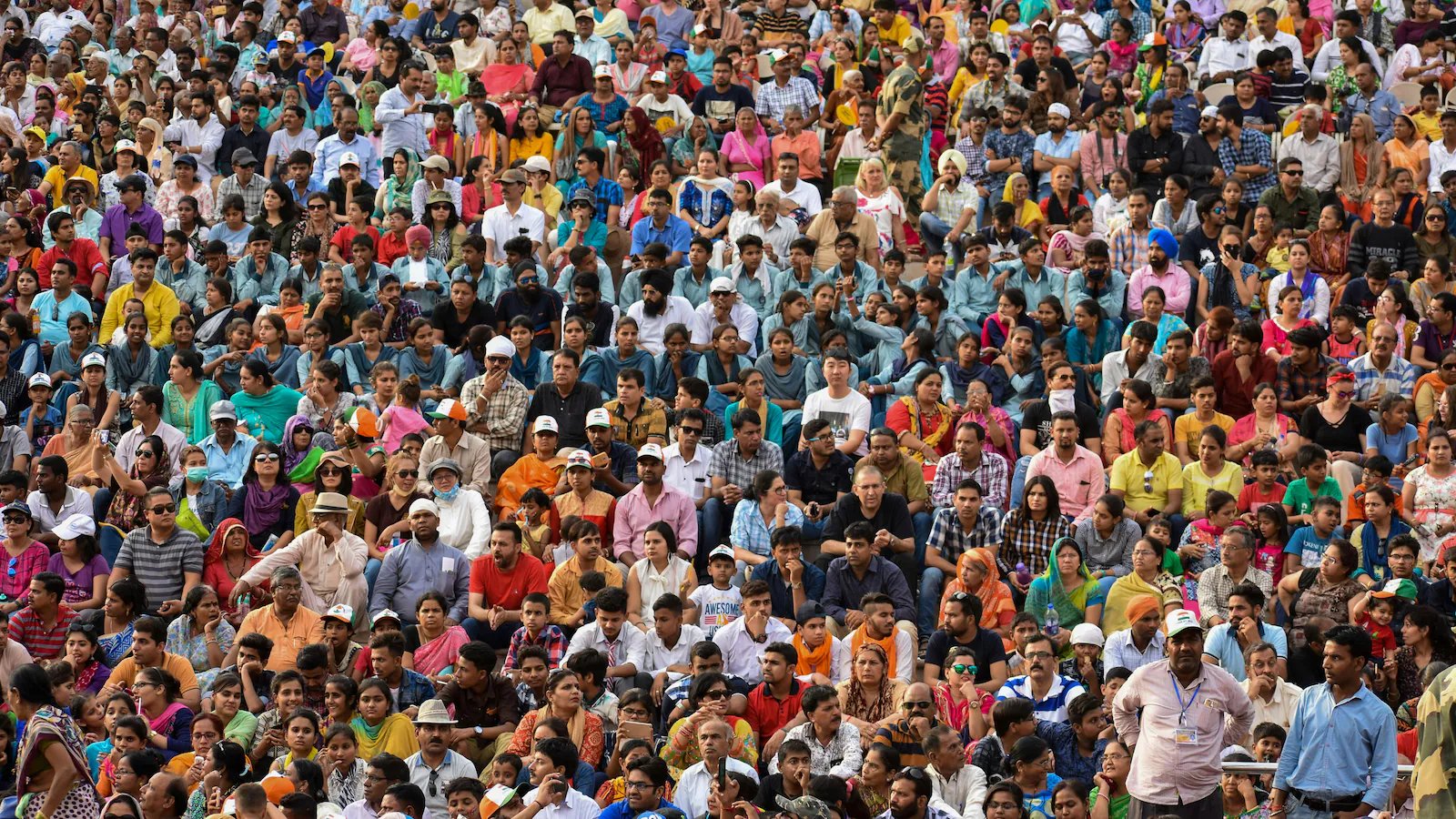
As India navigates its path as one of the world’s fastest-growing economies, a quiet but profound transformation is reshaping its social fabric. The nation, once defined by its struggle with rapid population growth, is now facing a new reality: falling fertility rates and a rapidly ageing populace. This shift has prompted the Supreme Court of India to raise significant concerns regarding the continued relevance of policies that penalize families for having more than two children.
A Legal Rethink
The Supreme Court’s recent observations stem from a case involving the disqualification of a local government representative in Maharashtra. The official had been barred from her post as a sarpanch under laws that penalize individuals with more than two children. Challenging this, the court signaled that the legal landscape, heavily influenced by the 2003 Javed vs State of Haryana ruling, may no longer align with contemporary demographic data.
With India’s Total Fertility Rate (TFR) dropping from 3.02 in 2003 to 1.9 in 2024, the country has fallen below the critical “replacement level” of 2.1. Given that the objective of such restrictive laws was to curb overpopulation, the court has now referred the matter to a larger bench, questioning whether punitive measures against larger families remain necessary or just in an era of declining births.
The Shrinking Base, The Growing Peak
The data paints a clear picture of an impending demographic transition. According to government projections, the demographic profile of the nation is tilting toward the elderly. While India currently boasts a vibrant, youthful workforce, the number of individuals aged 60 and above is expected to surge from 10 crore in 2011 to 23 crore by 2036.
In relative terms, this means the elderly segment will expand from roughly 8.4 percent of the population to nearly 15 percent in just over two decades. Conversely, the youth demographic—those under 15—is projected to contract significantly. This inversion of the population pyramid presents a unique challenge: a shrinking youth base will eventually have to support a much larger elderly population, potentially straining social welfare and healthcare systems.
Managing the Demographic Dividend
For decades, economists have championed India’s “demographic dividend”—a window of opportunity where a vast working-age population could drive unprecedented productivity. Currently, roughly 64 percent of the population falls into the 15-59 age bracket. However, this advantage is temporal. As the population matures and birth rates remain below replacement levels, the country will eventually move away from this surplus of labor.
The focus, therefore, must shift from population control to population management. Policymakers are now tasked with ensuring that the remaining years of this “dividend” are used to build a robust, skilled, and productive workforce. Increased female labor force participation, investment in high-quality education, and the creation of sustainable, high-value jobs are critical to ensuring that India’s economic growth remains resilient despite the demographic shifts.
A Diverging National Conversation
While the judiciary and modern demographic experts focus on falling fertility, the issue remains a subject of intense national debate. Some socio-political groups, including the RSS, have expressed apprehension regarding the decline in birth rates. Chief Mohan Bhagwat has previously argued that a TFR below 2.1 could threaten the long-term viability of society, suggesting that families should ideally aim for three children to maintain social balance.
As India stands at this historical crossroads, the tension between legacy population-control policies and the emerging reality of an aging nation remains palpable. The upcoming review by the Supreme Court’s larger bench will likely serve as a turning point, moving India toward a more nuanced, modern approach to demography and governance.
Disclaimer: This content is auto-generated for informational purposes only.
Source: Read Original News