








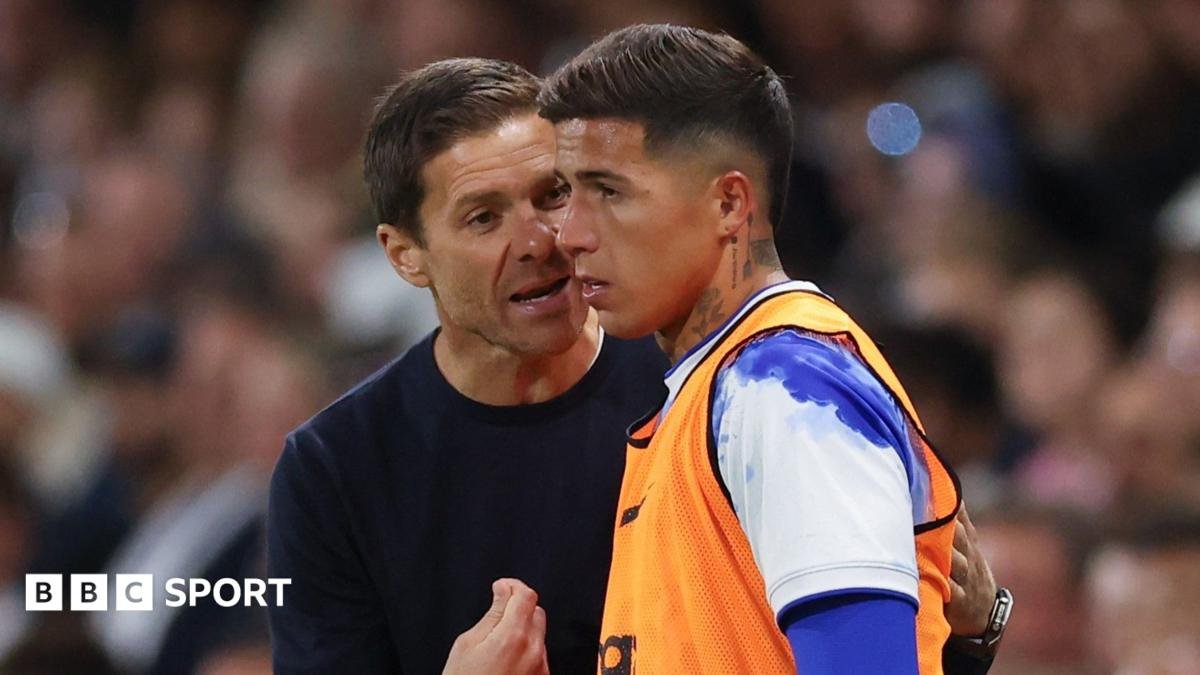
Chelsea’s difficult previous season, highlighted by an 8-2 Champions League defeat to Paris St-Germain and a 10th-place Premier League finish, served as a critical turning point for the club. Growing discontent among players and supporters, coupled with public questioning of the club’s direction, forced ownership to acknowledge that their operational model required adjustment. In response, co-owner Behdad Eghbali admitted to a need for better decision-making, leading to the appointment of Xabi Alonso as manager to provide stability and authority.
The club undertook a comprehensive review of its recruitment strategy to address persistent issues, including a poor disciplinary record, defensive lapses, and inconsistency. Concerns regarding a high turnover rate and a overly transactional dressing-room culture prompted a shift in policy. While the club remains committed to signing elite young prospects, it has pivoted to balance this youthful core with veteran leadership to provide much-needed guidance on the pitch.
To facilitate this transition, Chelsea secured experienced arrivals such as Jordan Henderson, Danny Welbeck, and goalkeeper Emiliano Martinez, marking a departure from their recent focus on youth. Players like Moises Caicedo and Reece James have committed their futures to the club, while new signings like Rogers and Lacroix bring proven Premier League pedigree. This modified strategy seeks to rectify past shortcomings while maintaining the financial efficiency that has allowed Chelsea to generate significant transfer profits, though the ultimate test remains performance on the pitch this season.
News Source: Read
original