








The Evolution of Audio Persistence in Open-World Gaming
The integration of a persistent headphone mechanic in Grand Theft Auto 6 represents more than a simple quality-of-life update; it signifies a fundamental shift in how players interact with the auditory architecture of an open-world environment. Historically, audio in the Grand Theft Auto series was tethered to physical assets. Music and talk radio were confined to vehicles or specific interior locations like safehouses. Players who ventured out on foot were traditionally subjected to the ambient noise of the city, stripping away the curated soundscape that defined their driving experience.
Recent revelations from former Rockstar Games developer Obbe Vermeji indicate that this disconnect between the player’s mobility and the game’s media library was a point of contention for designers decades ago. Vermeji confirmed that the studio explored a headphone mechanic as early as the production of Grand Theft Auto: Vice City. At that time, the design concept likely centered on a period-accurate Walkman or portable cassette player. Despite the team creating internal icons and testing rudimentary implementations, the feature was ultimately abandoned due to technical constraints within the engine architecture of the era. The hardware limitations of early 2000s consoles simply could not handle the concurrent streaming of high-fidelity radio assets while maintaining the complex geometry and pedestrian density required for the open-world map.
Bridging the Gap Between Vehicle and Pedestrian Gameplay
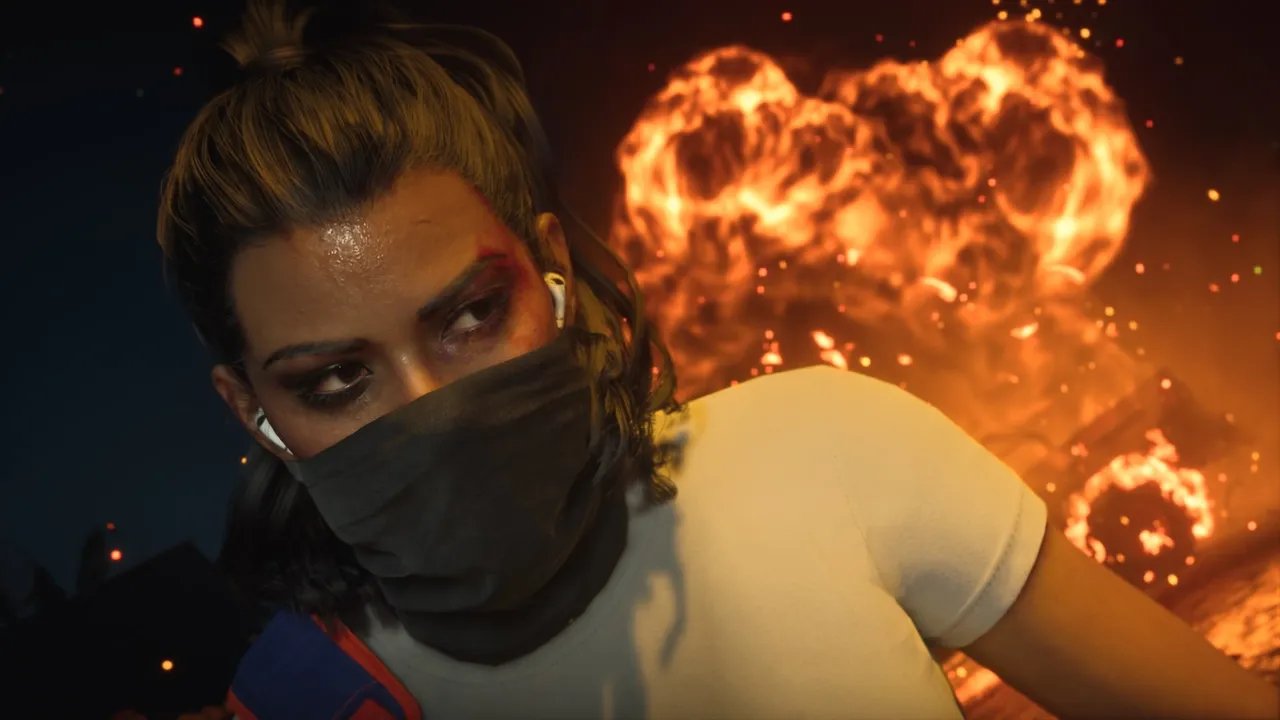
In the modern context of GTA 6, the shift to a smartphone-integrated wireless audio system marks the realization of that long-deferred design goal. By enabling the protagonist to wear wireless earbuds, the development team has effectively decoupled the audio experience from the vehicle. This change carries significant weight for gameplay pacing. Previously, stepping out of a high-speed vehicle acted as an abrupt “stop” button for the game’s narrative and musical content. Players were frequently forced to remain inside their cars to finish a specific talk radio segment or an engaging track.
By allowing this media to follow the character, the game maintains a continuous stream of engagement. The technical implementation is seamless, utilizing the player’s virtual smartphone as a localized media server. This persists across various gameplay states, whether the character is jogging through the city, engaging in athletic training, or traversing the expansive map of Leonida. The ability to listen to podcasts or specific radio stations while roaming on foot encourages a more thorough exploration of the game’s lore, as players no longer feel the need to rush back into a vehicle to stay connected to the game’s world-building content.
Cinematic Integration and Dynamic Combat Soundscapes
One of the most compelling aspects of this feature is how it interacts with the dynamic AI and combat systems of the game. Because the audio persists during combat encounters, it creates unique, emergent cinematic moments. Unlike traditional games where music cues are strictly scripted to trigger during specific combat sequences, the player’s choice of radio station acts as an unpredictable score for their actions.
When a player is engaged in a high-stakes shootout while an iconic track plays through their virtual earbuds, the juxtaposition of the music and the chaos of the environment creates a distinct layer of narrative texture. It transforms mundane combat scenarios into personalized set-pieces. This feature acts as an organic procedural generator for gameplay tension, allowing the tone of a mission to be dictated entirely by the player’s musical selection at that exact moment. It empowers the player to serve as their own director, shifting the atmosphere of a scene from tense to energetic simply by swapping stations while the action unfolds.
Technical Limitations and Design Philosophy
Despite the sophistication of the system, Rockstar Games has notably omitted the functionality for custom user-curated playlists. While some users have requested this, the current design reflects a deliberate philosophy focused on discovery. By restricting the player to the curated radio stations, the developers ensure that the vast amount of effort poured into the game’s radio talk shows, advertisements, and music selection remains a primary pillar of the experience.
From a development standpoint, this restriction keeps the player within the game’s intended cultural ecosystem. It prevents the dilution of the world’s satirical commentary, which is heavily baked into the radio advertisements and station personalities. If players were to bypass this by listening to custom external files or highly localized playlists, they would effectively be muting the social satire that is essential to the identity of the series. While the absence of custom lists might be perceived as a limitation, it functions as a design boundary meant to preserve the intended immersion of the satirical world.
Future Potential for Audio Systems
The current implementation of the headphone feature sets a technical precedent for future updates and potential online expansions. As the game environment grows and evolves, the integration of a persistent audio system provides a robust framework for adding new content. Developers can push new music, episodic podcasts, and news updates to the player’s device without needing to overhaul the entire environmental soundscape.
For many players, the headphones have become a primary tool for learning about the lore of Leonida, providing a window into the narrative depth of the game that was previously relegated to the background. By turning the radio into a portable, always-on companion, the game rewards those who take the time to listen, effectively integrating passive narrative consumption into the core loop of movement and action. As Rockstar continues to refine the experience, this feature stands as a testament to the importance of minor, persistent mechanics in deepening the player’s connection to a virtual world.
Disclaimer: This content is auto-generated for informational purposes only.
Source: Read Original News