





Washington Officials Strengthen Ties with India in Strategic Diplomatic Mission
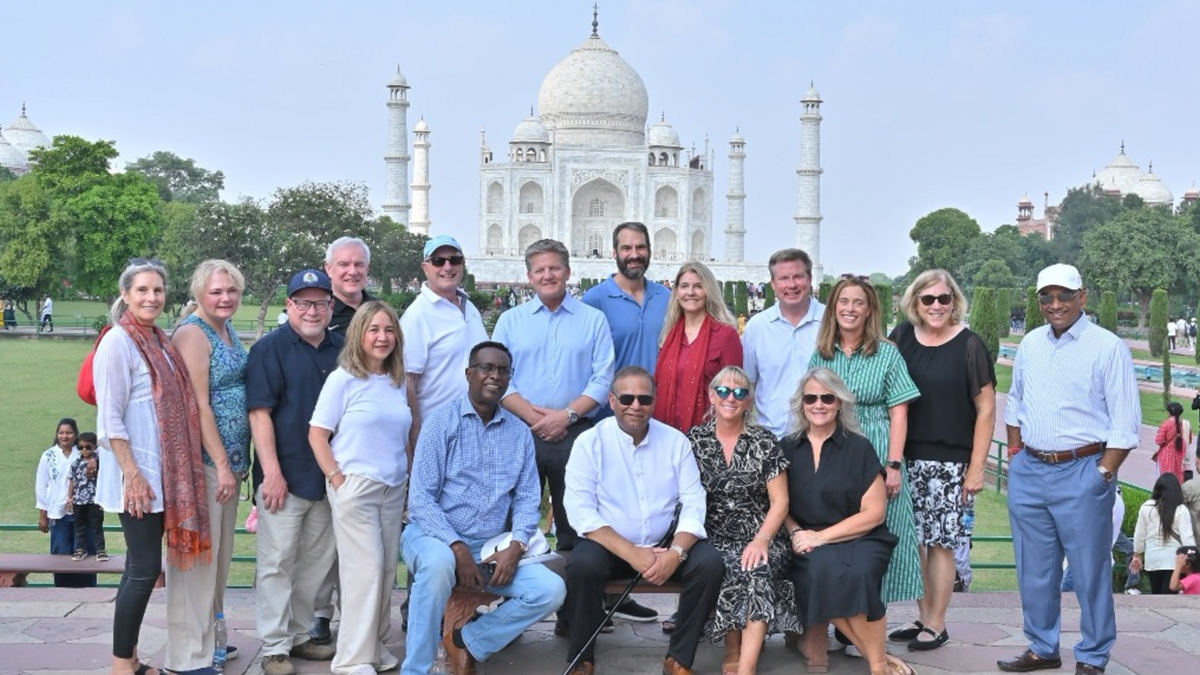
A delegation of 12 Washington state officials, including the mayors of DuPont and University Place, recently returned from a high-profile seven-day diplomatic tour of India. Spanning from October 11 to October 18, 2026, the trip served as a foundational step in a new Indian strategy to bypass federal gridlock by fostering direct partnerships with U.S. municipal and state governments.
The mission took participants through New Delhi, Bhubaneswar, and Mumbai. The delegation included DuPont Mayor Ron Frederick, University Place Mayor Stan Flemming, DuPont Council Member Jugal Thakor, and University Place Mayor Pro Tem Denise McCluskey. They were joined by staff and leaders from Kent, Tukwila, Issaquah, Mukilteo, and SeaTac, all under the guidance of State Senator Tina Orwall.
A Strategic Shift in Diplomacy
According to Mayor Ron Frederick, the outreach initiative comes in response to cooling relations at the federal level. The delegation cited concerns over the Trump administration’s threats to levy 100% tariffs on Indian imports and the tightening of visa regulations for Indian researchers and students as primary drivers for the alternative outreach strategy.
“The people of India are working to establish relationships with cities and states as opposed to the federal government,” Frederick stated. He noted that with approximately 400,000 Indian students currently enrolled in American universities and nearly a million professionals contributing to the U.S. technology and medical sectors, there is a strong desire in India to preserve and strengthen bilateral ties despite current political friction.
Funding and Itinerary
The trip was largely financed by the Kalinga Institute of Industrial Technology (KIIT) and the Kalinga Institute of Social Sciences (KISS), both based in Bhubaneswar. While local municipal budgets in Washington generally cover travel expenses, officials confirmed that the private institutions provided the bulk of funding for lodging, airfare, and meals. DuPont officials emphasized that no municipal funds from their city were utilized for the venture.
During their week abroad, the officials were hosted in five-star accommodations and engaged in a packed itinerary of cultural and governmental immersion. Key stops included the BAPS Swaminarayan Akshardham temple, the Taj Mahal, and the Nita Mukesh Ambani Cultural Centre. Beyond the cultural tourism, the delegation held formal meetings with India’s Ministry of External Affairs and shared dinners with members of the Indian Parliament.
Educational and Cultural Connections
For many attendees, the trip served as both a professional networking opportunity and a deeply personal experience. Mayor Stan Flemming, who holds the distinction of being the first East Indian person elected to the Washington State Legislature in 1992, noted that the trip allowed him a poignant connection to his ancestral roots.
The delegation spent considerable time at the KIIT and KISS campuses. The hosts showcased their expansive educational initiatives, particularly their efforts to provide free schooling, housing, and food to tens of thousands of Indigenous tribal children.
“They were working hard to impress us and give us some cultural insight,” Frederick observed. “We were all impressed with their accomplishments and left with great admiration for a culture that is thousands of years old.”
While critics might scrutinize the optics of city officials accepting travel funding from foreign private entities, participants maintained that the trip was strictly an educational endeavor. As the Indian community in Washington continues to grow—bolstered by the tech sectors in Seattle, Bellevue, and surrounding areas—officials suggest that this delegation is merely the first of many such outreach efforts aimed at fostering long-term, local-level diplomatic bonds.
Disclaimer: This content is auto-generated for informational purposes only.
Source: Read Original News