









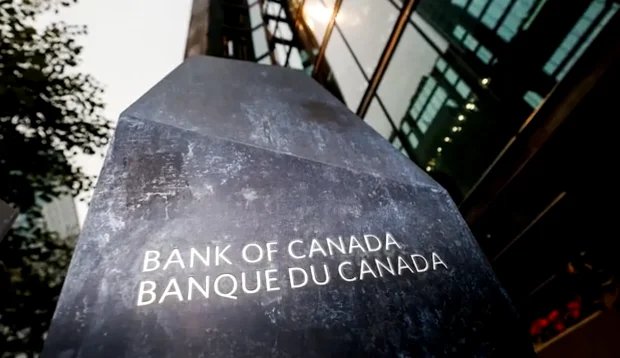
With interest rates frequently dominating national headlines, many Canadians are left grappling with what these fluctuations truly mean for their daily financial lives. While central bank decisions are often presented in abstract macroeconomic terms, they have a tangible and immediate impact on household budgets across the country.
To help demystify these complex economic levers, economist Jim Stanford has provided a critical breakdown of how interest rates operate and why they serve as a cornerstone for personal financial planning.
At its core, an interest rate is the cost of borrowing money. When the Bank of Canada adjusts its benchmark interest rate, it sets off a ripple effect that touches everything from the interest paid on a credit card to the monthly payments on a variable-rate mortgage. Stanford emphasizes that these rates are essentially a tool used by policymakers to control the pace of the economy. When the economy is “overheating”—characterized by high inflation—the central bank typically raises interest rates. The goal is to make borrowing more expensive, which encourages consumers and businesses to reduce spending, thereby cooling down price growth.
However, for the average Canadian, this “cooling” effect comes with direct costs. As rates climb, the cost of servicing existing debt increases. Families with variable-rate mortgages, lines of credit, or outstanding balances on credit cards often find their monthly interest payments surging, leaving less disposable income for necessities like groceries, fuel, and childcare.
Stanford notes that the impact of these changes is not felt equally. Those who are heavily leveraged with debt face the most immediate pressure, while those with significant savings may see higher returns on their deposits. The challenge for many Canadians, he explains, is balancing the need to manage debt in a high-rate environment while navigating the rising cost of living that often accompanies economic shifts.
For households, the key takeaway is the importance of foresight. Understanding that interest rates are not static allows individuals to better prepare for volatility. By locking in fixed rates when possible, paying down high-interest debt, or building an emergency fund, Canadians can create a buffer against the shifts in monetary policy.
As the financial landscape continues to evolve, the message from experts remains consistent: interest rates are more than just a number on a news ticker—they are a fundamental component of the family budget. Recognizing the relationship between the broader economy and personal debt is the first step toward achieving long-term financial stability in an unpredictable market.
Disclaimer: This content is auto-generated for informational purposes only.
Source: Read Original News