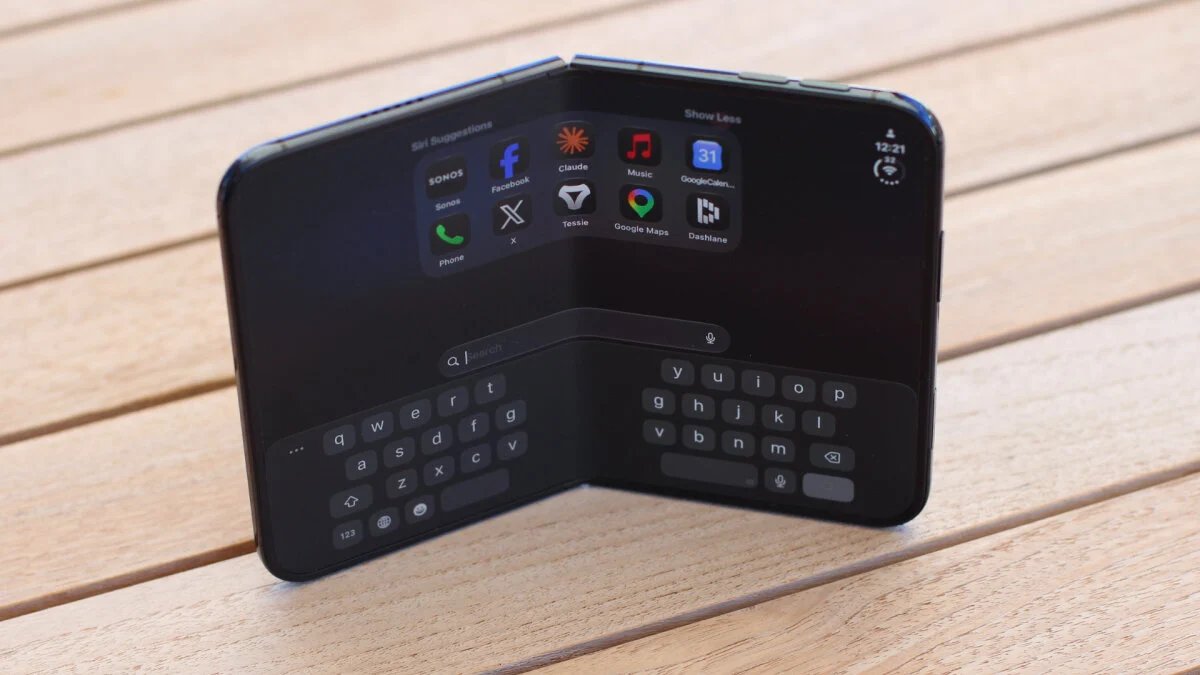









The introduction of the iPhone Duo has fundamentally altered how users interact with mobile software. By providing a flexible, multi-orientation hardware platform, the device has invited a wave of creative development that leans into physical manipulation rather than just touch-based input. Developers are currently leveraging the hinge mechanics and folding capabilities to create immersive, often skeuomorphic experiences that turn a modern smartphone into a diverse range of functional and entertainment-based tools.
Retro Computing and Digital Nostalgia
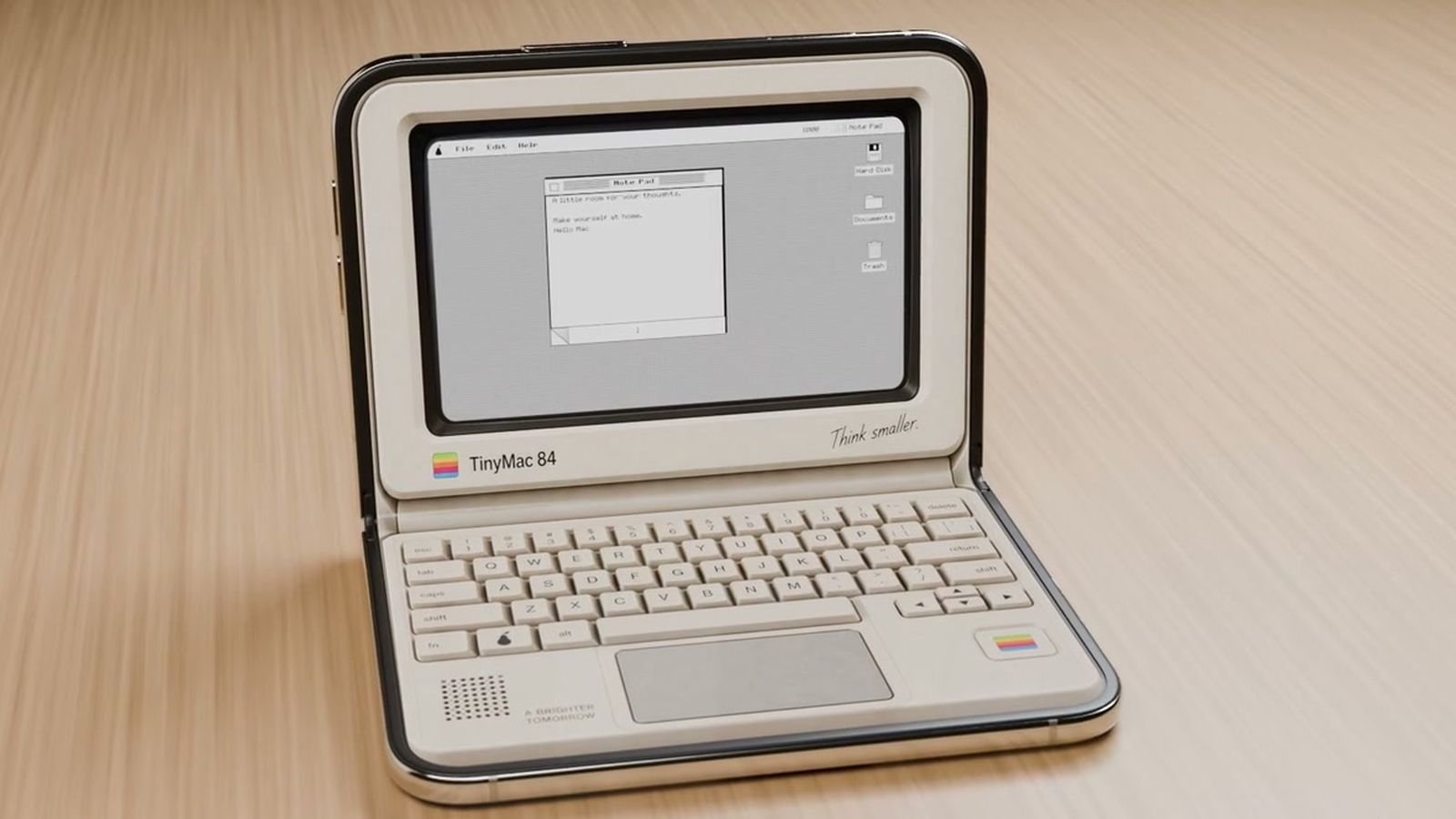
A significant trend among early applications for the iPhone Duo involves paying homage to legacy hardware. The app Tiny Computers, priced at $3.99, exemplifies this movement by transforming the device’s folding interface into a miniature version of classic machines such as the Commodore 64, the Amiga 500, and iconic Macintosh models. When the iPhone Duo is placed in a seated, laptop-like orientation, the bottom half of the screen serves as a tactile-style virtual keyboard, while the top half displays the retro interface. This design choice highlights how the physical form factor can act as a bridge between modern high-resolution displays and the aesthetic sensibilities of computing history. Similarly, the music player Deck-Man utilizes the closing action of the device to simulate the mechanical act of snapping a physical cassette player shut to begin playback.
Immersive Art and Productivity
The physical geometry of the iPhone Duo has also opened new possibilities for creative and productivity applications. Fold & Squish is a notable example of a tool that uses the device’s hinge as a functional pivot point for Rorschach-style art. Users paint on one half of the display and fold the device to combine their work, effectively using the hardware as part of the creative process. For those focused on analog-style note-taking, TypeDraw mimics a physical notebook. By utilizing Apple Pencil support, the app allows users to personalize their digital “pages” with custom fonts and handwriting, reinforcing the notion that a device’s physical presence can enhance digital immersion. These tools demonstrate that the folding hardware is not merely a gimmick, but a functional canvas for nuanced user interactions.
Entertainment and Gamified Hinge Mechanics
Gaming developers are finding innovative ways to exploit the dual-screen configuration. The Delta Game Emulator has been updated to specifically map its controls to the iPhone Duo, effectively replicating the experience of using a Nintendo DS. The device’s closing mechanism is mapped to the sleep mode function of the classic console, creating a cohesive hardware-software synergy. Other games lean into the physics of the device entirely. Toastie tasks players with preparing a virtual sandwich and then folding the phone shut to “cook” the contents, while Orisuji and Foldfish require players to physically unfold or tilt the device to advance through puzzles or casting mechanics. These games turn the act of folding from a simple UI transition into a core gameplay mechanic.
Well-being and Utility in Specialized Modes
Beyond entertainment, the iPhone Duo offers unique utility for wellness and information management through its “tent” orientation. Applications such as Portal, which offers over 100 natural environments with high-fidelity soundscapes, benefit greatly from this configuration. By standing the device in a tent shape, it becomes a dedicated ambient display for meditation or focus sessions. Living Earth further supports this by providing a rotatable globe view that expands across the entire display when unfolded, allowing for a panoramic look at global weather systems. For users who struggle with device-induced distraction, Fold Focus applies a gamified logic to productivity; it incentivizes the user to keep the phone closed to build a virtual city, effectively turning the act of not using the phone into a rewarding task.
The Future of Foldable Design
The rapid adoption of the iPhone Duo by developers suggests that hardware flexibility is driving a shift toward more tactile software design. As the user base grows, the expectation for apps to utilize the device’s hinge—whether for input, display, or physical simulation—is likely to increase. The current crop of software, ranging from the geometry-based puzzle game Duometry to specialized coloring apps like Lake, indicates that developers are prioritizing the spatial relationship between the user and the device. This transition toward “phygital” interaction, where the physical state of the phone is essential to the software’s utility, marks a distinct evolution in mobile technology that extends well beyond standard touchscreen interfaces.
Disclaimer: This content is auto-generated for informational purposes only.
Source: Read Original News