







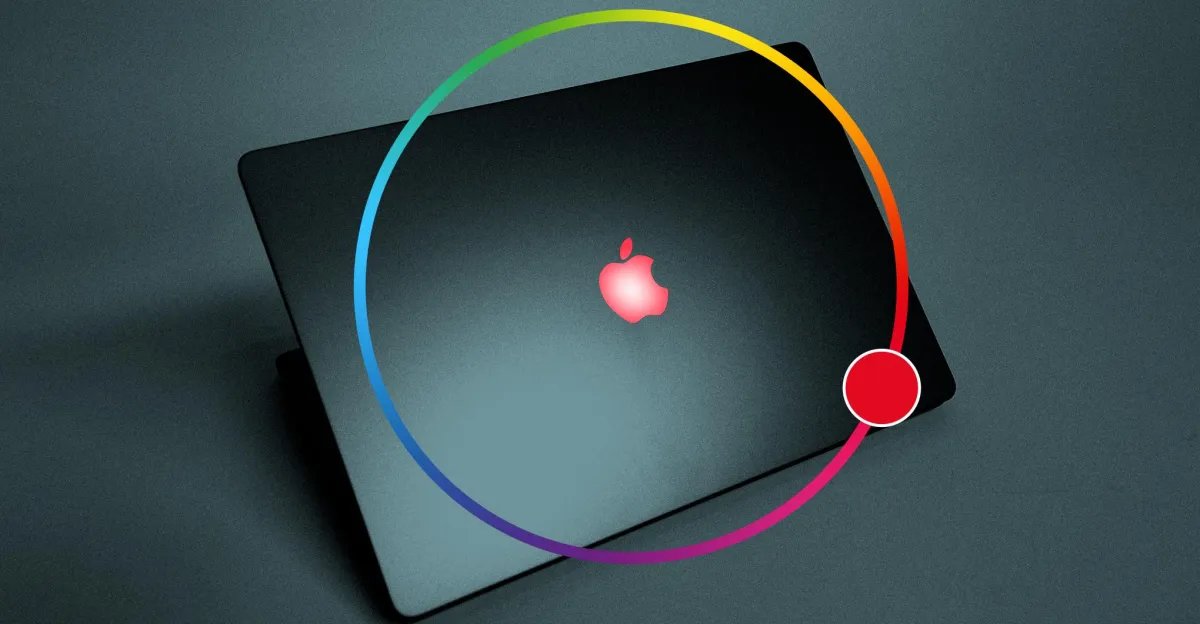
The Return of the Iconic Illuminated Apple Logo
The landscape of professional computing changed last month when Apple CEO John Ternus unveiled the latest iteration of the MacBook Pro. While the introduction of the first-ever touchscreen Mac and the sleek, ultra-thin chassis dominated the technical specifications, the feature that captured the most attention was the return of the illuminated lid logo. This design choice marks a significant reversal for Apple, which had spent nearly a decade phasing out the glowing rear logo in favor of a minimalist, polished metal aesthetic. The last time users saw the iconic light was during the 2018 MacBook Air redesign, after which the feature disappeared entirely. Its reappearance in the new PROLED MacBook Pro serves as a fusion of historical design language and modern hardware integration.
Technical Evolution: From Passive Light to Active LEDs
To understand the engineering behind the new logo, it is necessary to compare it to its predecessors. In older MacBook models, the illuminated logo was a passive component; it relied on the light generated by the liquid crystal display’s (LCD) backlight to shine through a translucent cutout in the aluminum lid. Because the light was essentially a byproduct of the screen’s operation, it could not be controlled independently of the display.
The current PROLED MacBook Pro utilizes OLED technology, which does not employ a traditional backlight, as each pixel is self-emissive. Consequently, Apple could not use the previous passive design. A teardown conducted by iFixit revealed that the modern logo is powered by an independent array of four white LEDs. This system is managed by specialized firmware that synchronizes the logo’s intensity with the display’s brightness settings. This architectural shift from passive lighting to a dedicated active LED system demonstrates that Apple is now treating the lid logo as a distinct, controllable hardware peripheral rather than a simple aesthetic byproduct.
The Untapped Potential of RGB Integration
Given that the logo is now powered by dedicated LEDs rather than screen bleed, the technical barrier for implementing color customization has been lowered. In the broader computing market, particularly within the gaming sector, Red-Green-Blue (RGB) lighting has become a standard feature for hardware differentiation and personalization. Critics and enthusiasts alike have noted that the hardware infrastructure—specifically the use of discrete LEDs—theoretically supports the inclusion of multicolor light, yet Apple has limited the output to a static white.
This decision reflects Apple’s historical preference for a restrained and professional aesthetic. However, as the company pushes further into the gaming space, the absence of customizable color profiles represents a missed opportunity for synergy. While the current hardware is restricted to white light, the independent software control allowed by the new system opens the door for future iterations where color temperature or user-defined hues could be implemented through software updates or new hardware revisions.
Software Control and Third-Party Personalization
While Apple provides no native settings to alter the color of the logo, the software-driven nature of the component allows for some degree of manipulation. Advanced users have already begun exploring the boundaries of this system. Through specific Terminal commands or third-party software solutions like LogoLight, users can interact with the logo’s power state and pulse patterns. These applications allow the logo to perform functions such as breathing, pulsing in time with system audio, or even signaling notifications via Morse code.
However, the hardware remains physically restricted to white light emitters. Any attempt to modify the physical light source is a hazardous endeavor. The iFixit teardown highlighted that the integration of the OLED display and the lid assembly is remarkably delicate; attempting to access the LED array often results in the delamination and catastrophic failure of the expensive PROLED panel. For the average user, the risk of voiding a warranty on a premium, high-cost workstation outweighs the potential gains of attempting hardware-level light modifications.
The Ternus Era and the Future of Apple Design
The return of the light-up logo is not an isolated incident; it serves as a symbolic marker of the early John Ternus era at Apple. Under this new leadership, there is a visible departure from the rigid design philosophy that characterized the previous decade. This period is defined by a newfound willingness to experiment with hardware, as evidenced by the introduction of touch-interface laptops, the iPhone Duo, and the HomeView smart display.
This culture of experimentation suggests that Apple is reconsidering the boundaries between professional utility and consumer-focused personalization. If the light-up logo becomes a standard feature across the MacBook Air or future MacBook Neo product lines, the potential for further innovation is significant. Whether through the introduction of multicolor LEDs or more advanced synchronization with system states, the glowing Apple logo represents a pivot toward a more flexible and expressive hardware future. While currently limited to its classic white aesthetic, the foundational technology is now in place for Apple to evolve this feature in ways that would have been physically impossible with the display technology of the past.
Disclaimer: This content is auto-generated for informational purposes only.
Source: Read Original News