









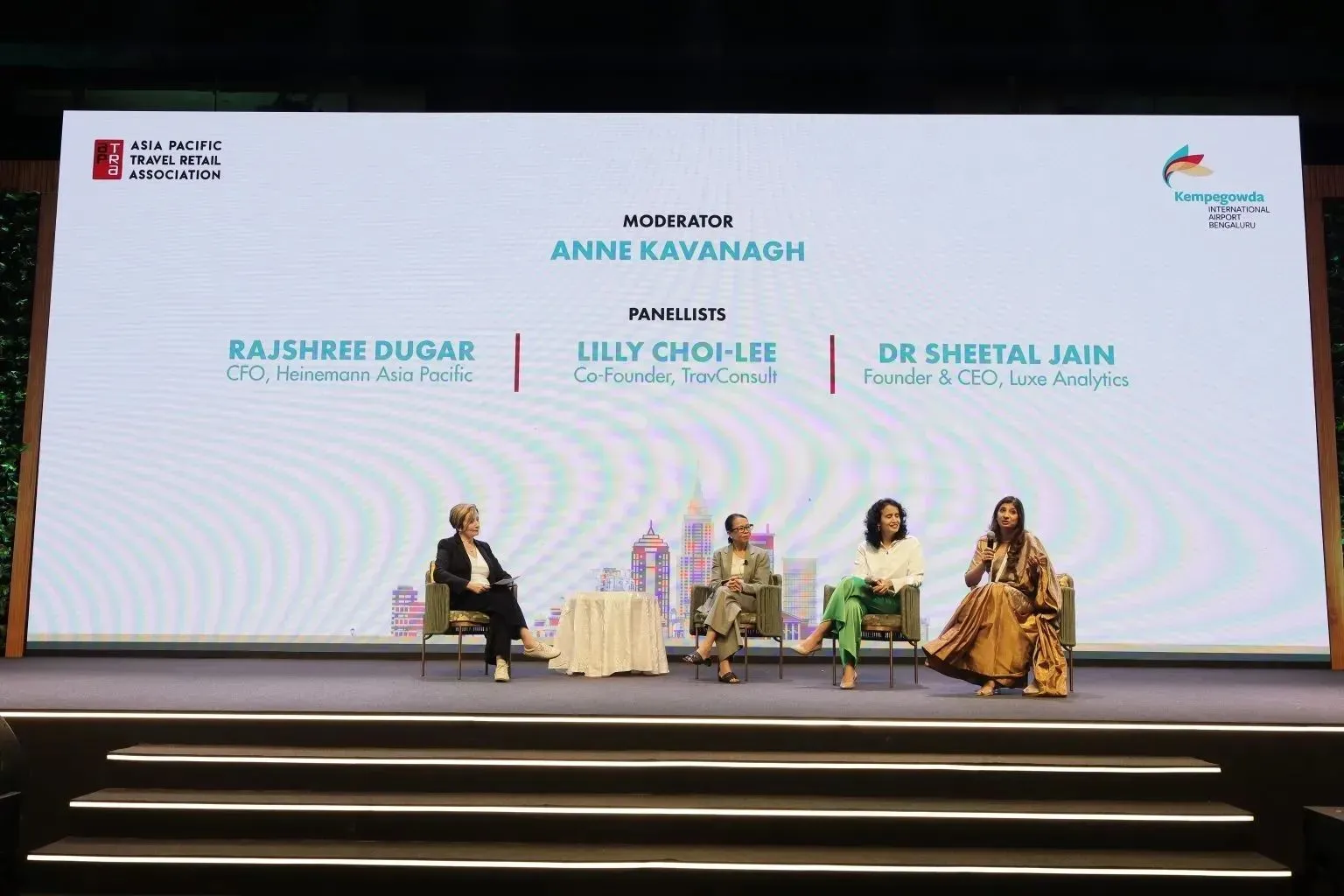
Following a recent discussion at the APTRA India Conference in Bangalore, Lilly Choi-Lee, Executive General Manager of TravConsult Group, and Dr Sheetal Jain, Founder of Luxe Analytics, have written exclusively for DFNI, exploring why travel retail must rethink how it engages one of its fastest-rising customer segments, what is changing, and where the sector must adapt.
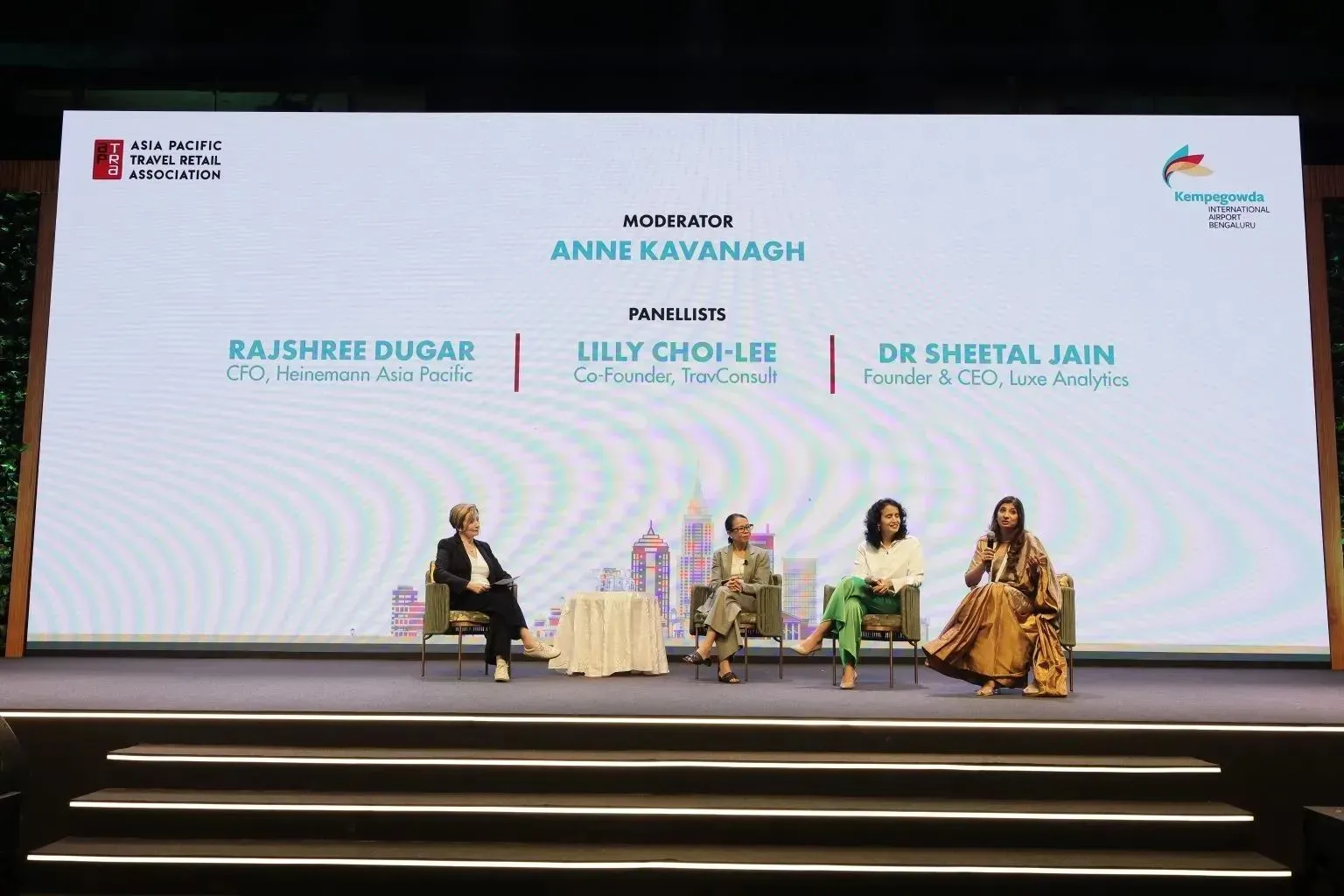
Lilly Choi-Lee and Dr Sheetal Jain joined Heinemann Asia Pacific CFO Rajshree Dugar and APTRA Managing Director Anne Kavanagh for a session at the APTRA India Conference
As global travel retail looks for its next wave of sustainable growth, one traveller segment is rapidly reshaping the opportunity landscape: the Indian traveller.
India’s outbound market is expanding in scale, confidence and influence. Yet while passenger numbers are rising, many international retailers are still relying on outdated assumptions about what Indian travellers want; and how they buy.
Luxury has changed: meaning now matters
For years, luxury in travel retail was often interpreted through a familiar lens: prestige, excess and recognisable global brands.
According to Dr Jain, that model is evolving quickly among Indian travellers: “Luxury is no longer about excess or overindulgence. It is about meaning.”
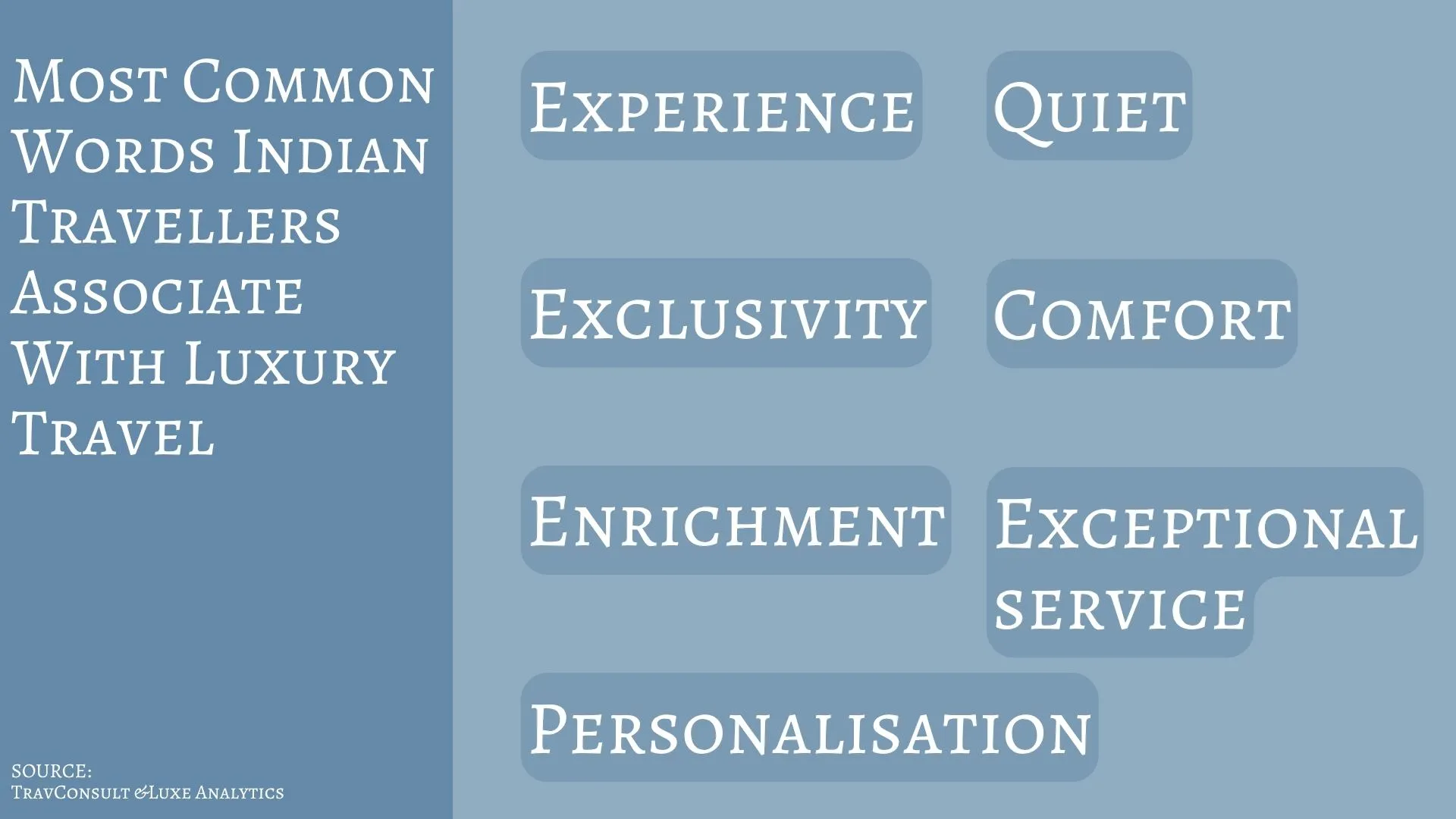
Recent research among affluent Indian consumers found the most common words associated with luxury travel were:
- Experience
- Exclusivity
- Enrichment
- Personalisation
- Quiet
- Comfort
- Exceptional service
The implication for travel retail is significant. Indian travellers are increasingly seeking products and experiences that feel personal rather than performative, emotional rather than purely transactional, purpose-driven rather than status-led
For airports and retailers, simply presenting premium brands is no longer enough. Relevance, curation and emotional connection now matter just as much as assortment.

Lilly Choi-Lee, Executive General Manager of TravConsult Group (left), and Dr Sheetal Jain, Founder of Luxe Analytics
The conversion gap at the point of sale
While the strategic shift is clear, Lilly Choi-Lee believes many operators are still losing value where it matters most – in the final customer interaction: “International retailers are still judging Indian behaviour through a Western lens.”
She points to one of the most common misunderstandings in airport retail: assuming that because many Indian travellers speak English fluently, they will shop like Western consumers.
That assumption often creates friction.
Indian travellers frequently ask multiple questions, compare options in detail, seek reassurance before purchasing, and want active engagement from the sales advisor
Too often, this behaviour is misread as hesitation or low purchase intent: “It’s not hesitation—it’s involvement. It’s assurance that I’m making the best choice. It’s building trust.”
For frontline teams under time pressure, this can become a missed conversion moment.
Negotiation is not conflict—it is participation
Another recurring blind spot is around price discussion.
Indian travellers may ask for a better price, added value, a bundle or an upgrade early in the interaction. In many Western markets, this can be interpreted as difficult behaviour or resistance to buying.
Choi-Lee argues it should be seen differently: “From an Indian perspective, it’s not confrontation; it’s participation. It’s part of the buying journey.”
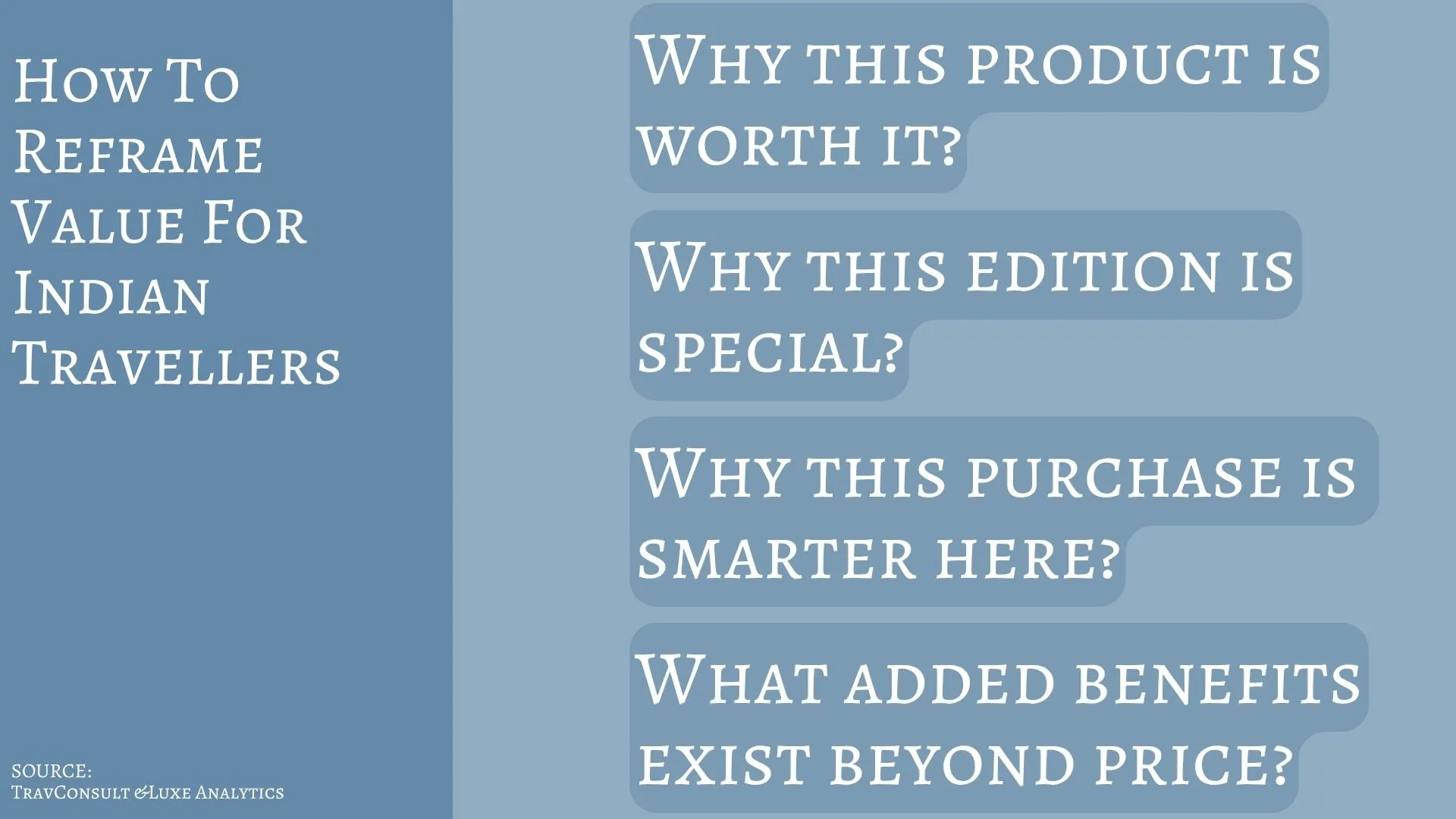
The most effective retailers are not those who shut the conversation down quickly. They are those who know how to reframe value. This means addressing key questions such as: Why this product is worth it? Why this edition is special? Why this purchase is smarter here than elsewhere? and what added benefits exist beyond price?
In premium retail, value storytelling often outperforms blunt discounting.
There is no single Indian traveller
Perhaps the biggest misconception of all is treating India as one uniform market.
With more than 1.4 billion people, India contains enormous diversity in region, language, travel maturity, purchasing style and cultural expectations.
Choi-Lee notes that even a simple question such as “Where in India are you from?” can immediately improve connection and personalise the interaction. That matters because different travellers may respond differently to pace, style, detail and negotiation.
Dr Jain adds that this diversity is not just demographic, but deeply behavioural, shaped by differing aspirations, cultural influences and definitions of value across India’s many consumer segments.
The lesson for airport teams is simple: segmentation matters.
What airports and retailers should do now
As India becomes a larger contributor to international traffic and spend, travel retail has an opportunity to move ahead of the curve.
- Train for engagement, not scripts
Frontline teams need confidence to handle questions, comparisons and price discussions positively.
- Sell value, not just product
Indian travellers often respond strongly to provenance, practicality, exclusivity and smart purchasing logic.
- Recognise diversity
Move beyond “Indian traveller” as one label. Use curiosity and personalisation.
- Create meaningful premium moments
Personal service, thoughtful recommendations and memorable touches increasingly define luxury.
The future belongs to culturally intelligent retail
The opportunity is not simply to attract more Indian travellers.
It is to understand them better.
Those who continue to apply a generic global playbook may see traffic but underperform on conversion. Those who adapt their engagement style, value messaging and service approach stand to build stronger sales and longer-term loyalty.
As India’s traveller story accelerates, travel retail’s next competitive advantage may not be price or product alone.
It may be the ability to better engage, convert and build trust with the Indian traveller through cultural intelligence.