








The Strategic Shift: Re-evaluating Currency and Trade Policy
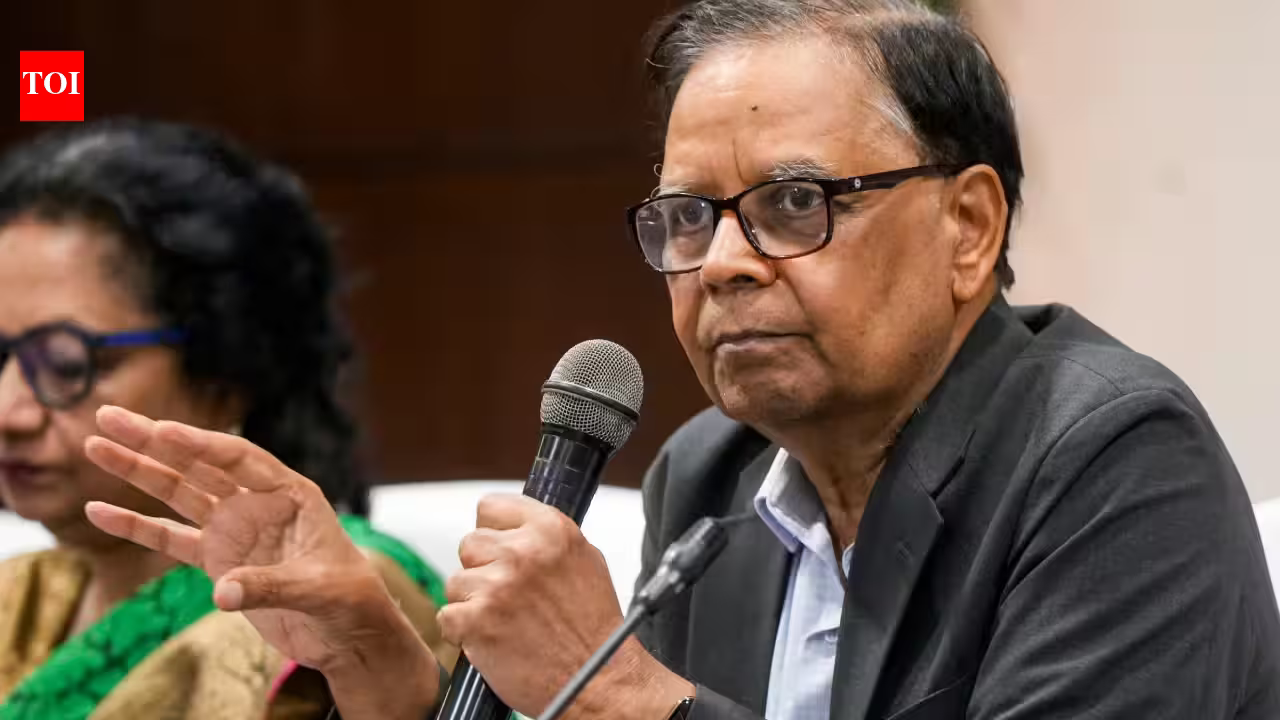
In the current global economic climate, the Indian narrative is increasingly one of resilience and structural transition. Arvind Panagariya, chairman of the 16th Finance Commission, has recently highlighted a critical shift in the domestic perspective regarding currency management and trade policy. While historical Indian economic policy often viewed a depreciating rupee as a sign of weakness or an inflationary burden, the modern consensus is evolving toward a more pragmatic approach. A weaker rupee, rather than serving as a purely defensive metric, is being reframed as a tool for enhancing the competitiveness of Indian manufacturing against finished imported goods.
This perspective recognizes that while currency depreciation increases the cost of imported inputs, it simultaneously raises the price of competing finished products, effectively creating a more level playing field for domestic producers. This realization is vital for India’s manufacturing aspirations, particularly as the country seeks to increase its export footprint in a global market that is increasingly characterized by protectionism and supply chain re-routing.
Economic Vitals and Sustained Growth
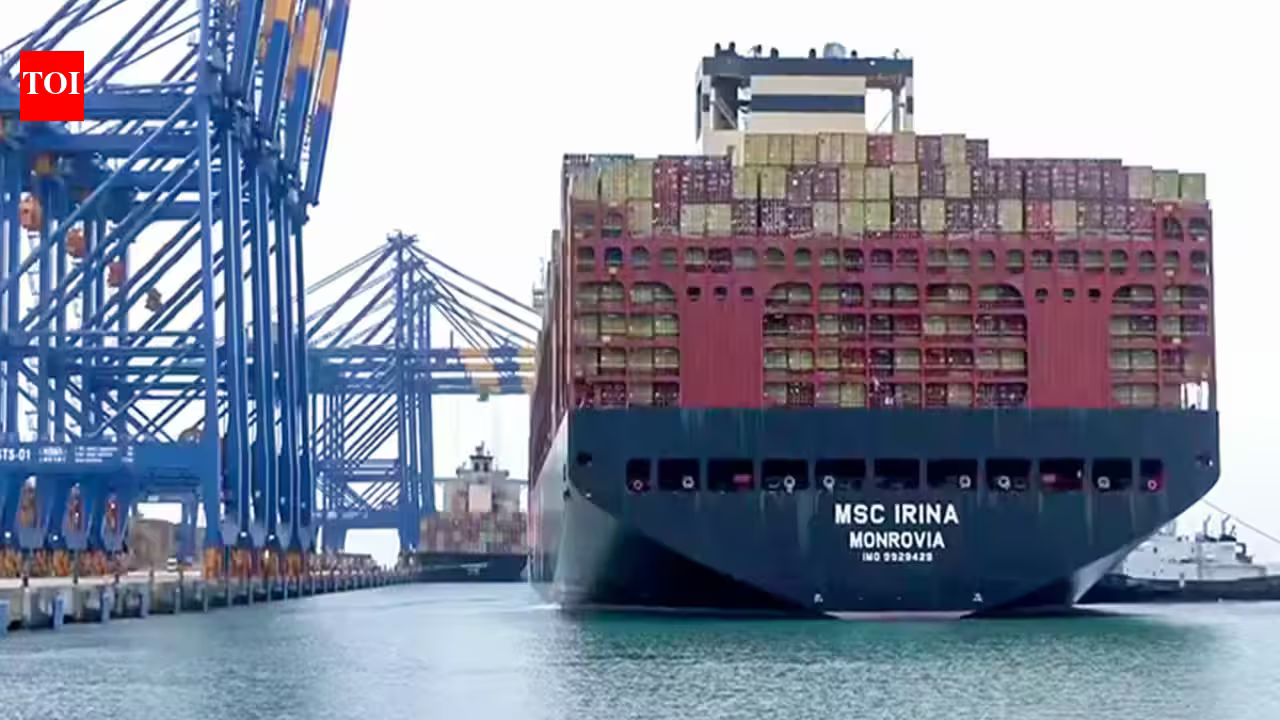
The foundational health of the Indian economy remains robust, supported by consistent growth patterns. Projections of 7 to 8 percent growth are underpinned by a significant acceleration in the manufacturing sector, which has maintained a growth rate of approximately 10 percent over the past three years. This performance is an essential indicator of the success of recent industrial initiatives and a maturing private sector that is better equipped to handle external shocks, such as the logistics challenges stemming from instability in West Asia.
The stability of the macroeconomic framework—evidenced by controlled inflation and a manageable current account deficit—provides the necessary bandwidth for the government to focus on structural reforms. Unlike the uncertainty that paralyzed markets in previous decades, contemporary Indian entrepreneurs are demonstrating a high degree of adaptability. By absorbing global headwinds and navigating tariff volatility, Indian businesses are signaling a shift toward higher levels of productivity and operational efficiency. The transition from a reactive economic posture to one that proactively addresses the realities of a competitive global market is a testament to the maturation of the domestic industrial base.
Addressing Protectionism and Regulatory Hurdles
Despite the positive growth trajectory, policy experts argue that India must move away from excessive protectionism to truly unlock its manufacturing potential. The current framework of Quality Control Orders (QCOs) and the widespread application of anti-dumping duties represent significant friction points in the ease of doing business. While the stated intent of these measures is often to ensure safety or quality, their practical implementation is frequently seen as a tool to insulate domestic markets from international competition, which can stifle innovation and limit access to high-quality industrial inputs.
The burden of enforcing these standards, particularly through the Bureau of Indian Standards, often exceeds available institutional capacity, leading to administrative bottlenecks. Furthermore, the reliance on anti-dumping duties creates a disadvantage for domestic firms that rely on global supply chains for specialized raw materials. By reducing reliance on these mechanisms and moving toward a more transparent, tariff-based system, India could foster an environment where domestic companies are incentivized to attain global quality standards rather than settling for the protection of a closed market.
The Necessity of Global Trade Integration
The path toward becoming a global manufacturing hub requires deep integration into international trade architectures. Negotiating bilateral agreements—such as those with the United States—is not merely about securing market access; it is a catalyst for domestic liberalization. By exposing Indian industries to the rigors of international competition, these agreements compel firms to optimize their processes, adopt better technology, and improve labor productivity.
Moreover, the discourse surrounding Bilateral Investment Treaties (BITs) is critical for attracting Foreign Direct Investment (FDI). As investors look to diversify their operations away from established manufacturing hubs in East Asia, they are evaluating India against competitors like Vietnam and China. A modernized, investor-friendly BIT framework is essential to provide the legal certainty that global capital demands. Without such protections, India risks missing out on the ongoing reconfiguration of global manufacturing supply chains. Policy makers must, therefore, prioritize the creation of an environment where the regulatory risk for foreign investors is comparable to or better than that found in other emerging markets.
Navigating the Erosion of Global Trade Norms
The global trade landscape is undergoing a transformation, with the traditional discipline of the World Trade Organization (WTO) significantly weakened. Major economies are increasingly utilizing industrial subsidies—such as the U.S. Chips Act—to secure domestic production, often in ways that challenge the spirit, if not the letter, of existing WTO rules. With the WTO’s appellate body currently dysfunctional, there is little recourse for countries to address these market-distorting subsidies through traditional dispute settlement mechanisms.
For India, this necessitates a more nuanced approach to diplomacy and trade strategy. The country must acknowledge that the era of relying on multilateral rules to guarantee fair trade is largely behind us. Instead, India should focus on building strong bilateral relationships and strengthening its domestic industrial ecosystem to thrive in a world where trade policy is frequently weaponized. This involves focusing on long-term structural reforms, investing in infrastructure to mitigate logistics costs, and ensuring that the Indian workforce is equipped to handle the demands of a high-value manufacturing economy.
Future Outlook: Resilience and Reform
The evolving stance on the rupee and the push for reduced trade barriers reflect a broader, more confident strategy for the Indian economy. By embracing a more competitive currency environment and moving toward a less protectionist regulatory stance, India is positioning itself to capitalize on the shifting currents of global trade. The focus must now shift to execution: streamlining internal processes, fostering greater integration with the global economy, and ensuring that the macroeconomic stability observed today translates into long-term wealth creation.
As the 16th Finance Commission and other policy bodies weigh in on future growth, the common thread is clear: the era of insulation is over. India’s trajectory will be defined by its ability to engage with the global market on its own terms, using the strength of its domestic demand and the talent of its human capital to command a larger share of the international value chain. The optimism surrounding the Indian economy is well-founded, provided the country continues to prioritize market-oriented reforms over the ease of protective isolation.
Disclaimer: This content is auto-generated for informational purposes only.
Source: Read Original News