








The Resurrection of Lost Nintendo History
The world of video game preservation recently witnessed a monumental breakthrough as collector Daniel Quadri secured what is believed to be the only fully playable copy of “PokéPark: Tsuri Taikai,” known internationally as “PokéPark: Fishing Rally.” This Nintendo DS title, long considered a piece of lost media, represents a unique intersection of mobile gaming history, event-based software distribution, and the challenges inherent in digital archiving. For nearly two decades, this software existed only as a collective memory for attendees of a 2005 pop-up theme park in Nagoya, Japan. Its recovery serves as a poignant reminder of how fragile early portable gaming experiences can be when they are tethered to specific physical locations and temporary distribution windows.
The Mechanics of a Transient Experience
“PokéPark: Fishing Rally” was never a commercial product. It was designed as a promotional interactive attraction that functioned as an extension of the physical park environment. In 2005, the Nintendo DS was still in its relative infancy, and its local wireless communication capabilities were frequently showcased through novel, location-specific experiments. Visitors to the Nagoya PokéPark were able to download the game directly onto their own handheld consoles via the DS Download Play feature.
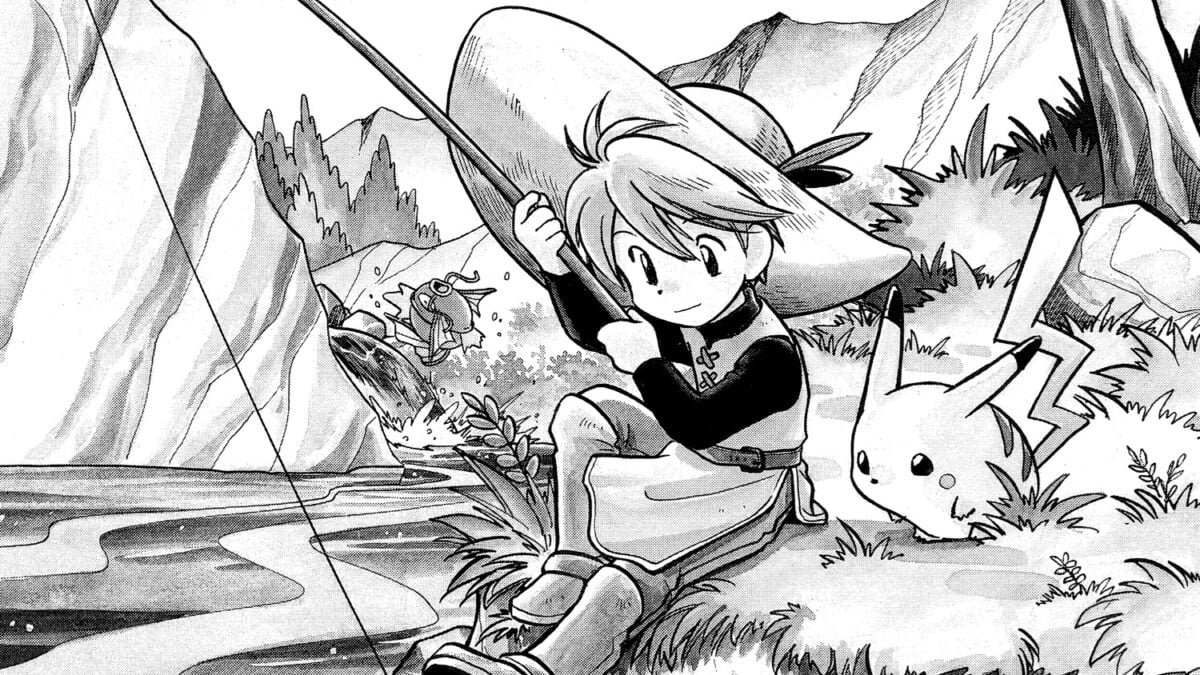
The software functioned as a simple, touch-driven fishing simulator. Players would cast their lines into virtual waters and encounter various water-type Pokémon. However, the game was engineered with strict anti-persistence measures. Developers programmed the software to be ephemeral; it would automatically delete itself from the console’s volatile memory after a twelve-hour window or upon the system being powered off or reset. This design choice was likely intended to prevent the unauthorized redistribution of the software outside the event grounds. Consequently, the game effectively vanished from existence the moment the park closed, leaving no trace on physical cartridges or public servers.
Technical Challenges in Software Preservation
The recovery of this software provides significant insights into the engineering limitations of early mobile devices. Unlike modern titles that rely on cloud-based saves or digital storefront libraries, “Fishing Rally” was a localized, peer-to-peer transmission. Because the data was transmitted directly into the system RAM and designed for immediate erasure, there was no permanent storage footprint to recover. The existence of Quadri’s cartridge suggests that at least one version of the software managed to bypass the automated deletion routine, likely due to a specialized development build or a bypass in the firmware execution.
Preservationists view this recovery as a critical win against “bit rot”—the slow degradation of digital data—and the deliberate obsolescence built into event-exclusive software. By obtaining a physical copy that can trigger the distribution of the game code to other devices, Quadri has ensured that the binary files are no longer restricted to a single point of failure. This process involves dumping the raw code from the cartridge to create a clean, executable file, allowing historians to study the game’s architecture and gameplay loops without the constant threat of data loss.
The Intersection of Gaming and Physical Landmarks
Before the advent of modern augmented reality titles like “Pokémon Go,” developers were already experimenting with the concept of using digital software to gamify physical spaces. “Fishing Rally” acted as an early precursor to this, bridging the gap between a physical theme park and a digital, handheld interface. It offered a primitive yet compelling vision of how hardware could be used to encourage attendance and engagement at specific geographical coordinates.
The impact of this discovery extends beyond the novelty of the game itself. It highlights the importance of archiving software that serves as a cultural artifact. For many, these small, short-lived programs represent the formative years of handheld gaming. The ability to witness a “Gyarados” on a DS screen in 2024, using the same code that a child interacted with in 2005, provides a tangible connection to the development philosophy of the mid-2000s. It demonstrates how early developers navigated the constraints of limited hardware memory to create engaging, albeit fleeting, user experiences.
Moving Toward Future Archiving Standards
As the gaming industry shifts toward digital-only distribution models, the story of “PokéPark: Fishing Rally” serves as a cautionary tale for preservation. When software is programmed to expire or is tied to servers that are destined to shut down, the risk of total loss becomes significantly higher. Collectors and preservationists are currently advocating for better standards in how these rare builds are handled. By ensuring that such software is not only discovered but also documented and distributed within the community, the historical record remains intact.
Quadri has expressed a strong desire to share the software, moving beyond simple ownership into the realm of communal heritage. By allowing the game to be run on other, compatible Nintendo DS units, he is effectively reversing the intended expiration cycle of the original code. This act of digital restoration ensures that while the 2005 event is long gone, the software remains as an accessible window into the evolution of the Pokémon franchise. As hardware continues to age and original components become more difficult to repair, these community-driven efforts become the primary line of defense against the permanent disappearance of gaming history.
Disclaimer: This content is auto-generated for informational purposes only.
Source: Read Original News