









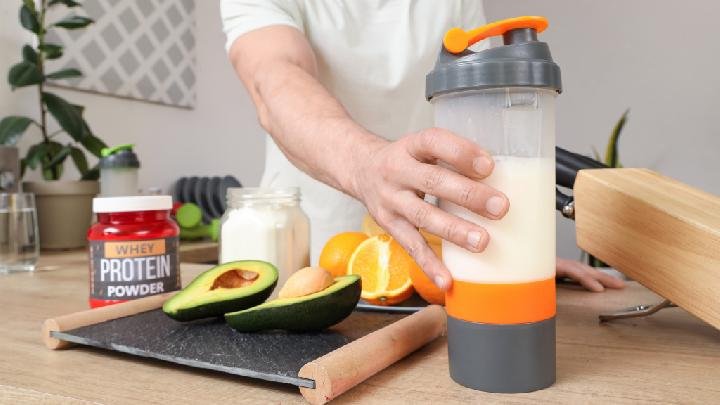
The Protein Puzzle: Fact vs. Marketing Hype
Walk through the aisles of any supermarket today and you will be greeted by a sea of colorful packaging shouting about high protein content. It is on everything: cereal, pasta, granola bars, and even bottles of water. The messaging is clear. Brands want us to believe that adding a scoop of powder or choosing the high-protein loaf of bread is the secret key to building a lean physique, dropping those stubborn few pounds, and ensuring our children grow up tall and strong. But before you stock your pantry with these convenient additions, it is worth pausing to consider if your body truly needs the extra help.
Protein is undeniably an essential nutrient. It serves as the building block for our muscles, skin, bones, and enzymes. However, the modern obsession with protein supplementation often overlooks a simple reality: most people in developed nations are already consuming more than enough through their regular diet. When you add processed shakes and bars on top of a diet that already includes eggs, meat, legumes, or dairy, you are usually just adding extra calories that your body does not need for muscle synthesis.
The Truth About Muscle and Weight Goals
The primary promise of the protein industry is that these products act as a shortcut to a sculpted physique. If you follow fitness creators online, you have likely seen them meticulously measuring their daily intake. While athletes and individuals engaged in heavy resistance training do have higher requirements, the average person sitting at a desk or enjoying light exercise is likely hitting their quota through lunch and dinner alone.
When it comes to losing weight, protein is helpful because it keeps you feeling full longer than carbohydrates. This is why a breakfast with eggs is more satisfying than a bowl of sugary cereal. However, swapping a piece of grilled chicken for a processed protein bar is often a nutritional downgrade. Many of these bars are essentially candy bars in disguise, packed with sweeteners, oils, and thickeners. If your goal is weight management, focus on whole, unprocessed foods rather than synthetic replacements. Your metabolism will thank you for the extra fiber and micronutrients found in real vegetables, grains, and lean proteins.
Is High Protein Necessary for Growing Kids?
Perhaps the most misleading claim is that children need protein-fortified snacks to ensure healthy growth. You might see protein-infused milk or snack packs aimed at parents, suggesting that a child’s development depends on these supplements. In reality, healthy growth in children is driven by a balanced intake of total calories, vitamins, and minerals.
Unless a child has specific medical requirements or a highly restrictive diet, they rarely need specialized protein products. In fact, loading up on supplements can sometimes displace the intake of fiber-rich fruits and vegetables, which are far more important for a child’s long-term health and digestion. Healthy growth is rarely about finding a single super-nutrient; it is about providing a consistent, varied menu of family meals. If your child is eating a normal range of foods, they are almost certainly getting all the amino acids required for their developmental milestones.
How to Spot Real Nutrition
Navigating the supplement shelf requires a bit of detective work. The next time you find yourself staring at a flashy label, look past the big bold letters and turn the package over. If the ingredient list looks like a chemistry experiment, it is likely a processed item that offers little beyond marketing promises. High-quality protein should come from ingredients you recognize: milk, whey, pea protein, or even seeds and nuts.
If you are craving a protein boost, start by looking at your current habits. Do you have a small portion of protein at every meal? Are you including plant-based sources like lentils or chickpeas? Often, small shifts in your daily routine—like adding a handful of almonds to your afternoon snack or having Greek yogurt with berries—will satisfy your body’s needs far better than a highly engineered product. By prioritizing real food, you save money and avoid the unnecessary additives that often lurk inside those shiny, high-priced wrappers.
Finding Balance in Your Daily Routine
Ultimately, life is about balance. There is nothing inherently wrong with a protein shake if you are on the go and need a quick meal, but it should not become the foundation of your diet. Think of these products as what they are: convenient alternatives for specific moments, not magical pills for health.
True wellness comes from consistency, not from buying into the latest food trends. You do not need to obsess over grams or chase the newest protein-infused product to look or feel your best. Eat a variety of whole foods, enjoy your meals, and listen to what your body actually needs. When you stop chasing the marketing noise, you will find that a simpler, more natural approach to eating is not only more effective but far more enjoyable in the long run.
Disclaimer: This content is auto-generated for informational purposes only.
Source: Read Original News