








The Winter Laundry Dilemma
When the temperature drops and the skies turn gray, our laundry routine suddenly becomes a logistical headache. Gone are the days of throwing items on the line outside or enjoying a quick dry in the breeze. Instead, we are left with a mountain of damp garments and the persistent frustration of living in what feels like a giant, indoor drying cupboard.
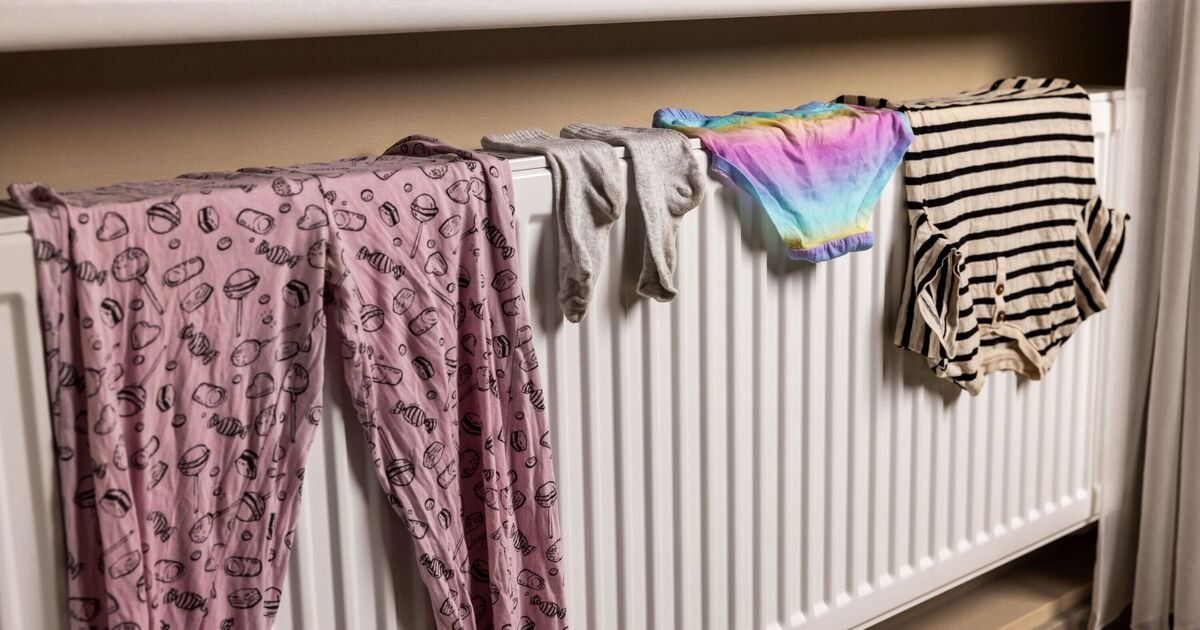
It is the time of year when we look at our radiators with longing. That warm, metal surface seems like the perfect shortcut to getting your favorite sweater dry before tomorrow morning. However, if you have been making a habit of draping wet socks or damp towels over your heating units, it might be time to rethink the strategy. While it feels like a clever hack to keep bills down and laundry moving, experts suggest that this common winter habit might actually be doing more harm than good for both your home and your wallet.
Why Your Radiator Is Not a Laundry Assistant
The primary reason to keep your clothes off the radiator comes down to basic physics. A radiator is designed to heat the air in a room, circulating warmth to keep your living space comfortable. When you cover that surface with a thick pile of damp fabric, you are essentially acting as a barrier to that heat. The radiator is blocked from doing its job, meaning the device works much harder and runs for longer than it truly needs to.
This creates a cycle of inefficiency. You are stuck waiting for your clothes to dry, and your boiler is working overtime to compensate for the trapped heat. Instead of saving money, you might find that your energy consumption actually climbs. By allowing your radiators to breathe, you ensure they can effectively warm the room, which is their intended purpose after all.
The Hidden Risks of Indoor Drying
Beyond the hit to your energy efficiency, there is a health and home maintenance concern to consider. Putting wet items directly on a heat source forces moisture into the air. In a closed-up home during the winter, that moisture has nowhere to go.
Excess humidity is the primary culprit behind damp and mold, which can linger in corners, on window frames, and even behind furniture. Dealing with mold remediation is far more costly and stressful than finding a better way to dry your shirts. Keeping the air quality in your home healthy should always take priority over the convenience of a quick dry. Furthermore, placing delicate fabrics directly onto high-heat metal can damage fibers, ruin elasticity, and leave you with misshapen garments that simply do not hold their form.
Smart Alternatives for Faster Drying
If you do not have a tumble dryer—or are trying to avoid using one to save on costs—you need a more strategic approach to indoor laundry. The best friend of any winter laundry load is a dehumidifier. By placing a drying rack in a small, well-ventilated room with a dehumidifier nearby, you can pull the moisture out of the air and the clothes simultaneously. It is faster, safer for your walls, and much more effective than relying on a radiator.
If space is limited, consider using a dedicated heated clothes airer. These units are designed to safely warm fabrics without blocking your home’s central heating system. They are generally much more energy-efficient than running a standard tumble dryer and prevent the risk of heat-blocking. Another trick is to place your airer near a window that can be cracked open slightly, or in a room with a ceiling fan, to ensure better airflow. Consistent movement of air is the real secret to drying laundry quickly, rather than raw, stagnant heat.
Balancing Comfort and Utility
As we face rising energy costs, the instinct to squeeze every bit of value out of our heating systems is completely understandable. However, protecting your home from excess moisture and ensuring your heating system runs at peak performance will serve you much better in the long run.
Instead of turning your radiators into makeshift drying racks, focus on managing the moisture in your home and creating a proper drying station. By investing in the right tools, like a reliable drying rack or a dehumidifier, you can keep your home warm and your clothes fresh without the risk of unwanted dampness. Making these small adjustments ensures that your winter stays cozy and your energy bills stay manageable throughout the colder months.
Disclaimer: This content is auto-generated for informational purposes only.
Source: Read Original News