







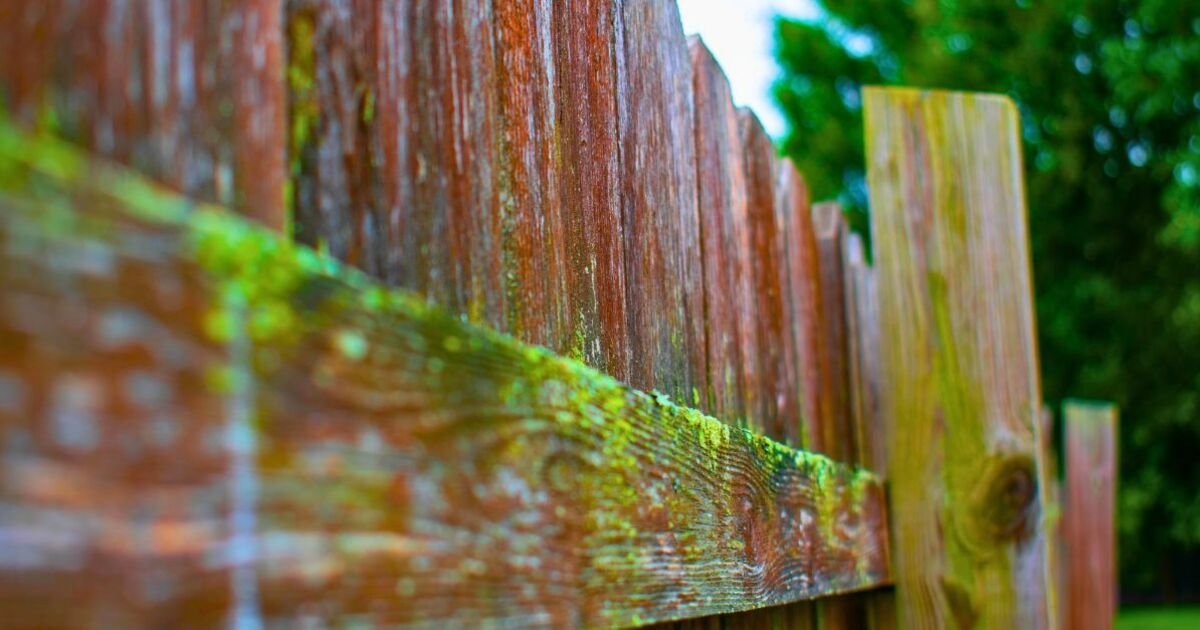
Autumn brings a cozy charm to our gardens, with crisp leaves and golden light transforming outdoor spaces. However, as the temperature drops and moisture levels rise, you might notice an unwelcome guest appearing on your garden boundaries: slimy, green algae. Beyond just looking messy, these patches can actually hold onto excess water, leading to warped panels and long-term rot. Keeping your wooden fences in good shape doesn’t require an expensive professional or harsh chemicals. In fact, the solution is likely already sitting in your kitchen pantry.
Why Your Fence Needs Attention Now
Wooden structures are porous, providing the perfect home for algae, moss, and mildew to take root. During the damp months of autumn, these organisms thrive, especially in shady corners. If left untreated, the moisture trapped by these green stains will seep into the wood fibers, weakening the structural integrity of your panels over time. Taking a proactive approach now can save you the headache and expense of replacing entire fence sections later on. A little bit of maintenance during the cooler weeks goes a long way in ensuring your garden stays tidy and your wood remains healthy through the coming winter.
The Magic of White Vinegar
You do not need specialized cleaning equipment to restore your fence to its former glory. White vinegar is a brilliant, budget-friendly cleaner because it contains acetic acid, a natural agent that breaks down algae and mold without causing harm to the environment. Because algae often settles deep into the tiny grooves and pores of wooden boards, the acidity of the vinegar helps to loosen the stubborn growth, allowing you to lift the stains without hours of exhausting scrubbing. It is a simple, effective, and readily available fix that keeps your garden looking fresh.
How to Clear Away the Green
To start your cleaning project, aim for a day with a clear forecast to ensure the wood can dry properly afterward. Begin by using a stiff-bristled nylon brush to clear away loose dirt, cobwebs, and fallen leaves that might be clinging to the panels.
Next, mix equal parts white vinegar and warm water in a spray bottle. For an extra boost, add a few drops of mild dish soap to the solution; this helps the mixture cling to the wood and penetrate the algae more deeply. Spray the mixture liberally over the affected areas and let it sit for at least 15 minutes. Once the solution has had time to do its work, use your nylon brush to scrub the wood, paying close attention to the joints and grooves. Finally, rinse the fence thoroughly with a hose or a bucket of clean water. The sun will do the rest of the work, drying the wood out quickly and leaving your fence looking renewed.
Simple Habits to Prevent Future Buildup
Once you have your fence looking clean, keeping it that way is about minimizing the conditions where algae loves to grow. Because these organisms thrive in damp, dark environments, trimming back overhanging tree branches or dense hedges is one of the best preventative measures you can take. Improving airflow and allowing more sunlight to hit the wood will naturally discourage future growth.
If you have a large garden, try to get into the habit of giving your fence a quick brush down with a stiff nylon broom once a week to remove debris before it creates a damp, fertile layer for algae. While vinegar is perfect for surface-level cleanup, if you encounter very deep, persistent stains during the height of winter, you might consider using an oxygen bleach treatment. This, paired with keeping the area well-ventilated, will keep your outdoor space looking sharp, clean, and sturdy, regardless of what the weather throws at it. Investing a little time into these simple routines ensures your garden remains a peaceful retreat rather than a repair project.
Disclaimer: This content is auto-generated for informational purposes only.
Source: Read Original News