







The ongoing conflict between Russia and Ukraine has reshaped global energy markets, creating complex trade patterns that often blur the lines between geopolitical alliances and commercial pragmatism. Recent reports revealing that South Korea has emerged as a significant fuel supplier to Russia—while simultaneously pledging financial support for Ukraine—highlight the precarious balancing act currently performed by middle-power economies. This phenomenon of “dual-track” diplomacy presents a unique case study in how energy security and trade regulations interact within the constraints of international sanctions.
The Mechanics of Energy Flows and Sanctions Evasion
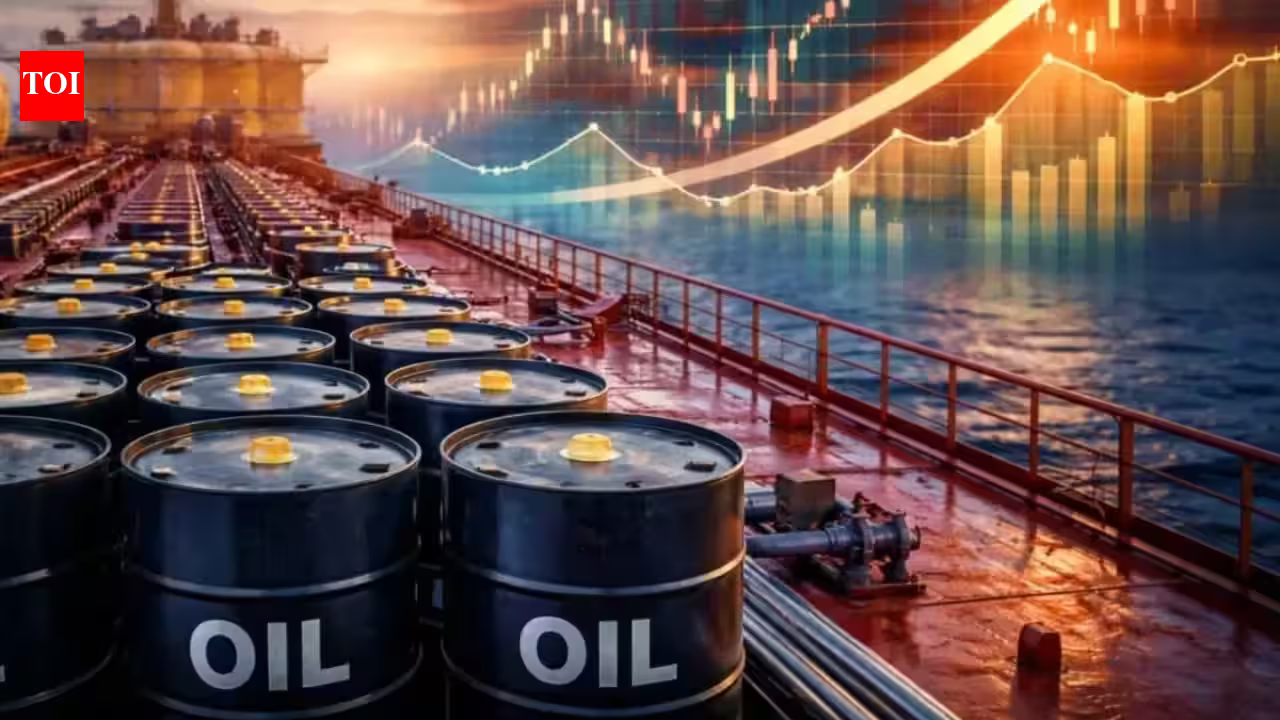
The logistical reality of these fuel shipments involves sophisticated maritime maneuvering designed to obscure the final destination of critical energy supplies. Analysis of port records indicates that between July and August, approximately 176,000 tonnes of fuel, predominantly diesel, were exported from South Korea to Russia’s Far East. Perhaps most notably, several of the tankers involved in these voyages were already subject to sanctions imposed by the United Kingdom and the European Union.
These vessels utilized various deceptive practices to facilitate these transfers. Some tankers declared neutral destinations like Japan or Singapore to port authorities before diverting their course toward Russian ports such as Vladivostok. Others employed ship-to-ship transfers in South Korean waters, an illicit or grey-market technique used to minimize exposure at major port terminals and complicate the paper trail of the cargo. By utilizing anchorages rather than traditional berths, these vessels effectively sidestepped the scrutiny that typically accompanies formal port arrivals. This operational strategy underscores the difficulty of enforcing comprehensive sanctions in an interconnected global maritime industry where ownership structures are often opaque.
Russia’s Growing Dependency on External Fuel Supplies
The motivation for these imports is rooted in the degradation of Russia’s domestic energy infrastructure. Persistent and targeted Ukrainian drone strikes on oil refineries have crippled Russia’s internal production capacity. The International Energy Agency (IEA) has reported that Russian refinery throughput reached a two-decade low, with diesel production falling nearly 30 percent compared to previous annual averages.
As Russia’s “war machine” consumes vast quantities of fuel, the state has been forced to look outward to bridge the supply gap. Data from Kpler and the Centre for Research on Energy and Clean Air (CREA) shows that Russia’s sea-borne imports of oil products skyrocketed in August, reaching their highest levels since the start of the full-scale invasion. In this context, South Korea has become a vital supplier, contributing significantly to the volume of fuel reaching Russia. While India remains a leading supplier of refined products, South Korea’s recent surge confirms that Moscow is casting a wide net to ensure its energy needs are met, leveraging available trade channels regardless of the diplomatic stances of the exporting nations.
South Korea’s Strategic Balancing Act
For South Korea, the decision to facilitate these shipments while maintaining a vocal commitment to Ukrainian reconstruction is a calculated effort to preserve national economic interests. Seoul has provided over $2 billion in humanitarian and non-lethal aid to Kyiv, positioning itself as a Western-aligned partner. Yet, the South Korean government remains wary of completely severing trade ties with Moscow.
This reticence is partially driven by historical trade dependencies and a desire to avoid an absolute rupture in bilateral relations that could jeopardize future energy cooperation or regional stability. Furthermore, South Korean law remains largely focused on restrictive export controls concerning industrial machinery, electronics, and specific strategic items. Because refined fuel does not always fall under the same stringent export bans as dual-use military technology, many of these transactions do not technically violate South Korean domestic regulations. This legal grey area provides a degree of cover for private companies and trading houses looking to capitalize on high market demand in the Far East.
Market Insights and the Indian Business Context
The situation offers critical lessons for the Indian business community, particularly for firms operating in the oil and gas sector. India has been a primary beneficiary of discounted Russian crude oil, which it refines and distributes globally. The South Korean experience suggests that as sanctions tighten and logistics become more complex, the global market is increasingly segmenting into sanctioned and non-sanctioned zones. For Indian companies, this highlights the necessity of rigorous compliance and “Know Your Customer” (KYC) protocols.
The reliance of Russian state-backed entities like Rosneft on these fuel imports demonstrates that demand in a war economy is inelastic; buyers will continue to source energy through whatever channels remain open. Indian policymakers and corporate leaders should note that the international community is closely monitoring “transshipment” hubs. If South Korea—a key US ally—is coming under fire for these indirect fuel links, any Indian entity facilitating similar flows may face increased pressure to ensure transparency in their supply chain. The trend toward increased tracking of tanker movements suggests that “anonymity” in oil trading is becoming an increasingly expensive and risky commodity.
The Future of Global Trade Regulations
Looking ahead, the international community is likely to tighten the net around maritime services, specifically targeting the insurance and financing of tankers carrying Russian energy products. The recent exemption granted by the UK for existing South Korean gas contracts—allowing them to continue until 2027—proves that Western nations are sensitive to the immediate energy needs of their partners, even while trying to choke off Russian revenue streams.
However, the trend is clear: there is a shift toward a more granular, item-by-item enforcement of sanctions. Governments are moving beyond broad prohibitions to monitor specific, high-risk trade routes and vessel-to-vessel transfers. South Korea’s official stance—that it is a “responsible member of the international community” while simultaneously overseeing these fuel outflows—is becoming harder to maintain. As the conflict in Ukraine drags on, the expectation for nations like South Korea and India to choose between their humanitarian commitments and their commercial realities will only intensify. The era of silent, invisible fuel transit is likely coming to an end, as satellite technology and data-driven intelligence make it nearly impossible to hide the movement of energy on the high seas. Ultimately, the stability of global energy markets will depend on whether nations can harmonize their domestic trade laws with the shifting demands of international security policy.
Disclaimer: This content is auto-generated for informational purposes only.
Source: Read Original News