





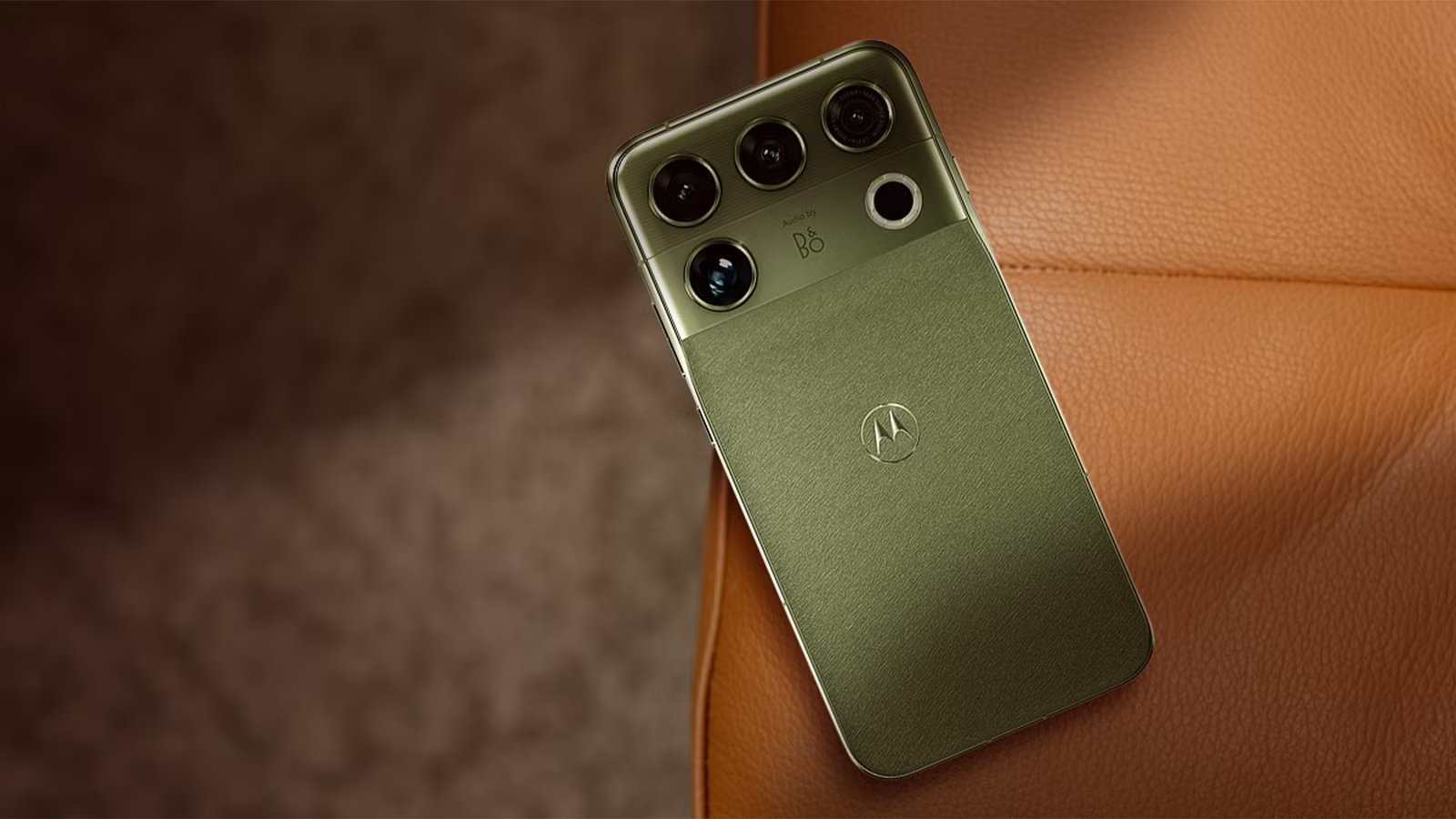
Qualcomm’s newest chip puts the Signature 27 ahead of Tensor
For years, the flagship smartphone market has been a duopoly between Google’s Pixel and Samsung’s Galaxy series. While Google prioritized machine learning capabilities and software integration through its proprietary Tensor chips, it often sacrificed raw processing power. Motorola is poised to disrupt this status quo with the upcoming Signature 27, set for a November 2026 release.
At the heart of the device is the Qualcomm Snapdragon 8 Elite Extreme Gen 6. This 2nm processor features two primary cores clocked at 5.01GHz, providing a significant performance margin over the Tensor G6 found in the Pixel 11 Pro, which tops out at 4.11GHz. According to Qualcomm, this silicon delivers 13% faster CPU performance and a 44% increase in GPU capabilities compared to the Snapdragon 8 Elite Gen 5 used in the current Galaxy S26 Ultra. Beyond raw benchmarks, the chip integrates advanced security protocols that have made the Signature 27 the first non-Pixel device to receive official support from the privacy-focused GrapheneOS. With a commitment to seven years of operating system updates, Motorola is finally matching the longevity promises of its primary competitors.
Motorola went past a standard vapor chamber for cooling
High-performance silicon is only effective if it can sustain its maximum clock speeds without overheating. While most modern flagship devices rely on standard vapor chambers to manage thermal output, Motorola has implemented a more sophisticated approach with its new ArcticMesh system. This cooling architecture utilizes a multi-layered design incorporating diamond-infused thermal gel, liquid metal, and copper mesh, all paired with a 3D vapor chamber that is 40% larger than its predecessor.
This specialized hardware is designed to prevent performance throttling during demanding tasks like high-end gaming, intensive AI processing, and extended 4K video recording. By moving closer to the thermal management strategies typically reserved for dedicated gaming phones, Motorola aims to provide a more consistent user experience. While the physical constraints of a thin chassis remain a challenge for heat dissipation, this proactive engineering indicates a serious effort to maintain peak hardware potential under heavy sustained workloads.
Pixel should pay attention to the camera
The photography stack on the Signature 27 represents a strategic departure from common industry trends. Motorola has opted to place a 200MP sensor on its periscope telephoto lens, complemented by a 50MP Sony LYTIA 910 main sensor. While 200MP periscopes have appeared in the portfolios of other manufacturers, this capability is currently absent from the primary offerings of both Google and Samsung. Using the company’s proprietary Super Zoom Pro, the device leverages generative AI to achieve up to 100x zoom, utilizing the massive pixel count of the sensor to retain detail that would otherwise be lost in smaller sensors.
Perhaps more significant is the Video Enhancement Engine. Unlike Google’s Video Boost, which requires users to stop recording and wait for cloud-based processing via an internet connection, Motorola’s system performs real-time color grading and adjustment. By pairing this processing power with 3.5-degree Optical Image Stabilization (OIS) and Qualcomm’s hardware-level stabilization, the Signature 27 aims to provide professional-grade results immediately. If this real-time processing matches the fidelity of current cloud-based solutions, it could fundamentally change the workflow for mobile videographers.
Qira shows where phone AI is heading
As artificial intelligence becomes the primary differentiator in the smartphone space, Motorola is introducing Qira, a personal AI assistant that marks a significant step forward for the Lenovo ecosystem. Qira is designed to integrate across Motorola phones, Lenovo PCs, and the Moto Watch Ultra. By connecting to services like Gmail, Google Calendar, Outlook, and Slack, the assistant provides a centralized hub for managing tasks and information. Its standout feature, “Catch Me Up,” serves as an automated aggregator that summarizes missed communications and calendar events into a cohesive report.
A core tenet of Qira is local processing. Whenever possible, data is processed on the device itself, with local encryption used for personal information. This focus on privacy is complemented by Smart Connect, which facilitates seamless file sharing and screen mirroring across tablets, TVs, and Windows PCs. While the device still ships with Gemini, Motorola is clearly attempting to build a unified brand ecosystem that functions independently of Google’s current suite of tools, offering a compelling alternative for those who exist within the Lenovo and Motorola hardware sphere.
Pixel and Samsung have a new rival
The arrival of the Signature 27 does not necessarily mean the end of the road for established flagships, but it does challenge the dominance of the current market leaders. By utilizing 2nm silicon, high-resolution periscope zoom, and a local-first AI assistant, Motorola is effectively checking every box that power users have been asking for.
The ultimate success of the device will depend on the final pricing and real-world performance of the software implementation. However, the introduction of a high-performance, privacy-conscious flagship with a heavy focus on long-term support and ecosystem integration suggests that the smartphone landscape in late 2026 will be significantly more competitive than it is today. Users who have long felt confined to the limited scope of the Pixel or Samsung experience may finally have a hardware-forward alternative worth considering.
Disclaimer: This content is auto-generated for informational purposes only.
Source: Read Original News


