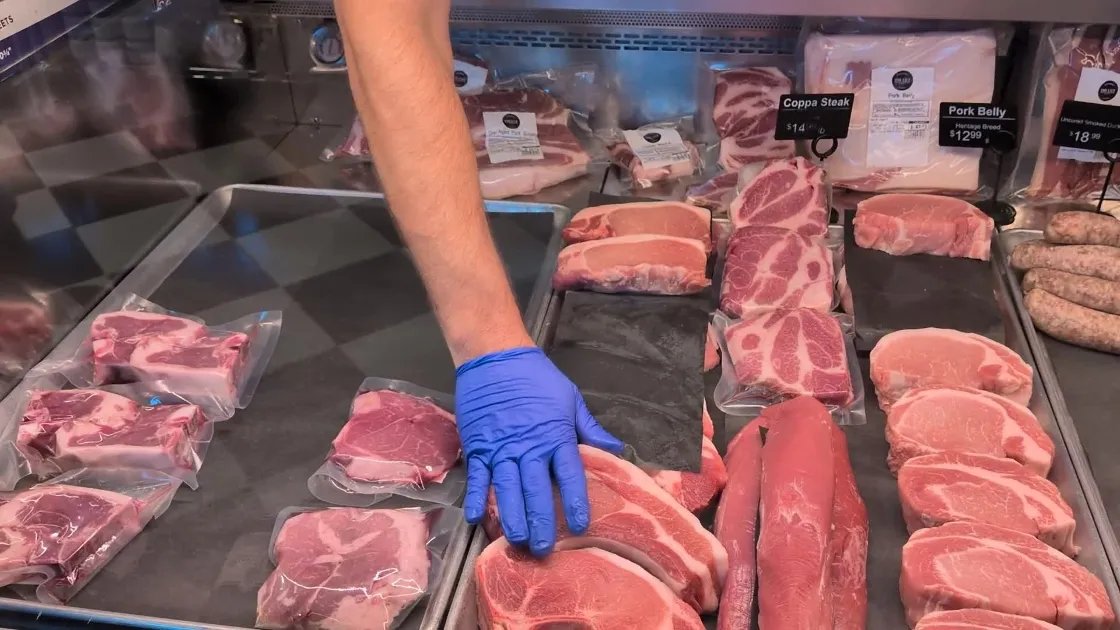









The grocery industry in Alexandria, Virginia, is currently at a critical crossroads, mirroring a nationwide struggle where traditional brick-and-mortar retailers are being forced to integrate aggressive AI-driven technologies to combat the relentless squeeze of inflation. For local business owners, the daily reality is a grueling exercise in balancing overhead costs against the sticker shock faced by their customers. As margins tighten, the industry is looking toward Google’s ecosystem of AI tools and data analytics to provide a lifeline.
## The Digital Pivot: How AI is Reshaping Retail Operations
For independent businesses, the mantra has shifted from simple inventory management to predictive analytics. Retailers are increasingly turning to Google Cloud’s Vertex AI to better forecast supply chain disruptions and adjust pricing models in real-time. By analyzing historical purchasing patterns alongside broader economic markers, these tools help store owners predict which items will face price hikes before they hit the shelves.
However, the technology is more than just a cost-saving measure; it is becoming a survival mechanism. Small business operators are using machine learning models to optimize waste reduction—a significant factor in rising costs. By utilizing data-driven insights to ensure that perishable goods are priced dynamically as they near their expiration dates, store owners are finding ways to keep shelves stocked without passing the full brunt of wholesale inflation onto the consumer.
## Google’s Role in Consumer Price Transparency
While business owners struggle with rising costs, consumers are simultaneously using Google Search and Google Maps to navigate the local retail landscape with unprecedented precision. Google’s recent updates to its local search algorithms are prioritizing real-time inventory and pricing features, allowing shoppers in Alexandria and beyond to compare the cost of essentials before leaving their homes.
This evolution in search behavior is forcing a new level of transparency on the industry. Google’s integration of “Pros and Cons” summaries, generated by the company’s Gemini AI, has begun appearing in retail search results, providing users with synthesized information about store value and stock reliability. For the modern shopper, these AI-enhanced tools act as a financial shield, helping them identify the best deals in an era where every dollar spent at the register feels more impactful than ever.
## Bridging the Gap Between Tech and Tradition
Despite the rapid adoption of high-tech solutions, the human element remains at the heart of the retail experience. The disconnect between algorithmic efficiency and the organic reality of a neighborhood butcher shop or grocery store creates a unique friction. Retailers are now focusing on how to use Google’s suite of business tools—specifically Google Business Profile and local advertising metrics—to maintain a personal connection with their community while leveraging the cold logic of automation.
The challenge moving forward will be ensuring that these technological advancements do not alienate the very customers they aim to serve. As developers at Google continue to roll out updates to their retail-focused AI models, the goal remains to empower local commerce rather than replace it. Whether through simplified payment processing via Google Pay or more sophisticated data visualization dashboards for store owners, the tech giant is clearly positioning its products as the primary framework for surviving the modern economic climate.
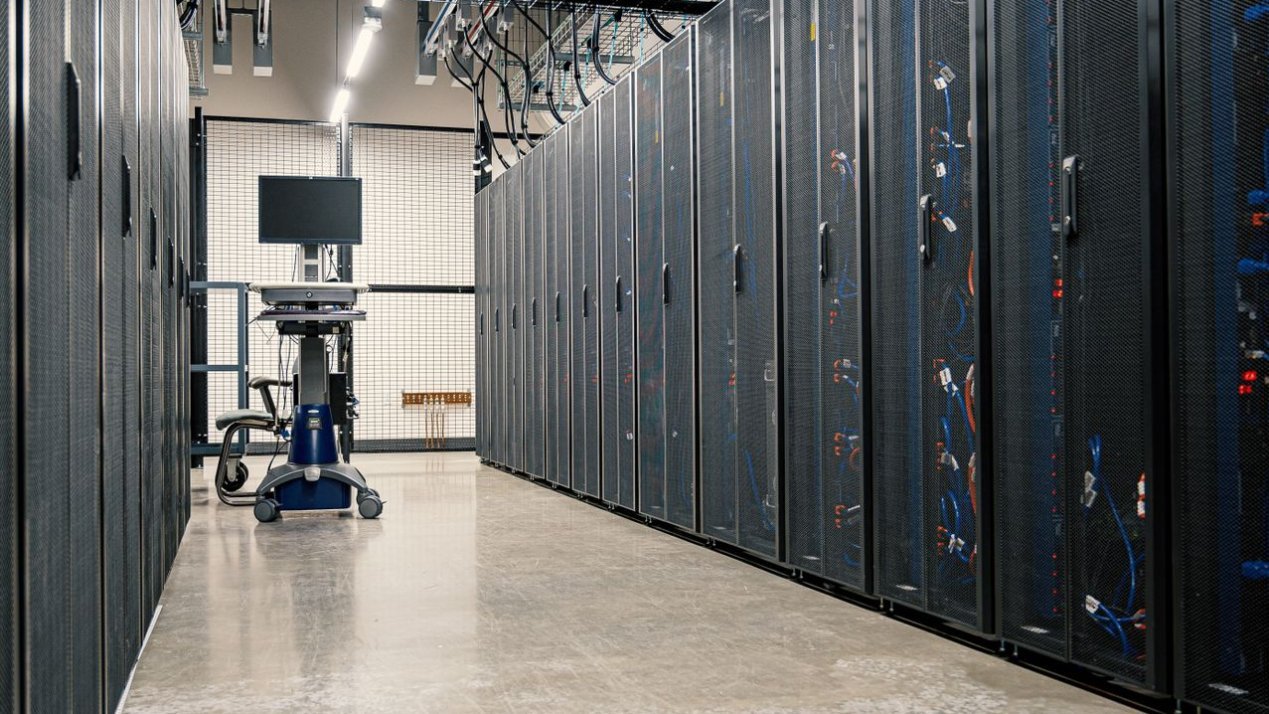
In Alexandria, the sentiment remains cautious but adaptive. As long as grocery bills continue their upward trajectory, the intersection of neighborhood storefronts and Silicon Valley’s data centers will only become more crowded. The industry is betting that by leaning into these complex digital infrastructures, they can stabilize prices, maintain quality, and keep the community’s doors open through the volatility of the current market.
Disclaimer: This content is auto-generated for informational purposes only.
Source: Read Original News