








American businesses are currently navigating a treacherous economic landscape, caught in a “three-way squeeze” of rising interest rates, volatile fuel prices, and the lingering impact of protectionist trade policies. From small, family-owned manufacturers to industrial giants, the pressure to maintain profit margins while managing surging operational costs has become a defining challenge of 2026.
## The Manufacturing Vise
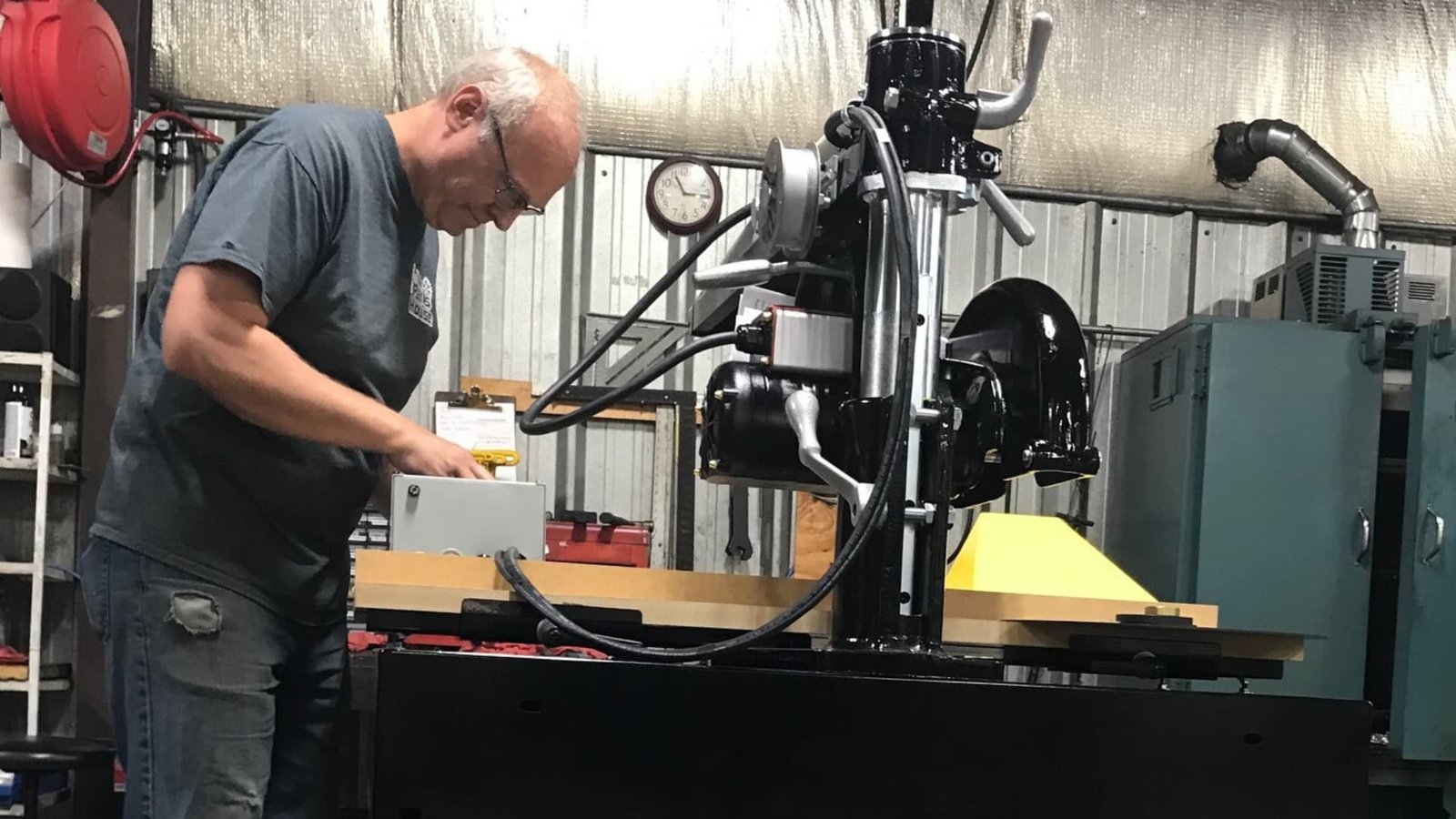
For middle-market firms, the situation is increasingly untenable. Allen Eden, president of Iowa-based Original Saw Co., has been forced to stockpile inventory as the price of raw materials—specifically steel and aluminum—fluctuates wildly. Components that were affordable just months ago have seen their costs double, forcing manufacturers to consider passing these expenses on to their customers.
This environment is particularly difficult for companies tied to the automotive supply chain. With the recent imposition of tariffs complicating global logistics, some suppliers have been forced to cease domestic manufacturing or abandon capital-intensive expansion plans. The strain is so severe that it has already claimed victims; parts suppliers like Grupo Antolin have sought bankruptcy protection, citing a combination of supply chain disruption and the high cost of energy as primary drivers for their insolvency.
## AI and the New Inflationary Drivers
While some sectors are struggling, the broader corporate landscape is being reshaped by the rapid expansion of artificial intelligence. While major tech and financial firms—often characterized by large cash reserves and long-term debt structures—have remained relatively insulated, they are not immune to the indirect effects of the AI boom.
The race to dominate the AI sector has created its own inflationary pressure. Building and maintaining the massive data centers required for generative AI models consumes vast quantities of energy, copper, memory chips, and land. As businesses pivot to incorporate these technologies, the increased competition for these resources is driving up prices across the board. Economists note that while the Federal Reserve, under Chair Kevin Warsh, has hiked interest rates to curb traditional inflation, these monetary policies do little to address the systemic price increases fueled by massive capital investment in the digital infrastructure needed for the next generation of AI products.
## Resilience vs. Economic Fragility
The current economic divide in the United States is largely determined by “pricing power.” Industries like commercial aviation are seeing strong demand despite raising ticket prices by over 23% in the last year, allowing them to offset elevated jet fuel costs. These companies have begun scaling back on less profitable routes, effectively shrinking their footprint to protect their bottom line.
However, many experts warn that this resilience is showing cracks. While profit margins for large corporations remain near record levels, the reliance on high-interest debt to fund operations is becoming a liability. As borrowing costs stay high to combat persistent inflation, even the most successful firms are vulnerable. Gregory Daco, chief economist at EY-Parthenon, cautions that while the economy has held steady thus far, the combination of energy shocks, geopolitical tensions, and the heavy costs associated with the AI transition creates significant pockets of risk. If the Federal Reserve’s attempts to cool the economy go too far, the stability currently enjoyed by market leaders could vanish, potentially triggering a broader contraction. As it stands, corporate leaders are forced to play a precarious game of balancing innovation and growth against the rising cost of simply doing business.
Disclaimer: This content is auto-generated for informational purposes only.
Source: Read Original News