Most of us inherit our sense of what is “normal” to eat long before we think to question it. Our dietary habits are often woven into the fabric of our families, cultures, and daily routines, a routine passed down without much reflection. But what feels normal is often something we’ve simply never been invited to see clearly.
Read more: UK Prisons Are Now Required To Accommodate Vegan ‘Belief-Based Diets’
In the modern food system, the realities of how our food is produced are largely hidden from view, tucked behind packaging and grocery store aisles. We don’t see the scale of the system, or its impact on animals, the environment, and our own health. We simply participate in it because that’s what’s always been done.
And yet, more and more people are beginning to feel that something is off.
Not just in the form of climate change, though the signs are all around us, but in a deeper sense that we are out of alignment with what we value. Most people would never knowingly support unnecessary suffering or environmental destruction. And yet, through the food system we’ve inherited, many of us do, often without realizing it.
That realization can feel overwhelming. By 2050, we will need to feed a global population of nearly 10 billion people, requiring 50 percent more food without expanding the land we use. Faced with a crisis of this scale, it’s easy to believe that our individual choices don’t matter. But they do. In fact, they’re where change begins. I believe our greatest tool against despair is agency. This is not a story of perfection; it is a story of progress.
Change doesn’t have to happen all at once or perfectly. It begins in small moments of curiosity. The current industrial food system is deeply inefficient, requiring 34 calories of feed to produce just one calorie of beef. But we don’t transform a system like that overnight. We do it by narrowing the distance between what we believe and how we live.
Change starts quietly, then grows
Research shows that shifting toward plant-based foods can reduce climate-heating emissions and land use by 75 percent. But the significance of that shift isn’t just in the numbers. It’s in what it represents: a reimagining of what “normal” can be. It is a nature-based solution that doesn’t require a scientific breakthrough; it only requires us to lean into those moments of curiosity.
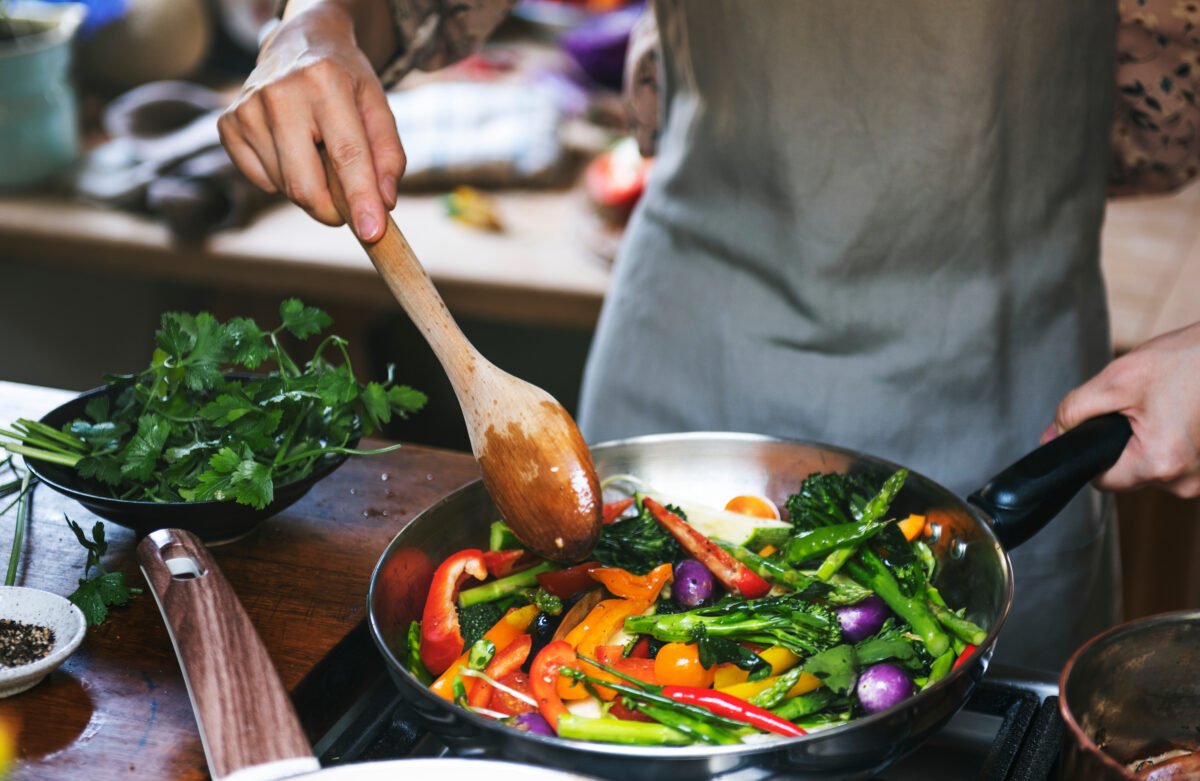
These changes don’t have to be dramatic to be meaningful. Choosing oat milk instead of dairy. Participating in Meatless Monday. Trying a plant-based protein. Small, consistent shifts like these don’t just reflect personal values; they help shape markets, influence norms, and expand what becomes possible for everyone.
We are already seeing that shift take shape. In New York City, public hospitals recently made plant-based meals the “default” option. By simply shifting the norm, they served over two million meals with a 90 percent satisfaction rate and achieved a 36 percent reduction in food-related carbon emissions. This is what happens when curiosity becomes policy. What began as a simple change in default became a measurable step toward a more sustainable system.
That’s how change happens. It starts quietly, at the level of individual choice, and grows until it becomes the new standard. You don’t have to be “perfect” to be part of that change, or to be a hero for the animals or the environment. Progress is about what we build together.
Read more: Global Shift To Plant-Based Diets Could Revolutionize Farming And Reduce Labor
Progress is about doing something, not everything
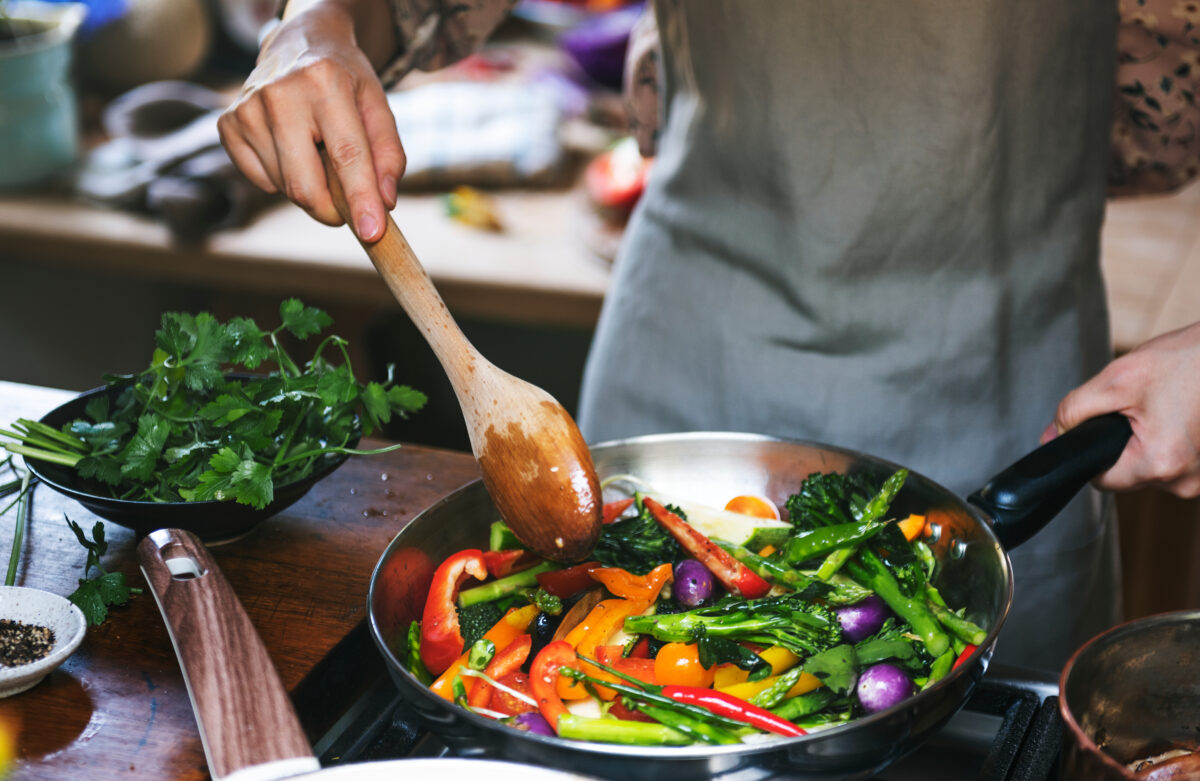
As you head into this Earth Day and month, you don’t need to overhaul your entire life. You just need to begin. Look at your next meal as an opportunity, not an obligation. A small moment where your values and your actions can move a little closer together. Because progress isn’t about doing everything. It’s about doing something, and then doing it again.
And when enough of us do that, what once felt like a small shift becomes something much larger: a food system that reflects not just what is convenient, but what is compassionate, sustainable, and aligned with the future we all want to live in. The environmental and ethical costs of factory farming are high, but the collective power of our small decisions is far higher.
Arash Yomtobian is president and CEO of Mercy For Animals.
Read more: These Are The Best Vegan Cities In The UK