







“Job First, Pakistan Later”: Multan Sultans CEO Issues Scathing Critique of National Cricket Turmoil
The Pakistan Cricket Board’s (PCB) recent, high-stakes overhaul of its Test squad and coaching infrastructure has sent shockwaves through the sporting world. Following a string of demoralizing performances against England, the board’s decision to drop key personnel has drawn intense scrutiny—but perhaps no assessment has been as blistering as the one delivered by Multan Sultans CEO Gohar Shah.
In a candid and comprehensive statement posted to social media, Shah, who has previously played first-class cricket, bared the deep-seated structural and cultural issues he believes are plaguing the nation’s favorite sport.
An Unfiltered Assessment
Shah prefaced his critique by acknowledging the risk to his professional standing, stating, “This may land me in hot water, but I owe an honest assessment to Pakistan cricket. I was a fan before I was a stakeholder.”
His observations, born from his time in the dressing room, the Pakistan Super League (PSL), and his dealings with the PCB leadership, painted a grim picture of modern player professionalism. He pointedly criticized the lifestyle choices of current stars, noting that late nights and poor diet choices have become normalized.
“The word ‘professional’ has to mean something,” Shah wrote. He further questioned the work ethic of the national side, citing instances where bowlers failed to chase down balls during Test matches. “What are you saving your legs for? The Test match ended in 2.5 days,” he added, highlighting a perceived lack of intensity.
Systemic Failures and Bureaucratic Stagnation
Beyond the players, Shah targeted the entire ecosystem of Pakistan cricket. He accused the sports media of driving individual agendas through “leaks and favors,” and expressed frustration with former cricketers who frequently criticize the board on television without pursuing the coaching qualifications necessary to actually solve the problems they lament.
Perhaps most notably, Shah directed sharp criticism toward the PCB, describing the organization as “too bureaucratic.” He argued that a climate of fear has silenced those who might otherwise offer genuine solutions, leading to a culture where employees prioritize their paychecks over systemic reform.
Frustrations with the PSL Model
Shah’s critique also extended to the financial and structural incentives within the Pakistan Super League. He argued that the current 10-year lease model for franchises discourages long-term investment, as owners are essentially “growing a brand” only to hand it back to the PCB.
“Why would you grow if you see none of the benefit? Only the bills,” Shah asked, adding that arbitrary retention rules and category changes often punish owners for their investments in talent development.
A Plea for Excellence
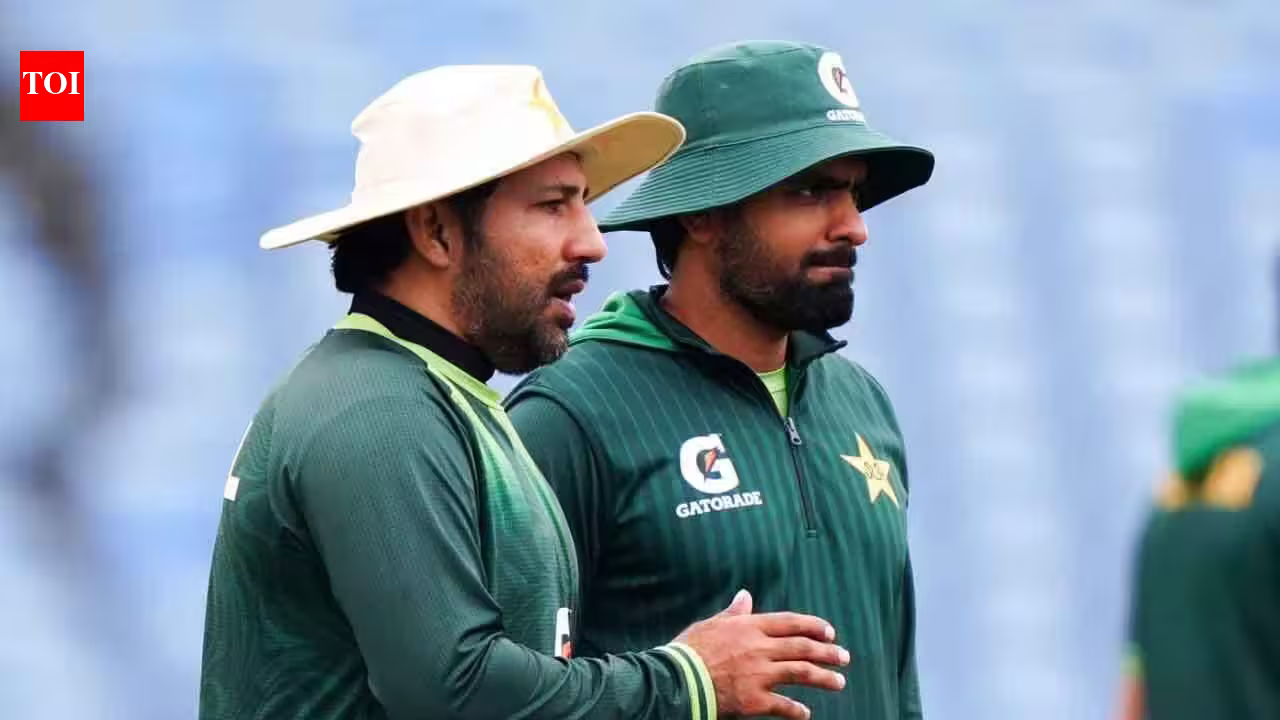
The PCB’s decision to drop stars like Mohammad Rizwan and Imam-ul-Haq, while replacing coaching staff members like Sarfaraz Ahmed and Umar Gul with Mike Hesson and Ashley Noffke, has highlighted a board desperate for results.
Despite his harsh words, Shah concluded his assessment on a note of patriotism, expressing a desire to see the team return to the pinnacle of world cricket. For those closely following the current Pakistan cricket crisis, Shah’s testimony serves as a stark reminder that the challenges facing the team extend far beyond the pitch. As the squad prepares for the remainder of their tour, the debate over whether these sweeping changes will lead to glory or further instability remains an open question.