







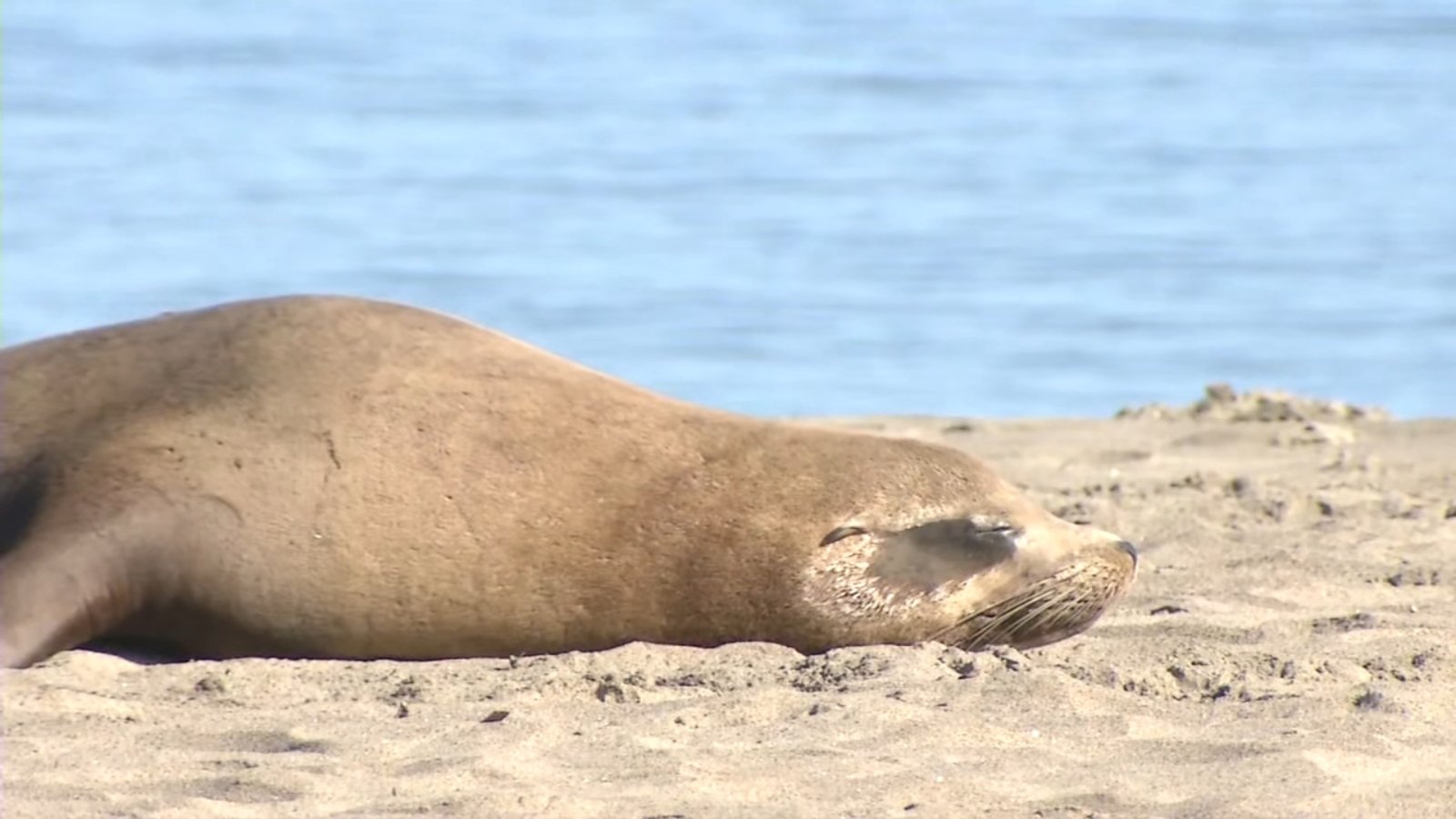
SAN FRANCISCO — A somber scene unfolded on the sands of Crissy Field Beach Monday morning as a sick California sea lion succumbed to what experts believe is a devastating neurotoxin poisoning. The animal, which had been observed by beachgoers suffering from a series of violent seizures, was confirmed dead shortly after rescuers arrived on the scene.
The Marine Mammal Center, which monitors the health of the coast’s marine life, identified the likely cause of death as domoic acid toxicity. Patti Jensen of the Marine Mammal Center explained that the incident is part of a troubling, widespread surge in rescues related to the toxin.
Domoic acid is a naturally occurring neurotoxin produced by specific types of algae. According to Jensen, the current crisis is fueled by a perfect storm of environmental conditions. “The algae is going through a bloom right now due to the warming ocean temperatures,” Jensen said. “The fish are eating the algae, and they are passing it on to the seals and sea lions.”
The toxin acts directly on the brains of marine mammals, often causing the debilitating seizures that beachgoers witnessed on Monday. If the neurological episodes persist, the damage can quickly escalate to impact the animal’s internal organs, leading to a painful decline.
Scientists are currently linking the surge in toxic blooms to the influence of a “super” El Niño, which is driving warmer waters along the California coast. The phenomenon creates an environment where these harmful algae thrive, leading to more frequent and intense outbreaks. While the Marine Mammal Center first diagnosed domoic acid poisoning in 1998—a year that also coincided with a historically strong El Niño—experts warn that the frequency and severity of these events have become increasingly unpredictable in recent decades.
While the sea lion was initially slated for transport to the Marine Mammal Center in Sausalito for observation, the animal’s death has shifted the focus toward scientific research. Instead, researchers from the University of California, Berkeley, will transport the sea lion to conduct a necropsy, which is expected to confirm the presence of the toxin and provide further data on how the bloom is affecting local wildlife.
Authorities are urging the public to remain vigilant and prioritize safety. If beachgoers encounter a distressed marine animal, they are strictly advised to maintain a safe distance and ensure that any accompanying dogs remain on a leash. These animals are often disoriented and dangerous when suffering from neurological distress.
As warming ocean trends continue, the Marine Mammal Center remains on high alert, bracing for a busy season as they work to track the environmental factors pushing these marine populations toward a dangerous tipping point.
Disclaimer: This content is auto-generated for informational purposes only.
Source: Read Original News