








Trade Deal Between India and U.S. Remains Distant as Friction Points Persist
The eagerly anticipated trade agreement between India and the United States appears to be hitting further roadblocks, with Washington’s top trade official pouring cold water on the prospect of an imminent breakthrough. U.S. Trade Representative Jamieson Greer confirmed on Thursday that while bilateral discussions remain active, the two nations have yet to reconcile several major sticking points that continue to stall progress.
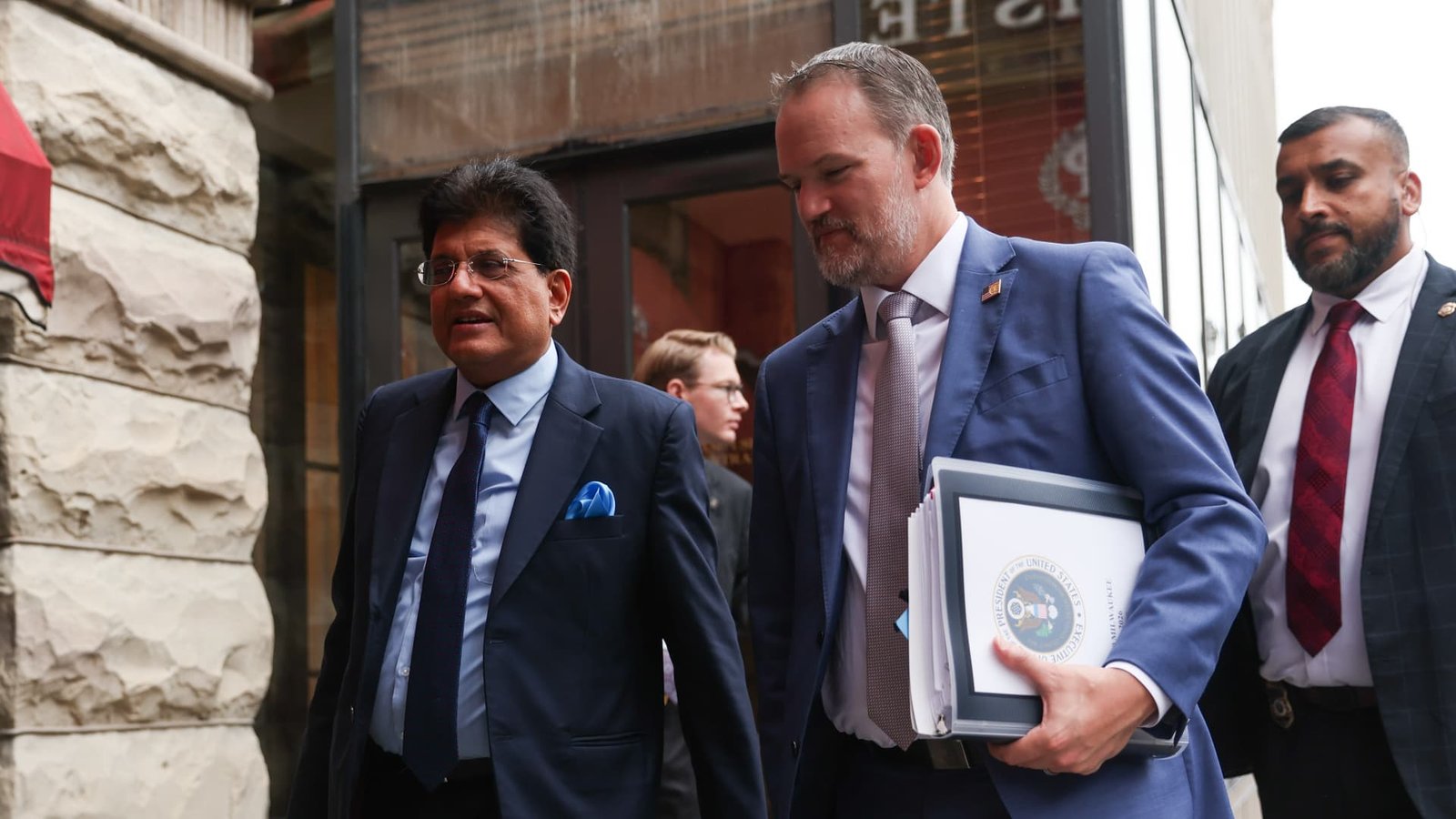
Greer’s remarks follow a flurry of diplomatic activity, including a telephone conversation between Prime Minister Narendra Modi and President Donald Trump, and direct meetings in Milwaukee between Indian Commerce Minister Piyush Goyal and the U.S. trade delegation. Despite the high-level engagement, negotiators seem to be operating at different speeds regarding the feasibility of an interim deal.
Differing Perspectives on Progress
While Minister Goyal has utilized social media to highlight a constructive tone, expressing optimism for an “early conclusion” to a mutually beneficial interim trade pact, the U.S. side remains more cautious. Observers suggest that the disconnect lies in how the two governments measure success.
“Goyal is counting the issues already resolved, and Greer is counting the ones that remain,” noted Ronak D. Desai, a visiting fellow at the Hoover Institution. This fundamental gap highlights the reality that the final hurdles in complex international trade negotiations are often the most difficult to clear.
The Energy and Tariff Conundrum
At the center of the diplomatic friction is India’s continued procurement of Russian oil. The U.S. administration has repeatedly signaled that these purchases are problematic, arguing that such revenue streams indirectly support Moscow’s ongoing military operations in Ukraine. Washington has even floated the threat of significant tariff hikes—reaching up to 100%—should India continue to prioritize Russian energy supplies.
The complexity of the situation is compounded by the global energy market instability caused by the ongoing war in Iran. For New Delhi, the primary directive is maintaining national energy security. While the U.S. and Venezuela have emerged as key suppliers to India’s energy basket this year, Indian officials maintain that the volatility in global supply chains makes it impossible to completely turn away from Russian barrels.
This geopolitical tug-of-war is taking place against a backdrop of existing trade penalties. Indian exports to the U.S. are currently subject to a 10% tariff following a USTR investigation into labor practices, a measure that complicates India’s desire to secure preferential tariff treatment for its competitive exports like generic pharmaceuticals and smartphones.
A Future of Uncertainty
The path forward remains murky. Arpit Chaturvedi, a South Asia advisor at Teneo, warns that both nations may be approaching the structural limits of their current trade relationship. “Neither side at present appears able to accommodate the other, nor are they yet in a position to simply agree to disagree and conclude the deal around those differences,” he observed.
As the G20 trade ministerial concludes, the focus shifts back to the technical teams tasked with bridging these divides. For now, the prospect of a transformative trade deal remains a work in progress, trapped between India’s domestic agricultural and economic mandates and Washington’s broader foreign policy objectives regarding Russia and global trade standards.
Disclaimer: This content is auto-generated for informational purposes only.
Source: Read Original News