






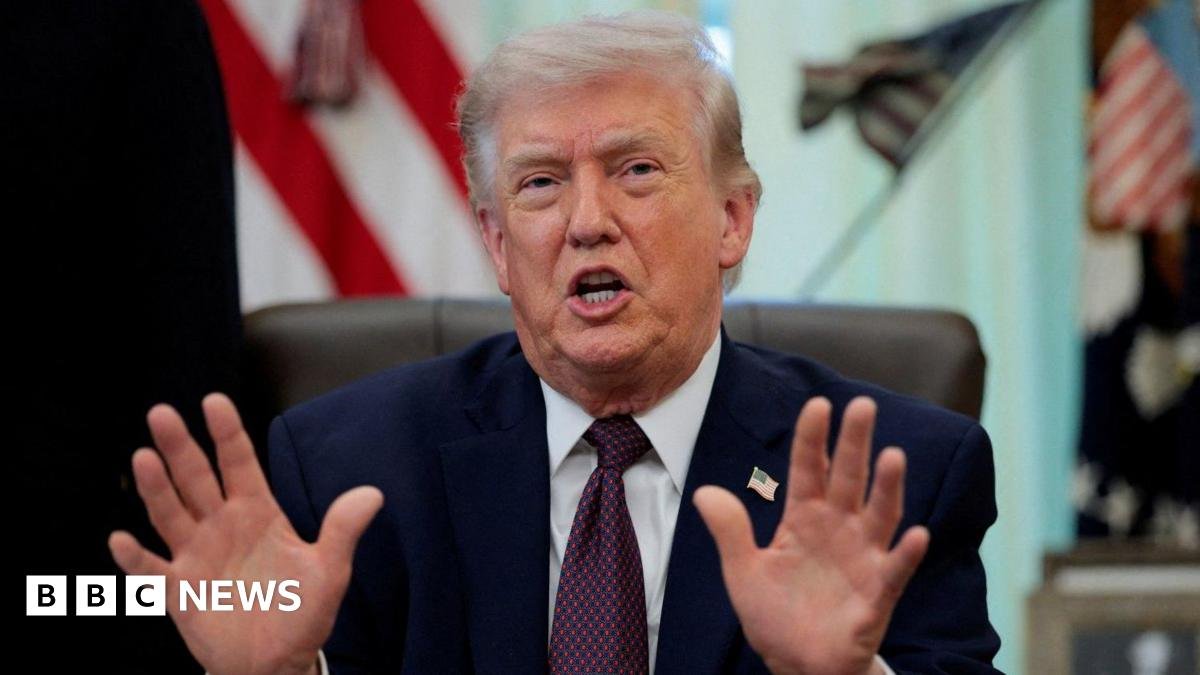
Last week, while flying back from Beijing on Air Force One after his meeting with President Xi, Trump was similarly asked about weapons sales to Taiwan, to which he said he would “make a determination over the next fairly short period”.
“I have to speak to the person that right now is, you know who he is, that’s running Taiwan,” he said.
During Trump’s visit to Beijing, China had made it clear that Taiwan was one of the biggest issues in its relationship with the US, with Xi warning of “conflict” between the two superpowers if handled poorly.
And while Trump dismissed the potential for conflict between the US and China over the island, he said Xi felt “very strongly” about Taiwan. “I made no commitment either way,” he told reporters aboard Air Force One last week.
Since the Trump-Xi meeting, Lai has issued statements saying that the island is a “sovereign, independent democratic country” and that peace in the Taiwan Strait will not be “sacrificed or traded away”.
Lai has also emphasised that US arms sales were a “key factor in maintaining regional peace and stability”.
Taiwan’s foreign ministry said on Thursday that Lai would be “happy” to discuss with Trump issues related to “maintaining the stable status quo in the Taiwan Strait”.
This is not the first time Trump had broken with tradition. In 2016, he spoke to then leader Tsai Ing-wen, when he was president-elect. China later lodged a complaint with the US over the call.
Trump also said he had discussed the arms sales “in great detail” with Xi – another surprising break from US policy if true.
In 1982 the US assured Taiwan that it would not consult Beijing on arms sales to Taiwan. But when asked about that commitment as he flew back from Beijing, Trump said the 1980s was a “long way”.
Last December, the US approved a $11bn (£8.2bn) arms sale to Taiwan – one of the largest ever – which drew ire from Beijing.
Taiwan has under President Lai signficantly ramped up its defence spending to counter growing military pressure from China.
Many Taiwanese consider themselves to be part of a separate nation – though most are in favour of maintaining the status quo in which Taiwan neither declares independence from China nor unites with it.