








Trump Calls for Bipartisan Push to Bring Hollywood Production Back to U.S.
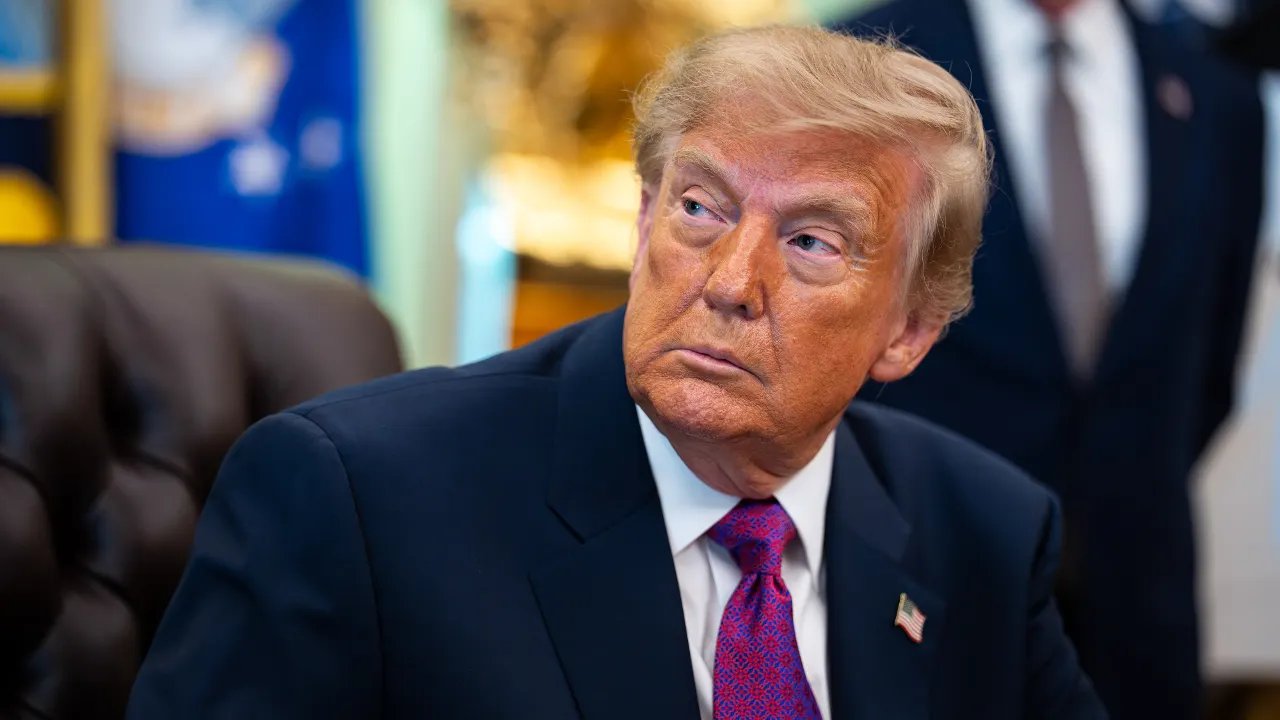
In a rare display of political unity, President Donald Trump has called on Congress to enact a federal tax incentive aimed at repatriating the film and television industry, a move that has drawn immediate support from both Hollywood trade groups and Democratic leadership.
The push, announced by the president on Monday following a meeting with actor and longtime ally Jon Voight, seeks to stem the tide of production work that has increasingly migrated to Canada and other international markets.
“I am going to suggest that Republicans and Democrats get together, and immediately craft legislation to save the movie, television, and entertainment business in America,” Trump wrote on Truth Social. “Congress should approve, immediately, a federal production incentive to create entertainment jobs in America.”
While the administration has yet to release specific details regarding the structure of the incentive, the proposal mirrors efforts led by prominent industry figures. According to reports, supporters are pushing for a 20% federal tax credit specifically targeting U.S. labor costs for qualifying film and television projects—a move they argue is essential to reclaiming America’s status as the global hub of motion picture production.
A Bipartisan Breakthrough
The proposal has found an unlikely champion in Democratic California Sen. Adam Schiff, who signaled his readiness to work across the aisle on the initiative.
“I am in strong agreement with the President,” Schiff posted on X. “Congress should immediately take up and pass a federal film tax incentive to bring back these good-paying jobs that we’ve lost to other countries. Let’s work together — Republicans and Democrats — to get this done, and bring the movie magic back to America.”
The Motion Picture Association (MPA), which represents industry giants including Disney, Netflix, Paramount, and Warner Bros. Discovery, has also formally backed the concept. MPA Chairman and CEO Charles Rivkin described the proposal as a “landmark step” toward strengthening the national economy and creating competitive opportunities for storytellers across all 50 states.
Industry Challenges and Innovation
As Washington debates the legislative path forward, the private sector is also looking for ways to streamline domestic production. Modern technology is playing an increasingly vital role in how studios manage their bottom lines.
Feras Alfuqaha, co-founder and CEO of Shamel Studio, recently highlighted how his company is utilizing artificial intelligence to tackle the high costs associated with film pre-production. By leveraging AI to optimize scheduling and budgeting, studios can reduce the logistical burdens that often drive production crews to seek more cost-effective, but non-domestic, filming locations.
Proponents of the federal incentive argue that combining legislative tax relief with private-sector technological innovation could significantly revitalize the domestic entertainment economy.
While the exact fiscal impact of the tax credit remains to be debated in committee, President Trump maintained that the surge in economic activity would ultimately pay for itself. “What we watch on the silver screen should be made in what was once the movie and motion picture capital of the world,” the president concluded. “Let’s get this done!”