








Air France KLM Martinair Cargo has unveiled a strategic plan to modernize its logistics infrastructure at Paris-Charles de Gaulle Airport (CDG). The company will undertake a significant expansion and automation project at its Perishables Centre, a move designed to bolster its global standing in the transportation of temperature-sensitive goods. By integrating advanced industrial automation, the cargo carrier aims to address the rising global demand for efficient, high-speed logistics solutions.
The Integration of Smart Logistics Technology
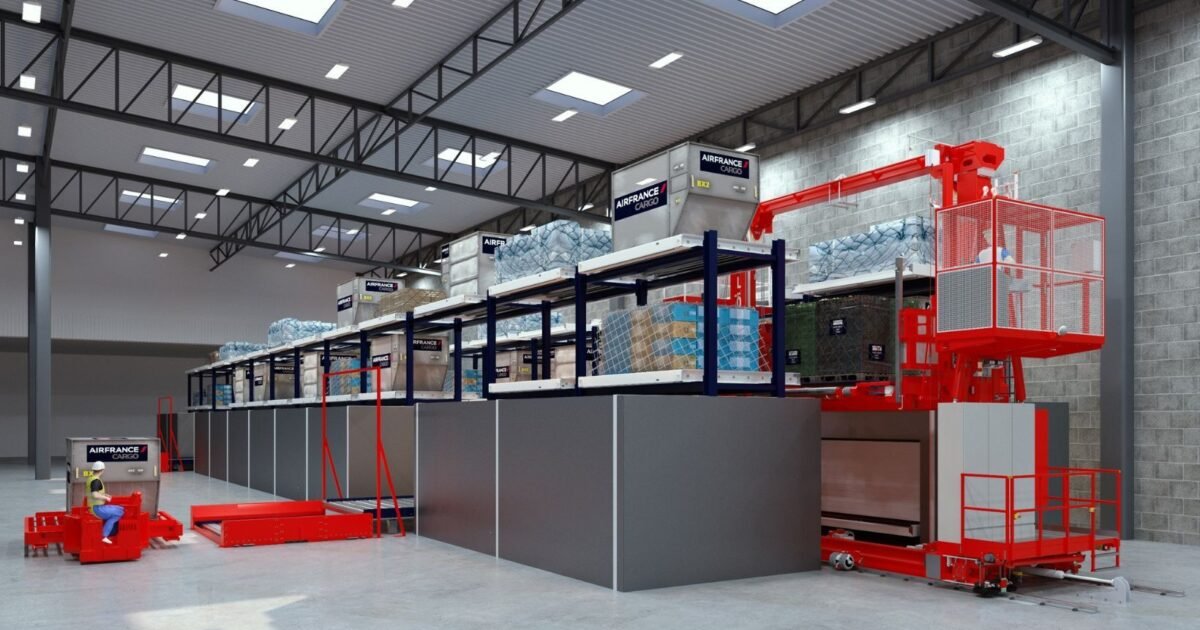
The cornerstone of this facility upgrade is the implementation of an Elevating Transfer Vehicle (ETV) system, engineered by Lödige Industries. As modern logistics increasingly shifts toward autonomous systems, Air France KLM Martinair Cargo is utilizing this technology to maximize the physical footprint of its existing facility. The ETV system facilitates the automated, multilevel storage and retrieval of Unit Load Devices (ULDs) and pallets, effectively transforming the warehouse into a high-density, tech-enabled hub.
In an era where the logistics and supply chain sectors are rapidly adopting AI-driven monitoring and automated material handling, this project highlights the shift toward “smart” warehouses. By reducing the reliance on manual labor for heavy lifting and repetitive storage tasks, the facility will see significantly streamlined internal cargo flows. This automation not only speeds up processing times but also reduces the margin for human error, ensuring that critical shipments remain within controlled environments for the shortest duration possible.
Optimizing the Cold Chain through Automation
Temperature-sensitive shipments—ranging from pharmaceuticals to fresh perishables—require rigid environmental standards. The new infrastructure at CDG is specifically designed to meet these stringent requirements. The installation includes a 10-foot-wide edge ETV that serves 58 specialized storage decks. Critically, 17 of these decks are situated directly within climate-controlled zones, ensuring that the automation system functions seamlessly within the cold chain.
The implementation of the Lödige Industries system demonstrates how industrial tech is being leveraged to solve the “space versus capacity” dilemma at major international airports. By utilizing vertical space through automated racking, the company can handle higher throughput without requiring a sprawling land expansion. Björn Ussat, director of airport logistic solutions at Lödige Industries, noted that this project serves as a blueprint for how automation can support the complex handling demands of the modern cold chain, providing a reliable foundation for future scalable growth.
Future-Proofing Global Cargo Operations
While the project is focused on physical hardware, it fits into the broader evolution of the aviation industry, which is increasingly reliant on data-driven logistics software to track cargo from origin to destination. As Air France KLM Martinair Cargo looks toward the target completion date of September 2027, the facility is being built with scalability in mind.
This investment is more than a simple equipment upgrade; it represents a long-term commitment to digital transformation within the cargo sector. By creating a modular, automated environment, the company is preparing for an future where AI and predictive analytics will likely play an even larger role in managing cargo flows. As volumes continue to grow, the ability to automate the storage and retrieval processes will provide the carrier with a competitive advantage, ensuring that Paris-Charles de Gaulle remains a critical node in the global logistics network.
For partners and clients, this modernization ensures greater reliability for sensitive goods, minimizing the risk of temperature excursions during the handling process. As the industry moves toward 2027, the focus at CDG will remain on refining these automated workflows, setting a new standard for how major carriers manage the delicate balance between high-volume logistics and precise environmental controls.
Disclaimer: This content is auto-generated for informational purposes only.
Source: Read Original News