





Madras High Court Orders Demolition of 87 Illegal Resorts in Sathyamangalam Tiger Reserve
In a landmark decision aimed at restoring ecological sanctity to one of India’s most vital wilderness zones, the Madras High Court has mandated the immediate demolition of 87 unauthorized commercial resorts located within the Sathyamangalam Tiger Reserve (STR) in Tamil Nadu’s Erode district. The ruling marks a significant victory for conservationists who have long argued that the unchecked proliferation of commercial infrastructure is strangling the movement of wildlife in the sensitive Nilgiri landscape.
Restoring the Elephant Corridor
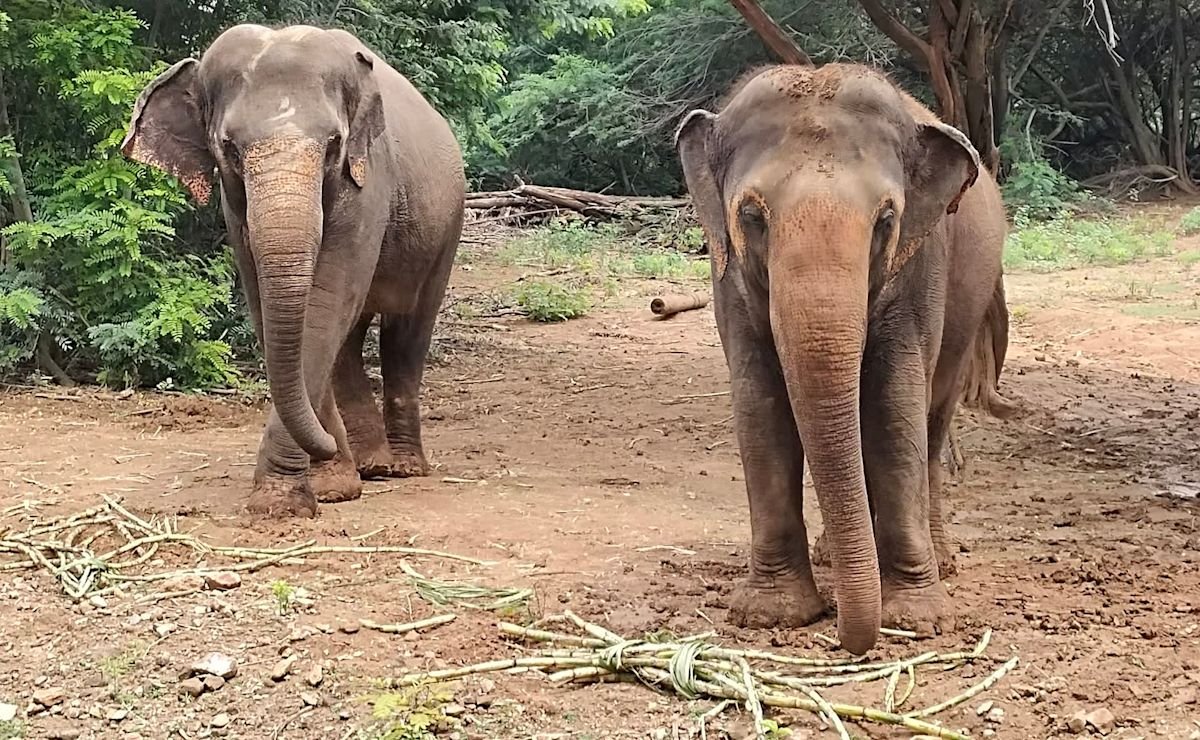
The core of the legal dispute centered on the fact that these structures were erected directly across an established elephant migratory passage. By encroaching upon these pathways, the resorts created physical and psychological barriers, forcing elephants into smaller, fragmented pockets of forest. This displacement is a primary driver of human-wildlife conflict, as herds are pushed toward human settlements in their search for food and water.
Environmental experts and conservationists have lauded the High Court’s intervention, noting that the clearing of these encroachments is essential to maintaining a biological bridge between the Western and Eastern Ghats. By reclaiming this land, the state hopes to provide elephants and other wildlife with the space required to navigate their natural ranges safely.
Violations and Accountability
A division bench of the Madras High Court reached its decision after reviewing public interest petitions and findings from administrative site inspections. The court’s investigation revealed a pattern of gross negligence and illegal activity, including unauthorized nighttime tourism operations, lack of environmental impact assessments, and clear breaches of the Tamil Nadu Forest Act.
The court did not limit its ruling to the demolition of the structures. It issued strict directives to state authorities to immediately disconnect all electricity and water supplies to the 87 identified properties. Furthermore, the bench took a stern stance against the administrative failures that allowed these illegal resorts to flourish in a protected area. The court has ordered the state to identify and penalize the officials who enabled these unauthorized layouts, signaling a shift toward greater institutional accountability regarding environmental protections.
A Broader Trend in Conservation
The Madras High Court’s ruling is part of an increasing judicial focus across India on preserving critical wildlife habitats. As commercial interests push against the boundaries of protected forests, courts are becoming the last line of defense for threatened species.
This decision in Erode aligns with similar efforts nationally, where legal systems are being asked to intervene in cases of land encroachment and habitat destruction. Whether it is protecting the habitat of the yellow-billed cuckoo in the United States or preserving forest corridors in India, the trend reflects a growing recognition that human-centric economic activities cannot be permitted to override the fundamental needs of endangered wildlife.
As the demolition process commences, the restoration of the Sathyamangalam Tiger Reserve serves as a powerful reminder that protected areas must remain free from commercial exploitation. The move is expected to provide much-needed breathing room for the reserve’s elephant population, ensuring that these iconic animals can move freely through their ancestral lands without the threat of human disturbance.
Disclaimer: This content is auto-generated for informational purposes only.
Source: Read Original News