








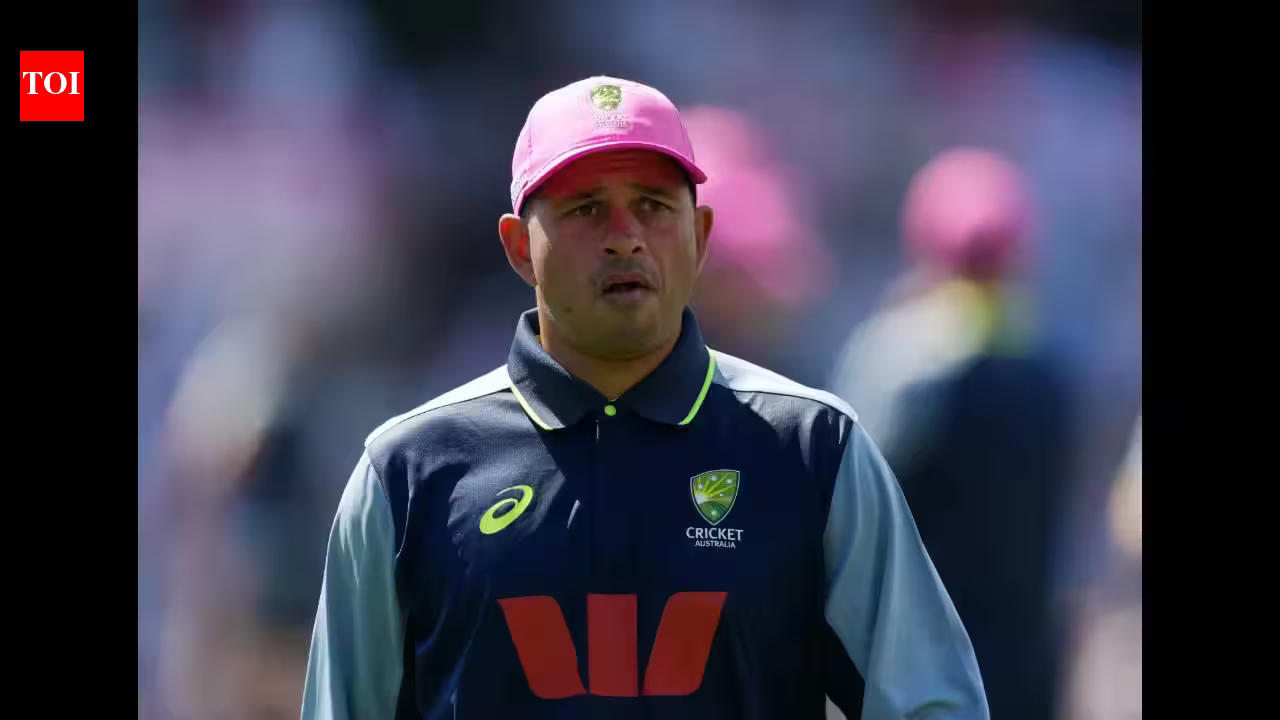
SYDNEY — The image of Usman Khawaja gracefully gliding across the turf, his elegant cover drive leaving bowlers and spectators alike in awe, is etched into the collective memory of Australian cricket. Yet, for nearly two decades, the man behind the bat was engaged in a grueling, silent battle against his own body. In a startling revelation that has sent ripples through the sporting world, the former Australian Test opener has disclosed that he competed throughout his entire professional career while managing rheumatoid arthritis, a chronic autoimmune condition that once left him questioning if he would ever walk properly again.
Khawaja, now 39, peeled back the curtain on his hidden struggle during a candid interview on the ABC, detailing a diagnosis he received in 2009 at the tender age of 22. At the time, the world was his oyster, with a burgeoning career at New South Wales pointing toward international stardom. However, the trajectory of his life shifted violently when a debilitating pain took hold of his left knee.
A Career-Defining Diagnosis
Recounting the darkest period of his life, Khawaja’s description of his physical state at 22 is sobering. The transition from an elite, high-performing athlete to a man struggling to navigate simple, everyday movements was swift and terrifying.
“I genuinely thought I was going to die,” Khawaja admitted. The severity of the arthritis had rendered him immobile, unable to even traverse ten meters without immense, agonizing effort. For a young man whose identity was built on athleticism and movement, the diagnosis was not merely a medical hurdle—it was an existential threat.
While medical staff and high-level cricket officials were briefed on his condition, Khawaja made a deliberate choice to keep his teammates in the dark. Throughout his time in the Baggy Green, titans of the game like David Warner and Michael Hussey—men who stood beside him in the middle for hundreds of hours—remained entirely unaware that their partner was relying on a strictly managed regime of medication and recurring injections to compete.
The Heavy Burden of Silence
The decision to shroud his health in secrecy was driven by a pragmatic, if unfortunate, fear of professional vulnerability. In the hyper-competitive environment of international cricket, where a player’s spot is always under scrutiny, Khawaja worried that any admission of fragility would be weaponized. He feared that being labeled “injured” or “chronic” would lead to him being viewed differently by selectors, coaches, and perhaps even his peers.
“I didn’t want people treating me differently,” he explained. This intense desire for normalcy forced him into a compartmentalized existence: the grueling, hidden reality of managing a chronic disease off the pitch, and the composed, focused athlete he presented to the world on it.
His recovery, facilitated by medical advancements, allowed him to return to the field just six months after his initial diagnosis. He is quick to acknowledge that his sporting career—and indeed, his mobility—was entirely contingent on the medical support he received. “Without that drug, I would never have played cricket ever again or even lived a normal life again,” he stated, emphasizing the gravity of the pharmaceutical intervention that bridged the gap between his condition and the international stage.
An Unimpeachable Legacy
Despite the pain that often accompanied his preparation, Khawaja’s resilience led to a storied career. Following his Test debut against England in 2011, he navigated the inevitable highs and lows of the sport, including multiple omissions and triumphant returns. Perhaps his most iconic moment came during the 2021-22 Ashes series, where he famously scored centuries in both innings of the Sydney Test, a performance that solidified his status as one of Australia’s most gifted technical batters.
By the time he hung up his boots in January 2026, following a final appearance in the fifth Ashes Test at the Sydney Cricket Ground, Khawaja had accumulated 6,229 Test runs and 16 centuries across 88 matches. His record speaks for itself, but it is now viewed through a vastly different lens: one of immense fortitude and hidden triumph.
A Message of Hope
Now retired, Khawaja is moving into a new phase of his life, one that includes the upcoming release of his autobiography, titled Sabr. The book promises to offer a deeper dive into the intersections of his faith, his identity, and the private health battle that framed his public successes.
By choosing to go public now, Khawaja isn’t looking for pity. Instead, he is aiming to provide a beacon of hope for those facing similar autoimmune challenges. He wants his journey to serve as evidence that a chronic diagnosis does not have to be an absolute barrier to one’s dreams.
“If a person can play at the top level as a professional cricketer with rheumatoid arthritis, then I think a lot of other people can achieve a lot, too,” Khawaja concluded. His message is clear: whether in the high-pressure cauldron of international cricket or the everyday challenges faced by those living with chronic pain, the human capacity to persevere remains one of our most potent tools. Usman Khawaja may have finished his time in the whites, but his final act as a champion—offering courage to others—may prove to be his most enduring contribution to the game.
Disclaimer: This content is auto-generated for informational purposes only.
Source: Read Original News